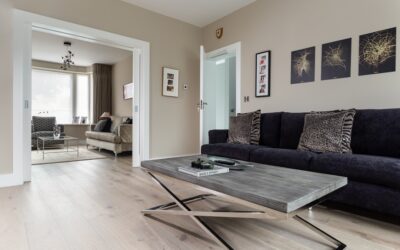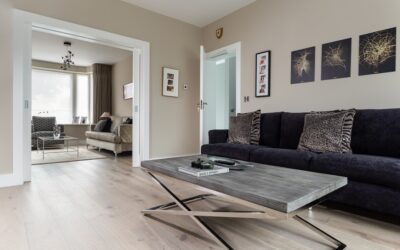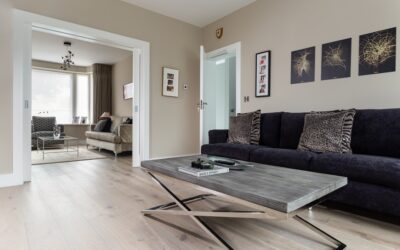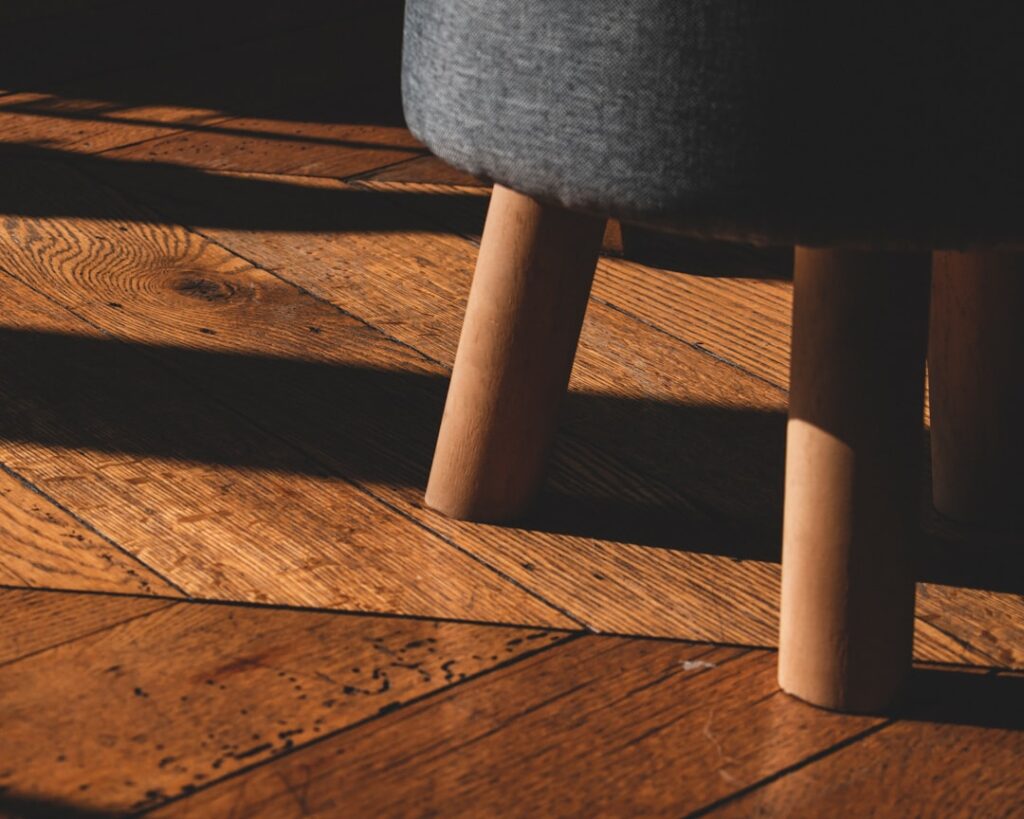
When homeowners ask me for the sturdiest laminate that still fits a residential budget, I point them toward 12mm ac3 grade laminate flooring. It pairs the thickest common laminate board with a wear rating built for busy households, which is why it has become the default spec for living rooms, hallways, and family kitchens. Understanding what the 12mm dimension and the AC3 designation actually deliver keeps you from overpaying for commercial-grade product you don’t need, or underbuying a thin plank that telegraphs every subfloor flaw.
What 12mm and AC3 Actually Mean
Laminate thickness runs from a flimsy 6mm up to a beefy 12mm, and that number measures the entire board including the HDF core and the click-lock profile. At 12mm you are getting the thickest mainstream option; anything advertised thicker is usually a rounding trick that counts an attached pad. The extra millimeters matter because the HDF (high-density fiberboard) core is what resists flex, deadens hollow footstep sound, and holds the tongue-and-groove locking joint tight over years of seasonal movement.
AC stands for Abrasion Class, a European EN 13329 standard that runs from AC1 to AC5. AC3 sits in the middle: rated for heavy residential and light or moderate commercial traffic. In plain terms, that covers a full family home plus something like a home office or a small boutique that doesn’t see hundreds of visitors a day. AC3 laminate survives dropped toys, dog nails, and rolling desk chairs without the wear layer clouding or scratching through, which is the failure mode you see on cheap AC1 and AC2 boards within a couple of years.
The Real Advantages of Going 12mm
Underfoot feel is the first thing clients notice. A 12mm plank walks more like engineered hardwood than the tinny, plasticky sensation of an 8mm floor. That rigidity also means the plank bridges minor subfloor imperfections better, so you can sometimes skip an extra round of floor leveling that a thinner product would demand. Over a 300 sq ft room, that can save a half day of labor and a couple bags of leveling compound.
Sound is the second win. The dense core dampens the click-clack that makes budget laminate sound cheap, and when you add a quality 3mm foam or cork underlayment, you get a floor that reads as solid rather than floating. The thicker board also carries deeper, more realistic embossing. Manufacturers can press a heavier surface texture into a 12mm plank, so the wood grain lines up with the printed pattern, a feature marketed as EIR (embossed in register) that genuinely fools people at eye level.
Where AC3 Falls Short
Every product has a ceiling, and AC3 has two. First, it is not the right pick for genuine high-traffic commercial floors. A busy retail entrance, a restaurant, or a rental with constant tenant turnover should step up to AC4 or AC5, where the melamine wear layer is denser and the warranty reflects it. Installing AC3 in those settings voids most commercial warranties and shortens the floor’s life to a handful of years.
Second, laminate of any thickness is only water-resistant, not waterproof, unless the manufacturer specifically builds a waterproof core and states it in writing. Standard 12mm AC3 uses an HDF core that swells if standing water reaches the seams. I steer clients away from it in full bathrooms and laundry rooms with floor drains, and I always caulk the perimeter in kitchens. If waterproofing is non-negotiable, luxury vinyl plank is the smarter material even though it feels less substantial underfoot.
What It Costs and Where the Money Goes
Expect to pay roughly $1.80 to $4.00 per sq ft for the planks themselves. Entry-level 12mm AC3 from a warehouse retailer lands near $2 per sq ft, while designer collections with EIR texture, beveled edges, and attached pad push toward $4. Underlayment adds $0.30 to $0.60 per sq ft unless it’s pre-attached. Professional installation typically runs $2 to $5 per sq ft depending on your region and how much subfloor prep and trim work the job requires.
For a 500 sq ft great room, a realistic all-in number is $2,500 to $4,000 installed. That is meaningfully cheaper than engineered hardwood at $8 to $15 per sq ft installed, which is the whole appeal. Buy 7 to 10 percent extra material for cutting waste and future repairs, and confirm the dye lot matches across every box before the installer opens more than one.
Underlayment, Subfloor, and Acclimation
A 12mm floor is only as good as what sits beneath it. The subfloor must be flat within 3/16 inch over a 10 ft span; anything worse and the click joints will separate or peak over time. On concrete, always run a 6-mil poly moisture barrier or use an underlayment with an integrated vapor film, because concrete wicks moisture that will destroy an HDF core from below.
Acclimation is the step most DIYers skip and later regret. Leave the boxed planks flat in the installation room for 48 hours, ideally at 60 to 80°F and 30 to 50 percent relative humidity, so the boards reach equilibrium before they lock together. Laminate is a floating floor, so it needs a 1/4 to 3/8 inch expansion gap at every wall and vertical obstruction, hidden later by baseboard or quarter-round. Trap that gap and a summer humidity spike will buckle the field.
How the Locking System and Bevels Affect the Look
Most modern 12mm boards use an angle-tap or fold-down click system that assembles without glue. The heavier core makes these joints snap together with a satisfying, positive engagement, and they hold their line better than thin planks that can drift during install. If you have never installed a floating floor, 12mm is actually more forgiving to work with because the planks are stiff enough to stay straight while you tap the next row home.
Edge treatment changes the whole aesthetic. Painted micro-bevels on all four sides define each plank and hide tiny height differences at the seams, which is what you want over a slightly imperfect subfloor. Square-edge boards read more like a continuous sheet and look sleeker, but they demand a flatter substrate. For most homes I recommend a four-sided bevel; it photographs like real wood and forgives the small stuff.
Maintenance and Everyday Care
One of the quiet advantages of this floor is how little it asks of you. Dry sweeping or vacuuming with a hard-floor setting handles daily grit, which is the main enemy of any laminate wear layer since fine sand acts like sandpaper underfoot. For deeper cleaning, use a well-wrung microfiber mop with a laminate-specific cleaner or a splash of vinegar in water; never flood the floor or use a steam mop, because forced moisture and heat drive water into the seams and delaminate the plank from the top down.
Furniture is the other consideration. Felt pads under chair and table legs prevent the fine scratches that even an AC3 wear layer eventually shows, and wide caster cups protect against heavy rolling loads. Place walk-off mats at exterior doors to catch grit before it reaches the field, and wipe spills promptly rather than letting liquid sit at a seam. Handled this way, a quality 12mm AC3 floor holds its finish for well over a decade with almost no specialized upkeep and no periodic refinishing.
Who Should Buy It and Who Shouldn’t
Buy 12mm AC3 if you want the most convincing wood look and the most solid feel available in laminate, you have kids or pets, and your rooms stay reasonably dry. It is the sweet spot for the money in bedrooms, living rooms, dining rooms, and hallways, and it will comfortably outlast a decade of normal family use with nothing more than dry sweeping and the occasional damp mop.
Skip it if the space floods, mops constantly, or runs commercial traffic. In wet zones choose a waterproof rigid-core vinyl; in high-abrasion commercial settings choose AC4 or AC5. But for the ordinary American home that wants hardwood looks without hardwood prices or maintenance, a quality 12mm ac3 grade laminate flooring is one of the best value decisions you can make, and it remains my go-to recommendation for cost-conscious renovations.
Prefer to explore on your own?
See how new flooring looks in your actual room in seconds — free, no signup.
Try the free Floor Studio →