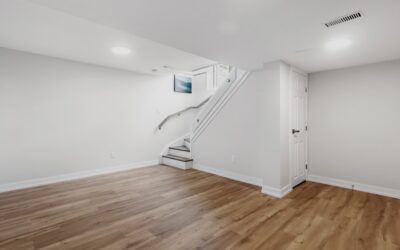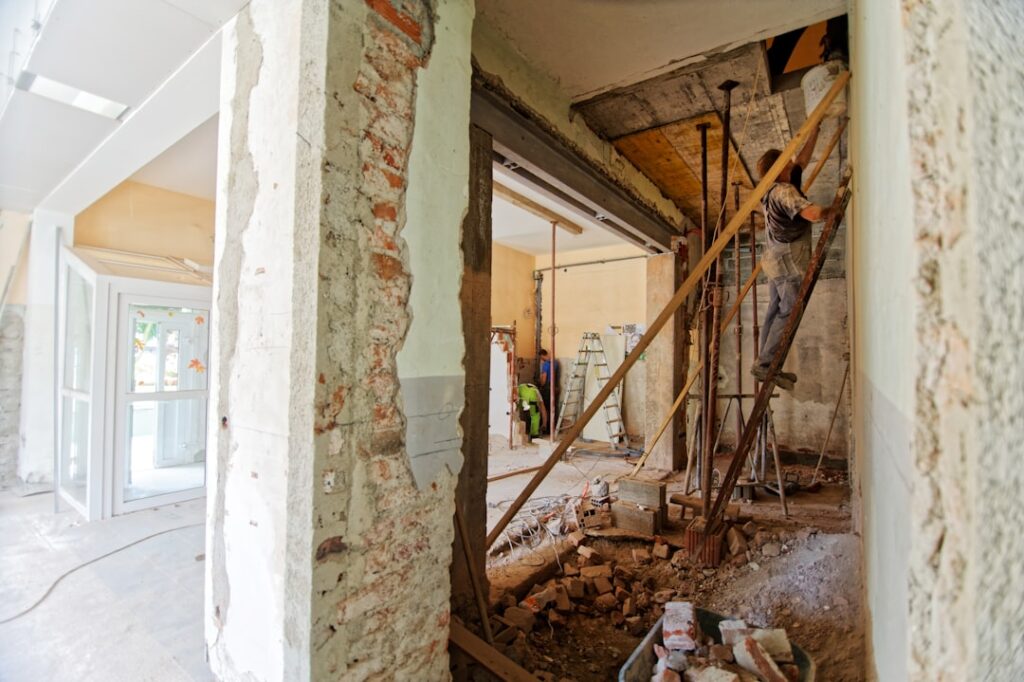
The 12×12 kitchen remodel cost typically falls between roughly 15,000 and 45,000 dollars in the US market, with budget refreshes starting lower and high-end renovations climbing well past that range. A 12-by-12 kitchen, about 144 square feet, is one of the most common layouts in American homes, which makes it a useful benchmark for planning. At D and G Flooring, we help homeowners understand where remodeling dollars actually go so you can build a realistic budget and avoid the surprises that derail so many projects.
Average Cost Ranges by Tier
Remodel pricing varies enormously based on material quality and how much you change. Here are the general tiers for a 144-square-foot kitchen:
- Budget / minor remodel: roughly 8,000 to 20,000 dollars. Cosmetic updates like new countertops, refreshed or refaced cabinets, new flooring, paint, and updated fixtures.
- Mid-range remodel: roughly 20,000 to 35,000 dollars. New semi-custom cabinets, quality countertops, new appliances, flooring, and updated lighting.
- High-end remodel: roughly 35,000 to 60,000 dollars or more. Custom cabinetry, premium stone counters, high-end appliances, layout changes, and structural work.
Most homeowners doing a meaningful but not luxury renovation land somewhere in the mid-range tier.
Where the Money Goes
Understanding the breakdown helps you prioritize. In a typical kitchen remodel, costs distribute roughly like this:
- Cabinets: often 25 to 35 percent of the budget, the single largest line item.
- Labor and installation: commonly 15 to 25 percent, covering demolition, installation, and trades.
- Countertops: roughly 10 to 15 percent depending on material.
- Appliances: roughly 10 to 15 percent.
- Flooring: roughly 7 to 12 percent.
- Lighting, fixtures, plumbing, and electrical: the remainder, plus paint and finishing.
Because cabinets and labor dominate, decisions about cabinetry have the biggest single impact on your total.
Cabinets: The Biggest Variable
Cabinets drive the budget more than any other choice. Stock cabinets are the most affordable, semi-custom offer more sizes and finishes at a moderate premium, and fully custom cabinetry is the most expensive. For a 12×12 kitchen, you might budget anywhere from 4,000 dollars for stock cabinets to 15,000 dollars or more for custom. A money-saving alternative is refacing, replacing only the doors and drawer fronts while keeping the existing boxes, which can cost a fraction of full replacement and works well when the cabinet structure is sound. Painting existing cabinets is the cheapest refresh of all.
Countertop Options and Costs
Countertops offer a wide spread. Laminate is the most budget-friendly, butcher block and quartz sit in the middle, and natural stone like granite or marble runs higher, with premium quartz and exotic stone at the top. For a 12×12 kitchen with roughly 30 to 40 square feet of counter, material and installation might range from about 1,500 dollars for laminate to 5,000 dollars or more for premium stone. Quartz has become the popular mid-to-high choice for its durability and low maintenance, while laminate has improved dramatically and remains the best value for budget remodels.
Flooring Costs and Choices
For 144 square feet, flooring is a manageable line item, and the material you pick balances cost, durability, and looks. Luxury vinyl plank and laminate are popular for kitchens because they resist moisture, scratches, and spills while delivering a convincing wood or tile look, typically at a moderate per-square-foot price. Tile is durable and water-resistant but costs more to install. Hardwood is beautiful but pricier and less forgiving of kitchen spills. For most 12×12 kitchens, flooring material and installation land in the low thousands, making it one of the more controllable parts of the budget.
Appliances and Fixtures
Appliance spending depends entirely on the tier you choose. A basic suite of range, refrigerator, dishwasher, and microwave can be assembled affordably, while professional-grade and smart appliances climb quickly. Plan realistically for what you actually need, since premium appliances can add many thousands without changing daily function much. Fixtures such as the sink, faucet, cabinet hardware, and lighting are smaller individually but add up, and they are an easy place to either save with simple choices or splurge for a high-end feel.
What Increases the Cost
Several factors push a remodel toward the upper ranges:
- Moving plumbing or gas lines: relocating a sink, stove, or adding a island with utilities is labor-intensive.
- Electrical upgrades: adding circuits, recessed lighting, or updating an old panel.
- Layout or structural changes: removing a wall, especially a load-bearing one, requires engineering and adds significant cost.
- Custom cabinetry and premium stone: the biggest material-driven increases.
- Permits and unexpected repairs: older homes often reveal hidden issues like outdated wiring or water damage.
How to Save Money
You can control costs without sacrificing a quality result. Keep the existing layout to avoid moving plumbing and electrical, which is one of the largest savings. Reface or paint cabinets instead of replacing them when the boxes are solid. Choose durable mid-range materials like quartz and luxury vinyl plank that look high-end without the premium price. Tackle simple tasks like painting and demolition yourself if you are able. Get at least three detailed contractor quotes and confirm what each includes. And build in a contingency of 10 to 20 percent, because surprises behind the walls are common in remodels.
DIY vs Hiring a Contractor
How much work you take on yourself dramatically affects the total cost of a 12×12 remodel. Labor often accounts for 15 to 25 percent of the budget, so doing some tasks yourself can yield real savings. Demolition, painting, and removing old fixtures are jobs many homeowners handle on their own, trimming hundreds or even thousands from the bill. Installing cabinet hardware, a backsplash, or even certain flooring like click-together luxury vinyl plank is within reach for confident DIYers. However, some work should stay with licensed professionals: electrical changes, plumbing relocation, gas line work, and structural modifications carry safety and code consequences, and mistakes can cost far more to fix than you saved. Many areas also require permits and inspections for these trades. A common middle path is to act as your own project manager, hiring specialists for the technical work while handling demolition, finishing, and cleanup yourself. Whatever you choose, be honest about your skill level, since a botched DIY job that has to be redone is the most expensive outcome of all.
Final Thoughts
A 12×12 kitchen remodel cost spans a wide range because so much depends on your choices, from a budget-friendly refresh under 20,000 dollars to a high-end renovation well above 45,000. Cabinets and labor consume the largest share, so decisions there shape your total most. By understanding the breakdown, prioritizing durable mid-range materials, keeping the existing layout where possible, and budgeting a contingency, you can plan a remodel that delivers the kitchen you want without unwelcome financial surprises along the way.