When a standard 8-by-10 rug looks lost under your furniture, it is time to size up, and a 14×10 rug is one of the largest sizes you can buy off the shelf without going fully custom. Keep in mind that 14×10 means 10 feet by 14 feet, an oversized rug built for great rooms, open-concept living areas, and large formal dining spaces.
Getting a rug this big right is more about the room and the furniture than the rug itself. Buy the wrong size and your seating floats awkwardly; buy the right one and the whole space suddenly feels anchored and intentional. Here is everything you need to know before you commit to that much floor coverage.
What “14×10” Actually Means
Rug dimensions are listed width by length, so a 14×10 rug measures 10 feet on the short side and 14 feet on the long side, covering 140 square feet. That is roughly the footprint of a small bedroom laid down as a single piece of textile. For comparison, a common 8-by-10 covers 80 square feet, so you are getting about 75 percent more coverage.
Sizes this large are considered oversized or palace-size in the industry. They are not stocked as deeply as 5-by-8 or 8-by-10 rugs, so your selection of patterns and colors will be narrower, and shipping a rug this heavy often adds freight charges.
What Size Room Needs a 14×10 Rug
The rule of thumb is to leave 12 to 18 inches of bare floor between the rug edge and the walls so the flooring frames the rug. Working backward, a 10-by-14 rug fits comfortably in a room that measures at least 13 by 17 feet, and it looks best in rooms 14 by 18 feet or larger.
Rooms that call for this size include:
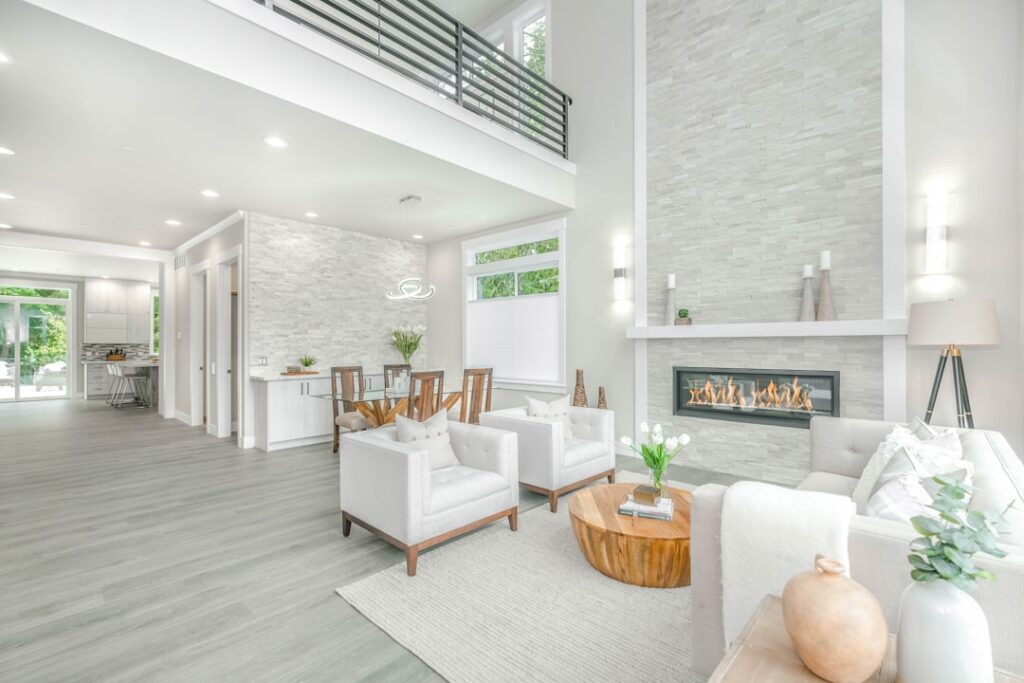
- Great rooms and open-concept living areas where a smaller rug would disappear
- Large formal living rooms with a full sofa, loveseat, and two chairs
- Big dining rooms with a table that seats eight to ten
- Finished basements and bonus rooms with sprawling sectionals
Measure your room first. Tape off the rug outline on your floor with painter’s tape and live with it for a day before ordering. Ten by fourteen feet reads much bigger in a real room than it does on a website.
Furniture Placement: All Legs vs. Front Legs
The advantage of a rug this large is that you can pull furniture fully onto it, which is the most designer-approved look. There are three accepted arrangements:
- All legs on: Every piece of furniture sits entirely on the rug with several inches of margin around each. This is the most luxurious look and the whole point of buying oversized. A 10-by-14 rug easily handles a large sectional plus a coffee table with all legs on.
- Front legs on: The front feet of sofas and chairs rest on the rug while the back feet sit on the floor. This still ties the seating group together and works when the room is closer to the rug’s minimum size.
- Floating: Only the coffee table sits on the rug. Avoid this with a 14×10; you paid for coverage, so use it.
In a dining room, the rug must extend at least 24 inches, ideally 30 inches, beyond the table on all sides so the back chair legs stay on the rug when guests push back to stand. A 10-by-14 rug suits a dining table up to about 42 by 96 inches.
Do Not Skip the Rug Pad
A rug this heavy still needs a pad, and it is not optional. A quality pad keeps the rug from creeping, adds cushioning underfoot, protects your hardwood or LVP finish from grit, and extends the life of the rug fibers by absorbing crushing forces. Order the pad about one inch smaller than the rug on every side, so a 14×10 rug takes roughly a 9-foot-10 by 13-foot-10 pad.
For hard floors, choose a natural rubber or felt-and-rubber pad, not the cheap PVC waffle type, which can off-gas and stick to floor finishes over time. Expect to spend $60 to $150 for a good pad at this size. It is the least glamorous purchase in the whole project and the one you will be gladdest you made.
Materials and What They Cost
Fiber choice drives both price and how the rug lives with your household.
Wool
Wool is the gold standard: naturally stain-resistant, resilient, and warm. It hides footprints and bounces back from furniture dents. Expect a hand-tufted or hand-knotted wool 14×10 rug to run $800 to $3,000 or more.
Polypropylene
Also called olefin, polypropylene is the workhorse synthetic. It resists stains and moisture, cleans easily, and costs the least, with machine-made 10-by-14 rugs commonly priced $200 to $700. It is the practical pick for families with kids, pets, and spills.
Jute and Natural Fibers
Jute and sisal bring texture and an organic look but shed, stain easily, and feel rougher underfoot. They suit low-traffic formal rooms. A natural-fiber 14×10 rug typically runs $300 to $900.
Across all materials, budget somewhere between $200 for a basic synthetic and well over $2,000 for a fine wool piece. This is a large-format textile, so prices scale up fast with quality and construction.
Caring for an Oversized Rug
Vacuum weekly on the appropriate height setting, and avoid running a beater bar aggressively over the fringe or edges. Rotate the rug 180 degrees every six months so foot traffic and sunlight wear it evenly. Blot spills immediately with a clean white cloth working from the outside in, and never rub, which drives the stain deeper.
For deep cleaning, a rug this large is awkward to handle at home. Most homeowners hire professional cleaning every 12 to 24 months, which runs roughly $150 to $400 depending on fiber and soil level. Wool especially benefits from professional care rather than a rental extractor.
Layering, Patterns, and Practical Buying Tips
Because a rug this large becomes the visual foundation of the room, its pattern sets the tone for everything else. Busy, high-contrast patterns hide spills and traffic wear well, which makes them a smart choice for households with kids and pets. Solid or subtly textured rugs feel calmer and more modern but reveal every crumb and vacuum line, so plan your cleaning routine accordingly.
When ordering online, read the pile height. A low pile under half an inch is easiest to vacuum and lets doors clear the surface, while a plush pile over three-quarters of an inch feels luxurious underfoot but shows furniture dents. Also check the actual listed dimensions, since some rugs sold as “10×14” measure a couple of inches short in either direction, which matters when you are threading the needle between furniture and walls.
Finally, factor in delivery. A 140-square-foot rug can weigh 60 to 100 pounds rolled up and often ships freight rather than by standard carrier. Have a second set of hands ready to unroll it, and let it relax flat for a day or two, or reverse-roll it gently, to release shipping creases before you set furniture on top.
Is a 14×10 Rug Right for You?
If your room is genuinely large and your furniture is drifting on an undersized rug, moving up to this format transforms the space. Measure carefully, insist on the pad, and match the fiber to your traffic. Done right, a 14×10 rug becomes the foundation the entire room is built around, and it will look intentional for a decade or more.