When shopping for flatware, cookware, or kitchen sinks, the numbers stamped on the packaging can be confusing. 18/0 stainless steel is one of the most common grades used in household products, yet most people have no idea what those numbers actually mean. The first number represents the chromium content (18%), which provides corrosion resistance, while the second number indicates nickel content (0%). That zero makes a significant difference in durability, appearance, and price compared to higher-nickel alloys.
What the Numbers Mean
Stainless steel grades for consumer products follow an industry-standard naming convention based on two key alloying elements. The 18 refers to 18% chromium, which forms an invisible oxide layer on the surface that prevents rust. The 0 means the alloy contains no nickel, or only trace amounts below 1%.
Nickel is the element that gives stainless steel its bright, silvery luster and added corrosion resistance. Without it, 18/0 stainless steel has a slightly duller, more matte appearance compared to nickel-containing grades. It also tends to be slightly more magnetic, which matters if you use magnetic knife strips or induction cooktops.
18/0 vs 18/8 vs 18/10 Stainless Steel
Understanding the differences between these three common grades helps you make smarter purchasing decisions:
- 18/0 (Series 400): 18% chromium, 0% nickel. Most affordable. Slightly magnetic. Used in everyday flatware and budget cookware. Adequate corrosion resistance for normal kitchen use
- 18/8 (Type 304): 18% chromium, 8% nickel. The most widely used stainless steel in the world. Excellent corrosion resistance, bright finish, non-magnetic
- 18/10 (Type 316): 18% chromium, 10% nickel. Premium grade with superior corrosion resistance. Heavier feel, mirror-like shine. Found in high-end flatware and professional cookware
Price differences are real. A 20-piece flatware set in 18/0 typically costs $20 to $40, while an equivalent 18/10 set runs $50 to $150. For everyday family use where pieces get tossed in the dishwasher daily, 18/0 offers solid value without the premium price.
Common Uses for 18/0 Stainless Steel
Manufacturers choose 18/0 stainless steel for products where cost efficiency matters more than a mirror polish. You will find it in a wide range of household items.
- Everyday flatware and utensil sets
- Mixing bowls and prep bowls
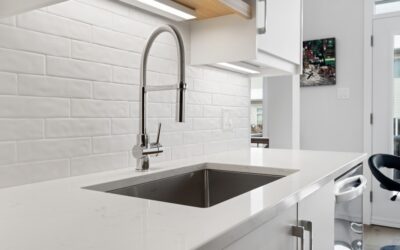
- Kitchen sink basins and drain assemblies
- Dishwasher racks and internal components
- Appliance interiors and trim pieces
- Storage containers and canisters
- Induction-compatible cookware bases
One practical advantage of 18/0 is its magnetic property. Induction cooktops require magnetic cookware to generate heat, and 18/0 bases work perfectly. Many mid-range cookware brands use an 18/0 base plate bonded to an 18/10 cooking surface to get the best of both worlds.
Durability and Corrosion Resistance
While 18/0 stainless steel provides solid everyday protection against rust and tarnish, it does not match the corrosion resistance of nickel-containing grades. Prolonged exposure to saltwater, acidic foods like tomato sauce, or harsh cleaning chemicals can cause pitting over time. In normal kitchen conditions with regular washing, this is rarely a problem.
The chromium content alone creates a self-healing oxide layer that reforms within hours after being scratched. Minor surface scratches do not compromise the integrity of the material. However, if you live in a coastal area with salt air or use your flatware with highly acidic foods regularly, stepping up to 18/8 or 18/10 may be worth the extra cost.
How to Clean and Care for 18/0 Stainless Steel
Proper maintenance keeps 18/0 stainless steel looking good for years. Follow these proven care practices:
- Wash with warm water and mild dish soap after each use
- Dry immediately with a soft cloth to prevent water spots
- Avoid soaking in water for extended periods, which can cause discoloration
- Use a paste of baking soda and water to remove stubborn stains
- Clean in the direction of the grain, not against it, to avoid micro-scratches
- Apply a thin coat of mineral oil occasionally to maintain luster on sinks and appliances
For dishwasher use, place stainless steel flatware with handles pointing down so water drains off the eating surfaces. Avoid letting wet stainless steel sit in contact with carbon steel, cast iron, or regular steel because galvanic corrosion can develop at the contact points. This shows up as rust spots that look alarming but are actually surface-level iron deposits from the other metal.
Is 18/0 Stainless Steel Safe for Food?
Absolutely. All grades of stainless steel used in cookware and flatware are FDA-approved for food contact. The 18/0 grade does not leach harmful amounts of chromium or any other metals under normal cooking and eating conditions. People with nickel allergies actually benefit from choosing 18/0 specifically because it contains no nickel that could potentially trigger reactions.
Roughly 10% to 20% of the population has some degree of nickel sensitivity. For these individuals, eating with 18/10 flatware can occasionally cause oral irritation. Switching to 18/0 eliminates that concern entirely. Several medical and allergy-focused brands specifically market 18/0 flatware as nickel-free alternatives.
Buying Tips and What to Look For
When shopping for 18/0 products, look for the grade stamp on the packaging or product itself. Reputable brands like Oneida, Liberty Tabletop, and Winco clearly label their stainless steel grade. Avoid products that simply say “stainless steel” without specifying the grade because they may use inferior alloys with less than 18% chromium.
Weight is a useful quality indicator. Pick up the flatware and feel its heft. Thicker, heavier pieces indicate better metal gauge and will resist bending during normal use. Budget 18/0 sets use thinner gauges that feel flimsy and can bend at the neck. Spending an extra $10 to $15 for a mid-range set with heavier gauge construction pays off in longevity. A well-made 18/0 flatware set should last 10 to 15 years with daily use and proper care.