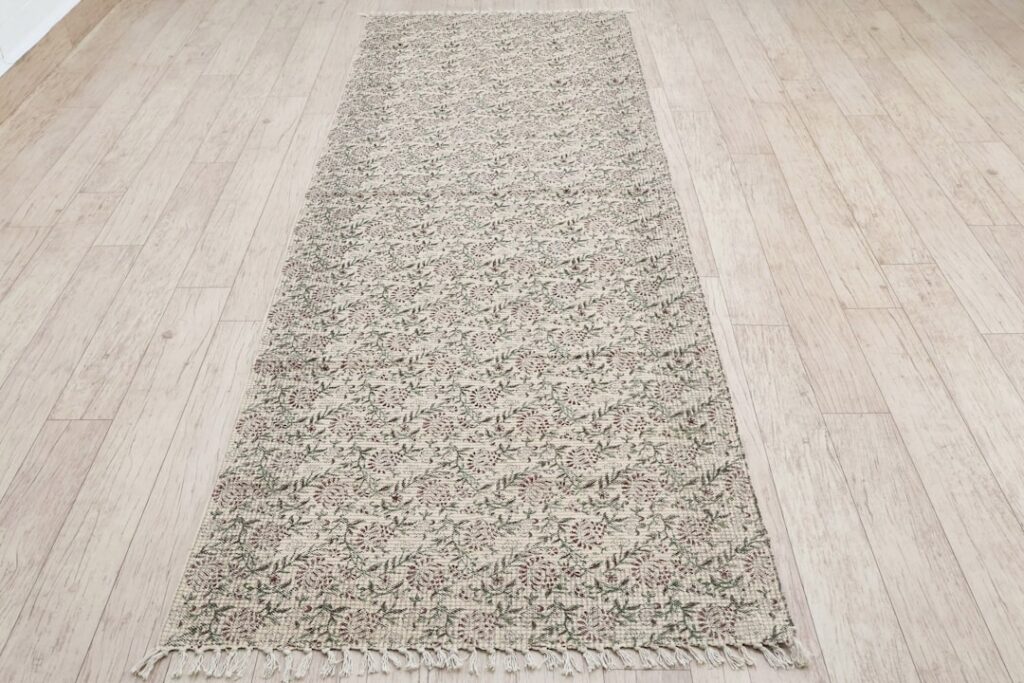
Some spaces in a house are stubbornly long and narrow, and no ordinary rug fits them. A 2×12 runner rug, measuring roughly two feet wide and twelve feet long, is built for exactly those corridors: the pass-through hallway, the galley kitchen, the entry that stretches from the front door toward the stairs. Choosing the right one is less about following a formula and more about matching the runner to the length of your space, the traffic it sees, and the look you want underfoot. This guide walks through sizing, placement, materials, and the small details that make a runner feel intentional rather than an afterthought.
A runner’s job is to define and soften a walkway. It leads the eye down a hall, cuts the echo and coldness of hard flooring, protects the floor from concentrated foot traffic, and adds a band of color and pattern to a space that otherwise has nowhere for a rug to live. At twelve feet long, the 2×12 size is one of the longer standard runners, made for genuinely long runs where a shorter six- or eight-foot piece would look stranded.
How to Size a Runner Correctly
Getting the proportions right is the single most important step, and it starts with measuring the actual space, not guessing. Lay a tape measure down the length you want to cover and note both the length and the usable width. The guiding principle for length is to leave a border of bare floor at each end, generally 6 to 18 inches, so the runner reads as a deliberate element rather than wall-to-wall carpet crammed into a hall.
Width matters just as much. A runner should leave a few inches of floor showing on each side, ideally 4 to 6 inches between the rug edge and the baseboard, so the flooring frames it. A two-foot-wide runner suits hallways roughly 30 to 40 inches wide. In a wider corridor, you might step up to a 2.5- or 3-foot runner, and in a very narrow hall a two-foot width is exactly right. Measure before you buy, because a runner that touches the walls looks like a mistake.
Best Rooms for a 2×12 Runner
Twelve feet is long, so the 2×12 shines in specific spots. Long entry and hallway runs are the classic use, guiding traffic from a foyer down toward bedrooms or stairs. Galley kitchens are another natural fit, where a runner laid in front of the sink and counter run cushions your feet during long stretches of cooking and cleanup. It also works alongside a long kitchen island, at the foot of a large bed running its width, or down a mudroom or laundry passage.
In the kitchen especially, think about washability and slip resistance, since that runner will meet dropped food and splashes of water. Many homeowners choose a low-pile, machine-washable runner for kitchens and save plusher options for hallways and bedrooms where spills are rarer.
Choosing the Right Material
The fiber you pick determines how the runner feels, how it wears, and how easily it cleans. Because runners live in high-traffic zones, durability usually outranks softness.
- Wool is the premium choice, naturally durable, stain-resistant, and resilient underfoot, though it costs more and needs professional cleaning for deep stains.
- Polypropylene and other synthetics are budget-friendly, fade-resistant, and easy to clean, making them ideal for kitchens and busy entries.
- Cotton and machine-washable blends can go in a large washing machine, a genuine advantage in spill-prone spots.
- Natural fibers like jute and sisal add texture and an organic look but are harder to clean and less comfortable barefoot, so they suit low-moisture hallways more than kitchens.
The Rug Pad Nobody Should Skip
A runner without a pad is a slip hazard and a wear problem. On hard floors, a non-slip rug pad keeps the runner from sliding and bunching underfoot, which is dangerous in a hallway where people walk quickly. A pad also cushions each step, reduces wear on the rug’s backing, and protects the floor finish from grit trapped beneath the rug. Buy a pad cut slightly smaller than the runner, roughly an inch less in each dimension, so it stays hidden. For a 2×12 runner, a felt-and-rubber pad gives the best balance of grip and cushion; a thin rubber pad is fine on floors where you want to keep the rug low-profile.
Styling a Long Runner
Because a runner covers a long visual line, its pattern and color set the tone for the whole corridor. A few approaches work reliably. In a narrow hall with little natural light, a lighter runner with an open pattern makes the space feel wider and brighter. In a busy entry, a darker or busier pattern hides dirt and footprints between cleanings. Traditional Persian-style medallions, Moroccan trellis patterns, and simple stripes all elongate a space and disguise wear.
Consider how the runner relates to nearby rooms. If it sits within sight of a living room or kitchen rug, echo a color from that rug so the spaces feel connected rather than clashing. Keep the runner centered in the hallway, with equal floor showing on both sides, and align its ends thoughtfully with doorways and transitions so it looks planned.
Care and Longevity
Because a 2×12 runner absorbs concentrated traffic, regular care keeps it looking good far longer. Vacuum it weekly, and rotate it end for end every few months so the wear evens out instead of concentrating at one entry point. Address spills immediately by blotting, never rubbing, and treat synthetic runners with mild soap and water. Machine-washable runners can go through a large-capacity washer on a gentle cycle and air dry. Shake out the rug pad periodically and check that it is still gripping the floor.
With the right size, a good pad, and a fiber matched to the room, a 2×12 runner rug does quiet, daily work: it warms a cold hallway, cushions long hours at the kitchen counter, and pulls a long, awkward space together into something that feels finished. Measure first, choose durability for the traffic, and it will earn its keep for years.