
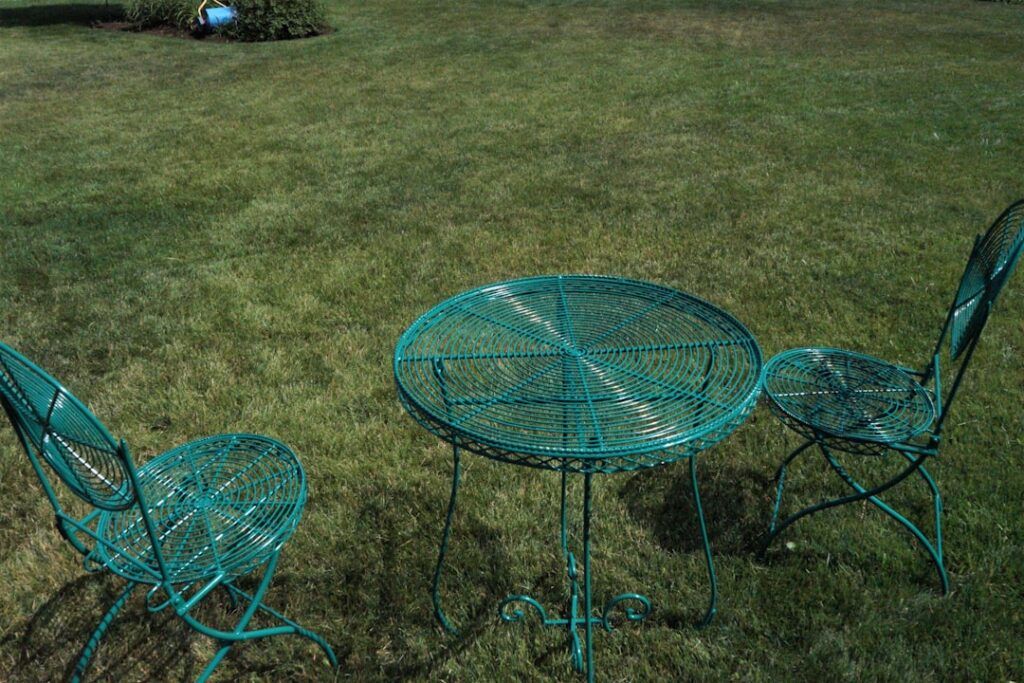
The two-chairs-and-a-table trio has been furniture’s most efficient social unit since Parisian cafés put folding steel sets on the sidewalk in the 1880s. A 3 piece patio set — the modern bistro set — remains the single most-purchased outdoor furniture format in the US because it solves the most common scenario perfectly: two people, coffee or a meal, limited space, modest budget. But the category now spans three distinct sub-formats and a $90-to-$900 price spread, and picking the wrong sub-format is the most common regret in the reviews.
- The Three Sub-Formats: Dining, Chat, and Bar
- The Classic: Folding Steel Bistro Dining
- Chat Sets: Where Comfort and Corner-Cutting Both Live
- Materials Across All Three Formats
- Sizing and Comfort: The Numbers That Matter
- What to Spend: Three Honest Tiers
- When to Size Up Instead
- Placement: Where a Trio Earns Its Keep
- Care and the Off-Season
- Bottom Line
The Three Sub-Formats: Dining, Chat, and Bar
Every 3-piece set is one of these, and they are not interchangeable:
- Bistro dining sets: a 24-to-30-inch table at standard 28-to-30-inch height with two upright chairs. Built for actual eating — plates, laptops, board games.
- Chat sets: two cushioned club or rocker chairs with a low side/coffee table between them. Built for drinks and conversation; you cannot comfortably eat dinner at an 18-inch table.
- Bar-height sets: a 36-to-40-inch pub table with two stools. Built for railing views and standing-friendly hosting.
Decide by verb before you shop: eat → dining, lounge → chat, drink with a view → bar. Retailers photograph all three with the same wine glasses, which is how people end up eating spaghetti hunched over a knee-height chat table.
The Classic: Folding Steel Bistro Dining
The original French format is still the best pure value in outdoor furniture. Fermob’s Bistro folding set — the direct descendant of the 19th-century café original — runs about $400 to $500 in 24 lacquered colors and folds flat in seconds; it’s the buy-once option with a cult following. The same silhouette from budget makers costs $90 to $180 and works fine with expectations set: thinner steel, fewer coats of paint, a 3-to-5-year outdoor life instead of 15. Either way, the folding steel format’s superpower is honesty — no cushions to fade, no wicker to crack, and off-season storage in a 6-inch slice of garage wall.
Chat Sets: Where Comfort and Corner-Cutting Both Live
Cushioned chat sets ($200–$600) are the fastest-growing slice of the category, led by wicker trios from Christopher Knight Home and Safavieh’s rope-and-steel designs. Comfort is genuinely better than any bare bistro chair — and so is the number of things that can fail. Apply three checks before buying: cushions at least 3 inches thick with removable, zippered covers; a center table with a solid top (open weave tops tip glasses); and a stated frame material, because “metal frame” with no elaboration means thin steel. Swivel-rocker chat sets are the sleeper upgrade here, typically $80 to $150 over fixed chairs, and the motion earns daily use the way a fixed chair never quite does.
Materials Across All Three Formats
The 3-piece format comes in every outdoor material, and small sets amplify material quirks because each piece works harder. Powder-coated steel dominates under $200 — fine sheltered, rust-prone exposed. Cast and tubular aluminum ($250–$600) is the no-maintenance keeper grade. Resin wicker over steel is the chat-set default; check weave gauge at the seat corners, the first failure point. Mosaic tile-top tables ($150–$350) are the style stars of the dining sub-format and genuinely durable, but they weigh 30-plus pounds and grout lines need a silicone sealer wipe once a year. Solid acacia trios look warmest and demand annual oiling — skip wood if you won’t commit to that.
Sizing and Comfort: The Numbers That Matter
A bistro dining table for two should be at least 24 inches across; 28 to 30 inches fits two full place settings without the salsa bowl balancing on the rim. Confirm chair seat height pairs with table height — 17 to 19-inch seats for a 29-inch table, 24 to 26-inch stools for a 36-inch bar table — because mismatched budget sets are common and unfixable. Armless chairs tuck fully under most bistro tables, shrinking the stored footprint to the table’s diameter alone. If anyone in the household is over six feet or under five-two, sit before you buy or check reviews for fit complaints; small-format chairs run small, and a too-shallow seat is the top comfort complaint in the category.
What to Spend: Three Honest Tiers
Under $150 buys a disposable-but-cheerful folding steel or basic wicker trio — right for renters and first balconies. The $250–$500 band is the value core: aluminum frames or quality mosaic tops, solution-dyed cushions on the better chat sets, 5-to-10-year service lives. Above $500 you’re buying either the Fermob-class pedigree, cast-aluminum permanence, or premium rope-weave design, and the sets hold up well enough to justify it if the patio is a daily-use space. Across all tiers, the late-summer clearance window (August–September) routinely knocks 40 percent off, and 3-piece sets survive clearance season in stock better than big collections because stores carry deep quantities.
When to Size Up Instead
The honest limit of the format: three pieces serve two people, full stop. A third guest at a bistro table is a negotiation, and a chat set’s center table maxes out at four drinks. If your realistic Friday involves four people more than a few times a season, a 5-piece dining set or a loveseat-based conversation group serves you better than squeezing folding chairs around a 24-inch table — the cost step is smaller than it looks at clearance, often $150 to $250 over a quality trio. The reverse logic also applies, though, and it’s underused: a household that mostly hosts pairs does better with an excellent 3-piece set plus two stackable spare chairs in the garage than with a mediocre 5-piece set occupying the patio year-round for gatherings that happen twice a summer. Buy for the median evening, not the maximum one, and keep the overflow seating cheap and stashable.
Placement: Where a Trio Earns Its Keep
Part of the format’s genius is that it fits places no larger set can. The front porch is the most underused candidate in American housing — a bistro trio beside the door turns dead square footage into the neighborhood-watching seat, and folding steel handles the exposure. Balcony corners work best with the table set at 45 degrees to the railing so both chairs keep the view. In yards, a 6×6 gravel or paver pad away from the main patio creates a destination — morning-sun coffee spot, shade-tree reading corner — for under $100 in materials plus the set. Two placement rules travel everywhere: on hard surfaces in windy spots, pick a set heavy enough to stay put (the 30-pound mosaic table earns its weight here), and a small outdoor rug under the trio defines the zone so it reads as a room rather than three objects.
Care and the Off-Season
Small sets are easy to keep alive because every maintenance job is small too. Folding steel wants dry storage or a cover, a shot of silicone spray on the hinges each spring, and same-week touch-up on paint chips — do that and even a $120 set doubles its life expectancy. Mosaic tables need their grout lines wiped with silicone sealer annually and must not winter face-up outdoors where pooled water freezes in the grout; store them upright against a garage wall or cover them with a slight tilt. Wicker chat sets follow cushion rules above all: covers off and stored dry from November through March. Fitted covers sized for 3-piece sets run just $15 to $25, the cheapest insurance in outdoor furniture — and with a folding set, the entire off-season plan is a 6-inch slice of closet.
Bottom Line
Buy a 3 piece patio set by verb first — eat, lounge, or drink — then by material for your exposure, then by the comfort numbers. The folding steel dining trio remains the pound-for-pound champion; a swivel chat set is the comfort pick; bar height wins on balconies with a railing view. And if your constraint is the space itself rather than the format, our small patio set guide covers the full layout playbook for tight patios and balconies, bistro sets included.


