Choosing the wrong rug size is the most common decorating mistake people make, and an undersized rug floating in the middle of a room is the classic example. A 4 x 6 rug is one of the most versatile accent sizes you can own, small enough to define a specific spot like an entryway or the side of a bed, yet large enough to anchor a cozy seating nook. The key is knowing where this size works beautifully and where you actually need something bigger, because a 4-by-6 used in the wrong room looks lost rather than intentional.
What a 4 x 6 Rug Is Best For
At 4 feet by 6 feet, this is an accent rug, not a room-defining area rug. It covers a focused zone rather than the whole floor, which makes it ideal for specific high-impact placements:
- Entryways and foyers: Welcomes guests, catches dirt, and defines the transition into the home.
- Beside or at the foot of a bed: A soft landing for your feet without committing to a large rug under the whole frame.
- Reading nooks and small seating areas: Grounds a chair and ottoman in a corner.
- Kitchens and in front of sinks: Adds comfort and color to a hard-working space.
- Home offices: Sits under a desk and chair to define the workspace.
- Layering: Placed on top of a larger jute or neutral rug for added texture and pattern.
Where It Won’t Work
Being honest about the limits saves a frustrating return. A 4 x 6 rug is too small to anchor most living rooms, where you generally want the front legs of the sofa and chairs on the rug, calling for an 8-by-10 or larger. It’s also too small to sit fully under a standard dining table with chairs pulled out, and it gets swallowed in a large open-concept space. If you’re trying to unify a big seating arrangement or cover most of a room’s floor, size up. Use the 4-by-6 for accents and focal points, not for grounding an entire large room.
Choosing the Right Material
Material drives durability, feel, and price, so match it to the room.
- Wool: Soft, durable, naturally stain-resistant, and warm underfoot. The premium choice for bedrooms and living spaces, at $100 to $400 for this size.
- Cotton: Affordable, washable, and casual, great for kitchens and entries. Often $30 to $100.
- Synthetic (polypropylene, nylon): Budget-friendly, stain-resistant, and easy to clean, ideal for high-traffic and pet households. Typically $30 to $120.
- Jute and natural fibers: Textured and earthy, perfect as a base layer, though rougher underfoot and harder to clean.
- Indoor/outdoor: Weather-resistant synthetics for porches, patios, and mudrooms.
What a 4 x 6 Rug Costs
Price spans a wide range depending on material and construction. Budget synthetic and cotton rugs start around $30 to $80, mid-range options run $80 to $200, and hand-knotted wool or premium designer pieces can exceed $300 to $500. Because the size is small, even a quality wool rug stays affordable compared to scaling the same material up to a 9-by-12. That value is part of why this size is so popular for adding a touch of richer material without a big spend.
Placement Tips That Make It Look Right
Even the perfect rug looks off if it’s positioned poorly. A few rules help:
- In an entryway, center the rug in the space and leave even border of floor around it rather than pushing it against one wall.
- Beside a bed, run the long side parallel to the bed so your feet land on it when you get up.
- Under a desk, position it so the chair stays on the rug even when rolled back.
- When layering, angle or offset the 4-by-6 on top of a larger rug for a deliberate, designed look.
- Always leave a small margin of bare floor showing around an accent rug; wall-to-wall coverage is a different goal entirely.
The Rug Pad You Shouldn’t Skip
A good rug pad is the most overlooked accessory. For a 4 x 6 rug, a pad does three jobs: it grips the floor so the rug doesn’t slide and become a trip hazard, it cushions the rug for a plusher feel, and it protects the rug from wear and the floor from scratches and dye transfer. Choose a non-slip pad for hard floors and a thinner gripping pad on carpet. Cut the pad about an inch smaller than the rug on all sides so it stays hidden. Expect to spend $15 to $40, and consider it mandatory in entryways and other high-traffic spots.
Cleaning and Maintenance
Keeping a 4-by-6 looking fresh is easy because of its manageable size. Vacuum regularly to lift embedded dirt, and rotate the rug every few months so it wears evenly, especially in sunny rooms where one side fades faster. Blot spills immediately with a clean cloth rather than rubbing, which spreads stains. Many cotton and synthetic rugs in this size are small enough to shake out, spot-clean, or even toss in a washing machine if labeled washable, a real convenience over large area rugs. Check the care label, since wool and natural fibers need gentler treatment and occasional professional cleaning.
Choosing Color and Pattern
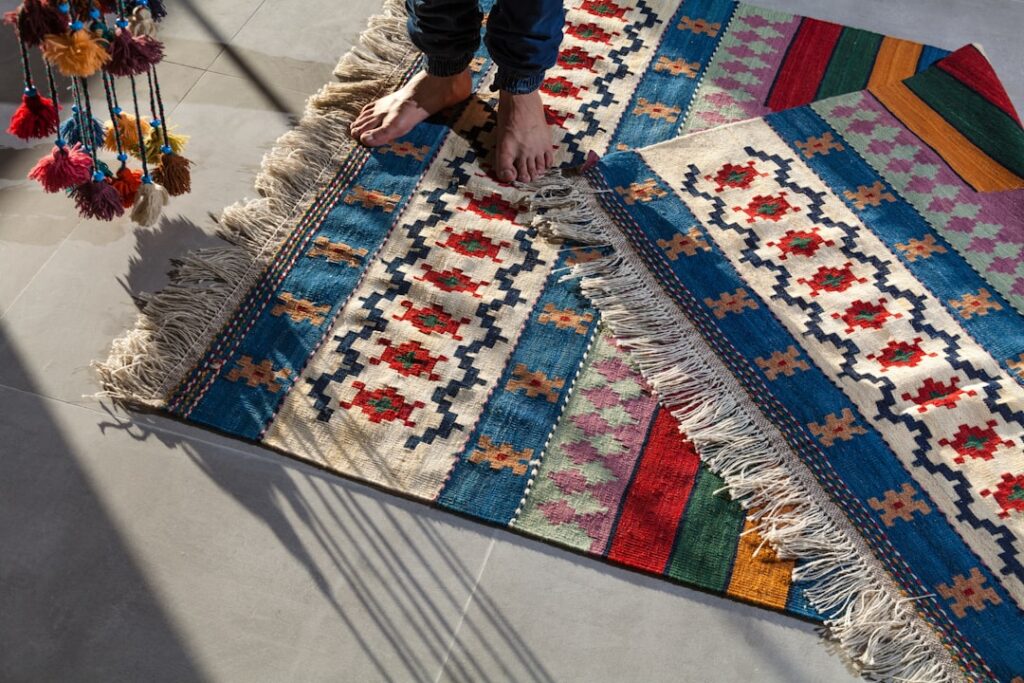
Because a 4-by-6 is an accent piece, it’s a low-risk place to add color and pattern you might hesitate to commit to in a large room-sized rug. A bold, patterned 4 x 6 rug can inject personality into an otherwise neutral room, drawing the eye to an entryway or reading nook without overwhelming the space. If your furniture and walls are already busy, a solid or subtly textured rug calms the look and grounds the area instead of competing with it.
Think about traffic and dirt when picking color. Light, solid rugs show every footprint and crumb, which is a poor choice for an entry or kitchen, while darker tones and busy patterns hide everyday wear beautifully in those spots. Pull a color from elsewhere in the room, a throw pillow, artwork, or a paint accent, into the rug to tie the space together. And consider the rug’s shape relative to the room: the 4-by-6 rectangle naturally suits hallways, the side of a bed, and runners’ worth of space, reinforcing the lines of the room rather than fighting them.
The Bottom Line
A 4 x 6 rug is the accent workhorse of home decor: affordable, versatile, and easy to live with. It shines in entryways, bedrooms, reading nooks, kitchens, and as a layering piece, adding color, warmth, and definition exactly where you want it. Just respect its scale. Use it to highlight a focused area rather than to anchor a whole large room, pair it with a good non-slip pad, and pick a material suited to the traffic, and it’ll be one of the most useful pieces in your home.