
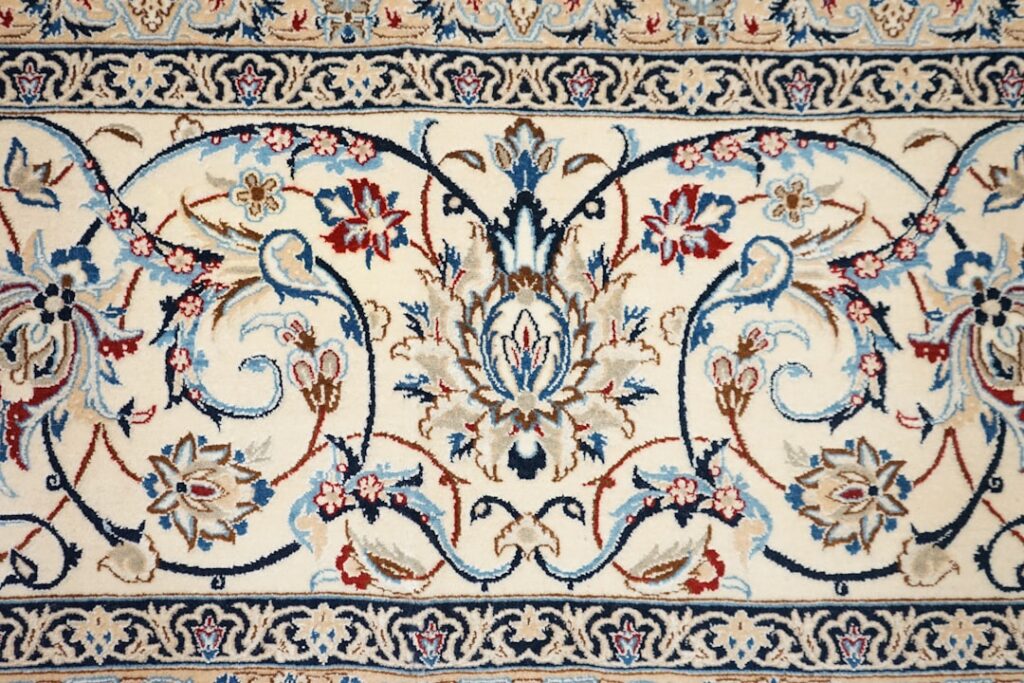
A 5×10 rug is a uniquely useful size that bridges the gap between a standard runner and a full area rug. At 5 feet wide and 10 feet long, it covers more ground than a narrow hallway runner while staying long and lean enough to suit galley kitchens, entryways, narrow living rooms, and the foot of a large bed. If you have an awkward, elongated space that a square or standard rug never quite fits, this is often the dimension you have been looking for.
Because it is less common than sizes like 5×7, 8×10, or 9×12, the 5×10 takes a little more thought to source and place. This guide covers exactly where it works and how to use it well.
Understanding the 5×10 Size
At 5 by 10 feet, this rug has a 1-to-2 width-to-length ratio, making it noticeably more rectangular than the typical 5×7 or 8×10. That long, lean proportion is its defining trait. A standard hallway runner is usually 2 to 3 feet wide, while a 5×10 is wide enough to function as a true area rug, so it fills the floor of narrow rooms and wide hallways in a way a skinny runner cannot.
In metric terms, a 5×10 foot rug measures roughly 152 by 305 centimeters. Keep in mind that rug sizes are nominal, so the actual measurement can vary by an inch or two depending on the manufacturer and whether fringe is included.
Best Rooms for a 5×10 Rug
- Galley and narrow kitchens: Runs the length of the workspace, cushioning the area between counters.
- Entryways and foyers: A generous landing pad that anchors a long entrance.
- Wide hallways: Fills more of the floor than a standard runner for a richer look.
- Narrow living and dining rooms: Defines a seating or dining zone in a long, slim layout.
- Foot of a bed: Spans the width of a king or queen bed as an accent layer.
- Home offices and reading nooks: Grounds furniture in elongated spaces.
Placement Tips
The goal with any area rug is balance, with a consistent border of exposed floor framing the rug. For a 5×10 in a hallway or kitchen, aim to leave roughly 4 to 8 inches of bare floor on each side so the rug looks centered and intentional rather than wall-to-wall. In a narrow living room, position the rug so the front legs of your seating rest on it, tying the arrangement together even if the back legs sit off.
In a dining area, make sure the rug extends far enough that chairs stay on the rug when pulled out, which usually means leaving at least 24 inches of rug beyond the table edge. At the foot of a bed, center the long dimension across the bed’s width for a balanced look.
Choosing the Right Material
Match the fiber to the room’s traffic and moisture level.
- Wool: Durable, soft, and naturally stain resistant. Excellent for living rooms and bedrooms, though pricier.
- Polypropylene (olefin): Affordable, moisture and stain resistant, and easy to clean, ideal for kitchens and high-traffic halls.
- Nylon: Tough and resilient, a strong choice for busy entryways.
- Cotton and flatweave: Lightweight and washable, great for kitchens and casual spaces.
- Natural fibers (jute, sisal): Textured and earthy, best in low-moisture areas.
For kitchens and entryways, prioritize low-pile, easy-clean materials that handle spills and grit. For living and sleeping spaces, a softer wool or plush synthetic feels better underfoot.
Style and Pattern Considerations
The long, narrow shape influences pattern choice. All-over and repeating patterns work beautifully because they carry the eye down the length of the rug. Stripes can either elongate a space further or, when run across the width, visually widen a narrow room. Busy patterns also hide everyday dirt and footprints, which is handy in kitchens and halls.
For a calm, expansive feel, choose a solid or subtly textured rug in a tone that complements your floor. To make a statement, a bold runner-style pattern down a hallway draws the eye and adds energy to an otherwise plain corridor.
Where to Buy and What to Expect on Price
Because 5×10 is a less standard size, you will find fewer off-the-shelf options than common sizes, so check specialty rug retailers and brands that offer broad size ranges, and consider custom-cut runners if you cannot find the look you want. Some retailers cut broadloom carpet to a 5×10 and bind the edges, which is a great way to get an exact fit.
Pricing varies widely by material and construction. Synthetic 5×10 rugs often run roughly $80 to $250, while wool and higher-end handmade pieces can range from $300 to well over $1,000. Treat any figure as an estimate, since brand, quality, and construction drive the cost.
Care and Maintenance
A few habits keep a 5×10 rug looking its best, especially in high-traffic locations.
- Use a rug pad: It prevents slipping, adds cushion, protects the floor, and extends the rug’s life. A non-slip pad is essential in kitchens and halls.
- Vacuum regularly: Remove grit before it grinds into the fibers, at least weekly in busy areas.
- Blot spills immediately: Press, do not rub, to lift liquids before they set.
- Rotate periodically: Turn the rug every few months so foot traffic and sunlight wear it evenly.
- Deep clean as needed: Follow the manufacturer’s instructions; many synthetics and flatweaves clean easily, while wool may warrant professional care.
Keep the rug out of constant direct sunlight to limit fading, and address any curling corners promptly with a pad or rug grippers to avoid trip hazards.
The Bottom Line
A 5×10 rug is the answer for long, narrow spaces that standard sizes leave looking awkward, from galley kitchens and wide hallways to slim living rooms and the foot of a large bed. Choose a material suited to the room’s traffic, place it with an even border of exposed floor, and protect it with a quality rug pad. Since the size is less common, shop specialty retailers or consider a custom-bound option, and you will end up with a rug that fits the space as if it were made for it.


