Walk into most rug stores and you will see 5×8, 8×10, and 9×12 stacked to the ceiling, but the moment you ask for something long and narrow, the conversation gets quiet. A 5×12 rug lives in that awkward gap between a standard runner and a full room rug, and that is exactly why it solves problems the common sizes cannot. Five feet wide gives you real furniture-anchoring coverage, while twelve feet of length lets you run down a galley kitchen, a long hallway, or the open lane of a great room without stopping short. After years of laying floors and helping homeowners dress them, I can tell you this size is underrated. Below I will walk you through where it shines, what to buy, and how to actually find one.
What a 5×12 Rug Actually Is
Think of a runner that grew up. A typical runner is 2 to 3 feet wide, meant to protect a narrow strip of floor. At 5 feet wide, a 5×12 rug is nearly twice that, so it reads as a genuine area rug rather than a hallway strip. The 12-foot length is the part that makes it special, because it covers ground that an 8×10 or 9×12 would leave bare on one axis.
In practical terms, 5 by 12 feet equals 60 square feet of coverage. That is enough to sit under the front legs of a sofa and a pair of chairs, or to define a long dining zone, while still leaving a border of exposed floor on the sides. Designers call this proportion a “long rectangle,” and it flatters rooms that are themselves long and narrow, which describes a huge share of American homes built with galley kitchens and railroad-style layouts.
Best Rooms and Placements for a 5×12
Certain spaces practically beg for this size. Here are the ones where I reach for it first.
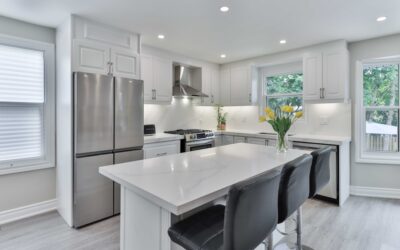
- Galley and long kitchens: Run it down the center aisle between counters. It cushions your feet at the sink and stove while covering the whole working lane instead of leaving one end on cold tile.
- Wide hallways and foyers: A standard runner can look skinny in a 5-foot-wide hall. A 5×12 fills the space with authority and gives you a soft landing from the front door down the corridor.
- Long living rooms: In a narrow living room, float the rug lengthwise with the sofa’s front legs on it and a console or chairs at the far end. It ties the whole seating group together.
- Foot of a king bed: A king is 76 inches wide, so a 12-foot rug laid crosswise at the foot of the bed extends well past both sides and gives you warm floor when you step out.
- Open-concept transition zones: Use it to carve a walking path or a reading lane out of a large open floor plan without committing to a giant square rug.
Whatever the room, leave 4 to 8 inches of bare floor between the rug edge and the walls or cabinet toe-kicks. That reveal keeps the rug from looking like wall-to-wall carpet and lets the flooring underneath breathe visually.
Materials: Matching Fiber to the Room
Because a 5×12 so often lands in kitchens and hallways, durability and cleanability matter more than plush luxury. My recommendations shift with the room.
High-traffic and kitchen use
Polypropylene, sometimes labeled olefin, is the workhorse here. It resists moisture, shrugs off spills, and many low-pile versions are machine washable in a home washer. Expect flat or low-pile constructions around 0.2 to 0.4 inches thick, which slide under cabinet doors and vacuum easily. Indoor-outdoor rugs made of PET or polypropylene are also excellent for kitchens because you can hose them off.
Living rooms and bedrooms
If the rug is going somewhere softer underfoot, wool is the premium choice. It is naturally stain-resistant, springs back from furniture dents, and lasts decades. Wool costs more, but in a 60-square-foot format the premium is manageable. Cotton flatweaves and jute offer a more casual, budget-friendly look, though jute is scratchy and hates moisture, so keep it out of kitchens.
Pile Height, Backing, and Comfort
Pile height changes how a long rug behaves. In kitchens and hallways, stick with low pile under 0.4 inches so doors clear it and rolling chairs or carts glide. In living areas you can go up to 0.5 or 0.75 inches for a cushier feel underfoot. Anything over an inch in a high-traffic lane just crushes and shows wear fast.
Pay attention to the backing. A rug this long can wander and buckle if it is not anchored. On hard floors, always add a non-slip rug pad cut a couple of inches smaller than the rug on all sides. A good felt-and-rubber pad adds cushion, protects your hardwood or vinyl from grit, and keeps the ends from curling. Expect to spend $30 to $70 on a quality pad in this size, and consider it non-negotiable.
What a 5×12 Rug Costs
Pricing swings widely with fiber and construction. Here is a realistic range based on current market pricing for this size.
- Machine-made polypropylene or indoor-outdoor: roughly $90 to $250.
- Cotton flatweave or washable low-pile: about $120 to $300.
- Machine-made wool or wool-blend: around $300 to $700.
- Hand-knotted wool or specialty weaves: $800 and up, sometimes well into four figures.
Because 5×12 is not a mass-stocked size, you will occasionally pay a slight premium compared to a same-fiber 8×10, and you may have fewer sale opportunities. Custom-cut rugs, where a fabricator cuts and binds broadloom carpet to your exact 5-by-12 dimensions, run about $8 to $18 per square foot depending on the carpet, so figure $480 to $1,080 for the finished piece plus binding.
Where to Find This Uncommon Size
Do not expect to grab one off the shelf at a big-box store. The reliable paths are these. First, online rug retailers and large marketplaces list 5×12 far more often than physical stores, and you can filter by exact dimensions. Second, and often the smartest move, is custom binding. Any flooring or carpet shop can take a roll of broadloom carpet, cut it to 5 by 12 feet, and bind the edges in serged yarn or cloth tape. This gets you an exact fit in any color the carpet comes in, usually within a week or two.
A third option is layering. If you truly cannot source a single 5×12, you can lay two runners side by side, though seams and shifting make this a compromise I only suggest as a last resort. When shopping online, always confirm the listed size is finished dimensions, not nominal, and read the fiber content rather than trusting the photo.
Styling a Long Rectangle
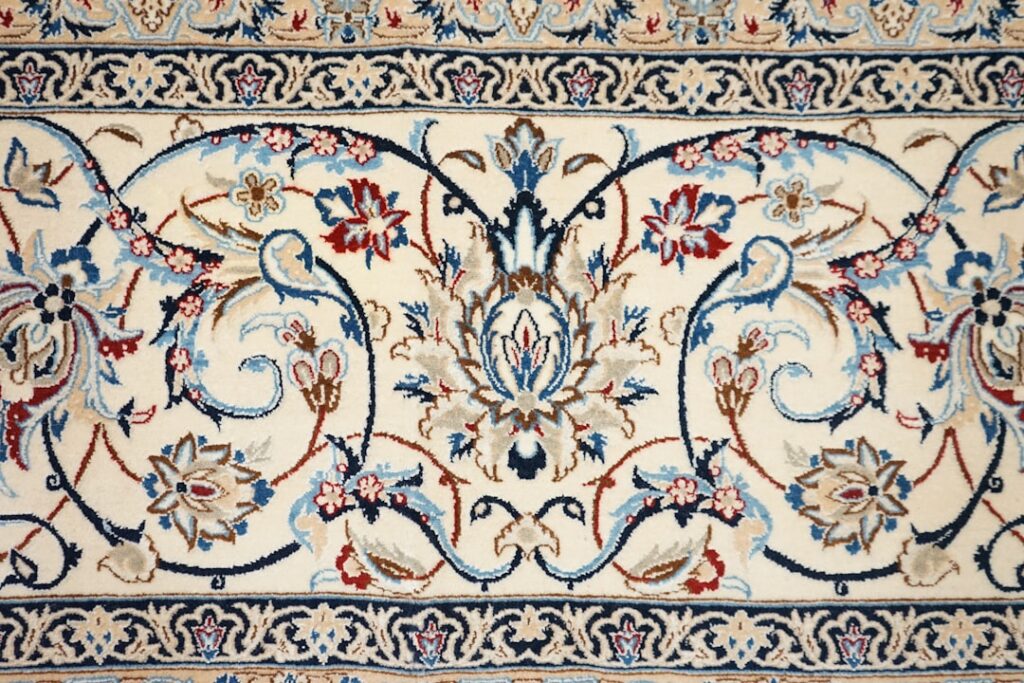
The elongated shape is a design gift if you use it right. Lengthwise stripes, runners with a strong border, or repeating medallions all emphasize the corridor feel and pull the eye down the room, which makes a space feel longer and more intentional. Busy all-over patterns hide crumbs and foot traffic beautifully in kitchens, so lean into pattern where messes happen. In calmer rooms, a low-contrast tonal rug lets the length feel elegant rather than loud.
Orient the rug so its long axis follows the room’s long axis and the natural walking path. Fighting the room’s geometry with a crosswise rug in a narrow space just looks off. Center it on the dominant feature, whether that is the run of cabinets, the sofa, or the hallway itself, and let the balanced border of exposed floor do the framing.
Care and Longevity
Vacuum a high-traffic 5×12 at least weekly, and rotate it end-for-end every few months so wear spreads evenly along its length. Washable polypropylene rugs can go in a large-capacity or laundromat washer on cold and air dry; never put wool in a machine. Blot spills immediately, work from the outside in, and for wool use a pH-neutral cleaner rather than harsh chemicals. With a good pad underneath and routine cleaning, a wool 5×12 can easily last 15 to 20 years, while a quality synthetic will give you 5 to 10 solid years even in a busy kitchen. Treated well, this odd-but-useful size will outlast most of the trendy pieces in your home.