Small yards and tight side lots do not have room for a barn, but they still need somewhere dry to stash tools and gear. A 6×6 shed with floor packs 36 square feet of protected storage into a footprint that fits almost anywhere, keeping your equipment off the damp ground and safe from pests. This compact size is perfect for garden tools, bikes, and lawn care essentials without dominating the backyard. Here is what to know about materials, floor construction, cost, and setup before you buy.
What Fits in 36 Square Feet
Six feet by six feet gives you 36 square feet, a snug but genuinely useful space. It comfortably holds long-handled garden tools, a push mower, a wheelbarrow stood on end, shelving along one wall, and a couple of bikes or a small workbench.
This size shines as a dedicated garden shed or overflow storage rather than a workshop. If you mostly need to get rakes, shovels, hoses, and pots out of the garage and off the patio, a 6×6 delivers exactly that without eating up valuable yard space.
Why You Want a Floor
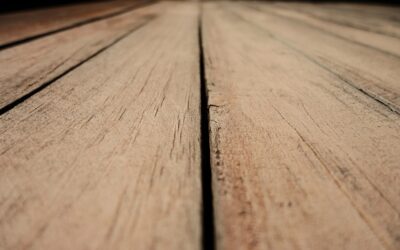
A shed floor is not a luxury, it is the feature that protects everything you store. It creates a moisture barrier between the damp ground and your belongings, blocks rodents and insects from tunneling up, and gives you a firm, level surface instead of bare dirt.
Without a floor, ground humidity rusts metal tools, rots wooden handles, and invites pests. A 6×6 shed sold with an integrated floor arrives ready to keep contents dry, which is well worth the modest price premium over a floorless model that simply sits on the earth.
Floor Construction Options
The way a floor is built determines its durability and how much weight it can carry. Knowing the choices helps you spot a quality shed from a flimsy one.
- Pressure-treated plywood on wood joists resists rot and handles heavier loads.
- Reinforced resin floors come molded into plastic sheds and never rot or rust.
- OSB decking lowers cost but must be sealed and kept dry to avoid swelling.
- Concrete pavers or slab serve as a floor if you build the shed in place.
For a small shed, a solid resin floor or pressure-treated wood over 16-inch joists both perform well for typical garden loads.
Choosing a Shed Material
Wall material affects looks, maintenance, and price. Resin and vinyl sheds are the most popular for this compact size because they resist rot, rust, and fading and never need painting, often including a built-in floor as a bonus.
Metal sheds cost the least and resist fire and pests, but budget models frequently omit a floor and can dent. Wood sheds offer the most attractive, customizable look and are easy to add hooks and shelves to, though they require periodic staining or painting to hold up against the weather.
Cost Expectations
A 6×6 is one of the more affordable shed sizes. Basic metal kits without a floor start around $350 to $700, but remember you will need to add a base. Resin sheds with an integrated floor typically run $700 to $1,400 depending on brand and features.
Wood sheds with a proper pressure-treated floor generally cost $1,000 to $2,500 for a quality kit. Delivered, pre-assembled units cost more but save you a weekend of building. Always budget separately for the foundation materials, which add $50 to $200 for a gravel pad.
Foundation and Placement
Even the best floored shed needs a level, well-draining base underneath. A compacted gravel pad is the go-to for small sheds: dig down a few inches, lay landscape fabric to block weeds, and fill with 4 inches of crushed stone extending about a foot past the shed edges.
The gravel keeps water moving away so the floor never sits in standing moisture. For a firmer setup, concrete deck blocks under the frame or a small poured slab work well. Check your setback distances from fences and property lines first, and orient the door where you have clear, convenient access.
Pros and Cons at a Glance
Weighing the trade-offs helps confirm this size fits your needs. The strengths are clear: it is affordable, fits tight spaces, requires no permit in most areas, and provides dry, secure storage for garden essentials.
The limitations come down to capacity and headroom. At 36 square feet, it will not hold large equipment or double as a workshop, and shorter models may not let a tall adult stand upright inside. If your storage needs are modest and space is limited, though, those trade-offs are easy to accept.
Ventilation and Moisture Control
A small, sealed shed can trap humidity that rusts tools and encourages mildew, so airflow matters even at this modest size. Look for models with built-in gable vents or a ridge vent that let warm, damp air escape. If your shed lacks vents, adding a pair of inexpensive louvered vents near the top of opposite walls creates cross-ventilation that keeps the interior dry.
Managing ground moisture is just as important. A gravel base beneath the floor lets water drain away instead of pooling under the shed, and positioning the shed where it gets some sun and airflow rather than tucked in a damp, shaded corner helps everything inside stay dry. For extra protection in humid climates, a small container of moisture absorber keeps metal tools rust-free through the wet season.
Security and Anchoring
Because a 6×6 shed is lightweight, especially resin and metal models, anchoring it against wind is essential. Most manufacturers offer an anchor kit that ties the shed to the ground or to concrete, and using it prevents a strong storm from shifting or lifting the structure. On a gravel or slab base, ground augers or concrete anchors do the job.
Do not overlook basic security for the valuables inside. Many small sheds ship with a simple latch that accepts a padlock, so add a weather-resistant lock to deter casual theft of mowers, tools, and bikes. For added peace of mind, position the shed within view of the house and keep the area around the door clear so anyone approaching is easily seen.
Comparing 6×6 to Other Small Sizes
Before you commit, it helps to see how the 6×6 stacks up against neighboring sizes. A smaller 4×6 or 6×4 shed suits pure tool storage where you only reach in from the door, but it is too shallow to walk into. Stepping up to an 8×6 or 8×8 adds enough depth to move around inside and store a mower with room to spare.
The 6×6 sits at the threshold of a walk-in shed, giving you just enough floor to step inside and reach items along the walls. If you only need to hang tools and stash a few bins, a smaller footprint saves money and yard space. If you anticipate storing bikes, a mower, and bulkier gear, or want room to work, sizing up now is cheaper than replacing the shed in a couple of years when you outgrow it.
Is a 6×6 Floored Shed Right for You
For homeowners with small yards who mainly need to organize garden tools, bikes, and lawn gear, a 6×6 shed with floor is a smart, budget-friendly solution. Pick a resin model with a molded floor or a wood shed on a pressure-treated base, set it on a level gravel pad, and confirm local placement rules first. Get those basics right and this compact building will keep your essentials dry, organized, and protected for many years.
Prefer to explore on your own?
See how new flooring looks in your actual room in seconds — free, no signup.
Try the free Floor Studio →