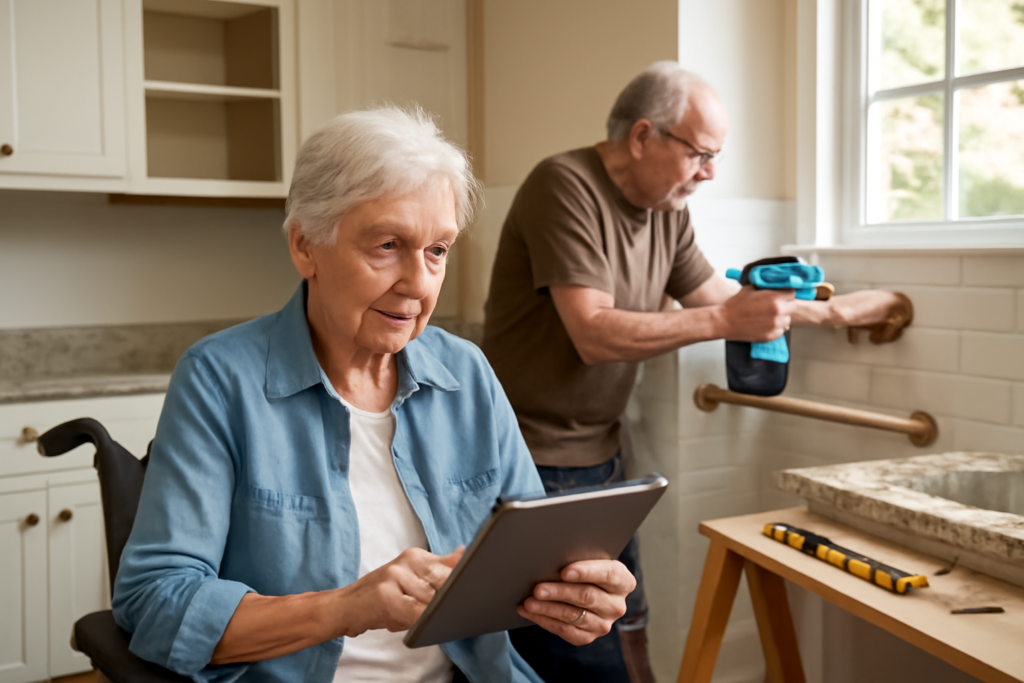
Most older adults say they want to stay in their own homes for as long as possible, yet the average house is full of small hazards that make that harder than it needs to be. Thoughtful aging in place renovations remove those obstacles before they become emergencies, letting you or a loved one live safely and independently for years to come. The good news is that many of the most effective upgrades cost far less than a single month in assisted living. This guide walks through the changes that matter most.
- Start With a Room-by-Room Safety Audit
- Bathroom Upgrades That Prevent Falls
- Widen Doorways and Hallways for Mobility
- Flooring Choices for Safer Footing
- Kitchen Modifications for Independence
- Lighting, Hardware, and Easy Wins
- Planning for Single-Floor Living
- Bedroom and Closet Adjustments
- Smart Technology That Supports Independence
- Budgeting and Phasing the Work
Start With a Room-by-Room Safety Audit
Before swinging a hammer, walk through the home looking for trip hazards, tight spaces, and anything that requires bending, reaching, or balancing. Pay special attention to the bathroom and stairs, where the majority of home injuries among older adults occur. Note loose rugs, dim lighting, slippery flooring, and steps without sturdy handrails.
A certified aging-in-place specialist (CAPS), available through many remodeling contractors, can perform a professional assessment. If you prefer to start small, fix the obvious dangers first and phase the larger projects over time.
Bathroom Upgrades That Prevent Falls
The bathroom is the single highest priority. Wet, hard surfaces and confined quarters create real danger, but a handful of upgrades change that dramatically.
- Grab bars: Install them near the toilet and inside the shower, anchored into wall studs or solid blocking, rated to hold at least 250 pounds. Decorative bars now look like towel rails, so there is no institutional feel.
- Curbless shower: A zero-threshold, roll-in shower removes the lip people trip over and accommodates a wheelchair or shower bench. Add a handheld sprayer and a built-in seat.
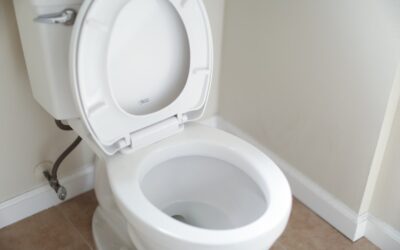
- Comfort-height toilet: At roughly 17 to 19 inches tall, these reduce the strain of sitting and standing.
- Slip-resistant flooring: Textured porcelain tile or sheet vinyl with a high slip rating beats polished stone.
Budget roughly $1,500 to $4,000 for grab bars, a comfort-height toilet, and improved lighting, while a full curbless shower conversion typically runs $5,000 to $12,000 depending on size and finishes.
Widen Doorways and Hallways for Mobility
Standard interior doors are often only 28 to 30 inches wide, too narrow for a walker or wheelchair. Aim for clear openings of at least 32 inches, and 36 inches where possible. Hallways should ideally be 36 to 42 inches wide. Swing-clear hinges add about two inches of clearance for a fraction of the cost of moving a wall. Where full widening is not in the budget, these hinges are an easy win.
Flooring Choices for Safer Footing
Flooring deserves careful thought because it affects both safety and ease of movement. Choose surfaces that are firm, level, and slip resistant. Luxury vinyl plank and low-pile commercial carpet both roll easily under wheels and cushion falls better than tile. Avoid high-pile carpet, which grabs walker feet, and steer clear of thick area rugs unless they are taped down on all edges. Keep transitions between rooms flat; even a half-inch threshold can catch a toe or wheel.
Kitchen Modifications for Independence
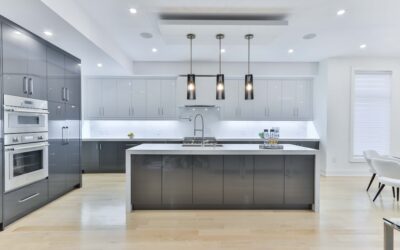
A few kitchen changes keep cooking safe and enjoyable. Pull-out shelves and lazy-Susan corner units bring contents to you instead of forcing a reach into deep cabinets. A wall oven set at counter height removes the need to bend over a hot range, and a side-opening door is easier to manage. Lever-style faucets and rocker light switches work without a tight grip, which helps anyone with arthritis. Lower a section of countertop to 30 inches if a seated cook will use the space.
Lighting, Hardware, and Easy Wins
Many high-impact upgrades are inexpensive and quick to install:
- Swap round doorknobs for lever handles that open with a push, not a twist.
- Add motion-activated night lights along the path from bedroom to bathroom.
- Increase overall light levels; aging eyes need two to three times more light than younger ones.
- Install sturdy handrails on both sides of every staircase.
- Replace small rocker or toggle switches with larger paddle switches.
Planning for Single-Floor Living
If the home has more than one story, consider whether daily life can shift to the main level. A first-floor bedroom and full bathroom let someone avoid stairs entirely if mobility declines. Where stairs cannot be avoided, a chair lift costs roughly $3,000 to $6,000 for a straight run and far less than relocating. Plan a no-step entrance at one exterior door, using a gentle ramp or a graded walkway, so getting in and out never depends on managing steps.
Bedroom and Closet Adjustments
The bedroom should support both rest and easy movement. Position the bed so there is clearance on both sides for a walker or wheelchair, ideally at least 36 inches. A bed height around 20 to 23 inches makes getting in and out easier on the knees and hips. In the closet, lower a section of the hanging rod and add pull-down units so clothing stays within reach without a step stool. Adjustable shelving lets the space adapt as needs change over time.
Good lighting matters here too. A lamp within arm’s reach of the bed, paired with a motion-activated night light, means no one has to cross a dark room to find a switch. Keep the path from the bed to the bathroom clear of cords, furniture, and loose rugs, since this is the route most often traveled at night.
Smart Technology That Supports Independence
Modern devices add a layer of safety without feeling clinical. Consider these practical additions:
- Voice-controlled lights and thermostats that work without reaching a switch
- Video doorbells so the resident can see visitors without rushing to the door
- Medical alert systems with fall detection for emergencies
- Smart smoke and carbon monoxide detectors that send phone alerts
- Leak sensors under sinks and near water heaters to catch problems early
These tools are increasingly affordable and easy to install, and they give both residents and family members peace of mind.
Budgeting and Phasing the Work
You do not need to do everything at once. Tackle the highest-risk items first, usually the bathroom and entry, then phase in the rest as time and money allow. Keep all work compliant with local building codes and pull permits for plumbing, electrical, and structural changes. Some areas offer grants or tax credits for accessibility improvements, so check with your local agency on aging. Spending wisely now on aging in place renovations protects both your safety and the long-term value of your home.