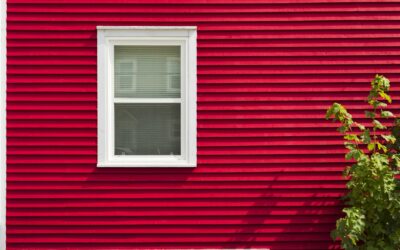
The paint aisle has changed. Where you once needed a separate can of primer, a can of paint, and sometimes a topcoat, today’s all in one paint colors bundle primer and pigment into a single self-priming can. That means fewer trips up the ladder, less product to buy, and a finished room in a fraction of the time. But not every color performs equally in a paint-and-primer formula, and knowing which shades cover well can save you a frustrating third coat.
- What "All in One" Paint Really Means
- Best All in One Paint Colors for Coverage
- Choosing the Right Sheen
- How Many Coats Will You Need?
- Testing Colors Before You Commit
- Application Tips for a Flawless Finish
- Popular Color Families and Where They Work
- Surface Prep Still Matters
- Quality Tiers and What You Pay For
- Are All in One Paints Worth It?
What “All in One” Paint Really Means
Paint-and-primer-in-one products carry a higher solids content and thicker body than standard wall paint. That extra pigment and resin lets a single product both seal the surface and lay down color, doing the work two separate cans used to handle. On a clean, previously painted wall in good condition, one coat of a quality all-in-one often covers completely.
The important caveat: these paints are not true primers. Over bare drywall, raw wood, stains, or a dramatic color change, a dedicated primer still wins. Think of all-in-one as a time-saver for refresh jobs, not a miracle for problem surfaces.
Best All in One Paint Colors for Coverage
Some colors hide the old surface better than others, and choosing wisely means fewer coats. Mid-tone and warm neutrals are the easiest to apply:
- Warm greige and soft taupe: Forgiving, on-trend, and cover in one coat over most existing wall colors.
- Mid-tone gray: Modern and neutral, with enough pigment to bury a previous shade.
- Soft sage and muted green: Popular right now and surprisingly opaque in premium formulas.
- Classic off-white and cream: Bright and clean, though white always benefits from two coats for even sheen.
The trickiest colors are deep reds, bright yellows, and vivid blues. These use transparent organic pigments that need a tinted primer underneath to reach full richness, all-in-one label or not. If your heart is set on a bold accent wall, plan for two or three coats.
Choosing the Right Sheen
Color is only half the decision. Sheen affects both durability and how the color reads on the wall. Flat and matte finishes hide surface imperfections and make colors look deep and velvety, ideal for ceilings and low-traffic bedrooms. Eggshell and satin add a subtle glow and wipe clean more easily, making them the go-to for living rooms and hallways.
For kitchens, bathrooms, trim, and doors, step up to semi-gloss, which resists moisture and scrubs clean. The same color can look noticeably lighter in a glossier sheen because it reflects more light, so always test your chosen color in the exact sheen you plan to buy.
How Many Coats Will You Need?
The marketing promises one coat, and for the right situation that holds true. A light-to-medium color change on a smooth, clean, previously painted wall usually covers in a single pass. But be realistic about these scenarios that demand a second coat:
- Going lighter over a dark existing color
- Any bright or saturated hue with transparent pigments
- Fresh drywall, patched spots, or bare wood
- Covering water stains, smoke, or crayon (spot-prime these first)
A gallon of all-in-one covers roughly 350 to 400 square feet per coat, so measure your walls and buy accordingly. Running out mid-wall and getting a slightly off-batch gallon later can leave a visible seam.
Testing Colors Before You Commit
Never choose a color from a tiny chip under store lighting. Paint reads completely differently at home, shifting warmer or cooler with your light bulbs, window orientation, and the colors of your furniture and flooring. Buy sample pots or peel-and-stick swatches and put them on at least two walls.
Watch each sample at morning, midday, and night. North-facing rooms cast a cool, bluish light that can make warm colors go muddy, while south-facing rooms flood with warm light that intensifies everything. A gray that looked perfect in the store can turn lavender or green once it is on your particular wall.
Application Tips for a Flawless Finish
Because all-in-one paints are thicker, technique matters. Use a quality 3/8-inch nap roller for smooth walls and a 1/2-inch nap for textured surfaces. Cut in the edges with a good angled brush, then roll while the cut-in paint is still wet to blend the two seamlessly and avoid picture-framing.
Do not overwork the paint. These thicker formulas can start to dry and drag if you keep rolling the same area, leaving lap marks. Load the roller well, work in three-foot sections, and maintain a wet edge. Give the first coat the full recoat time on the label, usually two to four hours, before deciding whether you need a second.
Temperature and airflow affect the finish too. Most latex all-in-one paints apply best between 50°F and 85°F, and painting in a cold or overly humid room slows drying and can leave the surface tacky. Keep a fan running for gentle air circulation, but avoid blasting the wet wall directly, which can dry the surface too fast and trap lap marks. Between coats, wrap your roller and brush in plastic to keep them workable without rinsing, saving both time and paint over a multi-coat job.
Popular Color Families and Where They Work
Choosing a color is easier when you think in families and match them to the room’s job. Warm neutrals like greige, tan, and cream create cozy, welcoming living rooms and bedrooms and flatter both wood and white trim. Cool grays and soft blues feel calm and modern, working well in bathrooms, home offices, and contemporary spaces.
Greens are having a strong moment, from muted sage to deep forest, and they bring a grounded, natural feel to kitchens and dens. For high-drama accent walls, deep navy, charcoal, and rich terracotta add depth, though remember these saturated shades need extra coats. Whites and off-whites remain the safest, brightest choice for ceilings, trim, and rooms you want to feel larger and airier.
Surface Prep Still Matters
Even the best paint-and-primer cannot skip proper preparation. Wash grimy or greasy walls, especially in kitchens, with a mild degreaser so the paint bonds instead of peeling. Fill nail holes and dents with spackle, sand them smooth, and wipe away the dust. Glossy existing surfaces need a light scuff-sanding to give the new paint something to grip.
Spot-prime any problem areas separately: water stains, smoke damage, and bold marker or crayon will bleed through even a self-priming paint unless you seal them first with a dedicated stain-blocking primer. Skipping these steps is the fastest way to a blotchy result that no number of coats will fully hide.
Quality Tiers and What You Pay For
All-in-one paints span a wide price range, and the cheapest gallons cut the corners that matter. Budget lines carry less pigment and thinner resin, so they need more coats and cover poorly, erasing the time savings the category promises. Premium formulas pack in more titanium dioxide and higher-quality binders, which is what delivers genuine one-coat coverage and a durable, scrubbable finish.
Expect to pay $35 to $65 a gallon for a quality all-in-one paint, versus $20 to $30 for a bargain line. For a job you want to last years and cover in a single pass, the premium gallon is almost always the better value, since it saves both a second coat and an early repaint.
Are All in One Paints Worth It?
For most repaint jobs, yes. If you are refreshing a room that already has decent walls, an all-in-one paint saves you real time and money by cutting out a separate priming step. Choose a mid-tone neutral for the easiest coverage, match your sheen to the room’s use, and test the color at home before you commit a whole weekend to it. Save the dedicated primer for bare surfaces and dramatic color changes, and let these convenient formulas handle the everyday refreshes they were built for.