Swapping out rotted plywood for the last time is the dream that sells most people on aluminum trailer flooring. Extruded aluminum deck planks don’t rot, don’t soak up moisture, and shrug off the abuse that destroys wood floors in utility, livestock, and equipment trailers. They cost more up front and behave differently underfoot, though, so this guide lays out where aluminum decking shines, where wood still wins, and how to spec a floor that lasts the life of the trailer.
What Aluminum Trailer Flooring Actually Is
Most aluminum trailer floors are built from extruded plank sections, typically interlocking boards roughly 6 to 12 inches wide that snap or bolt together across the trailer frame. The extrusion process creates hollow internal chambers that add stiffness without adding much weight, and many planks include built-in drainage channels or gaps that let water, mud, and waste fall through rather than pool on the deck.
You’ll find this decking on horse and livestock trailers, dump trailers, landscape and utility trailers, and ATV haulers. The same interlocking aluminum systems also show up as upgrade kits for trailers that originally shipped with wood.
The Pros
Aluminum earns its premium in a handful of clear ways.
- No rot, no rust: Aluminum doesn’t absorb water and won’t corrode like steel, which is the number-one killer of trailer floors.
- Drainage: Channeled planks self-clear water and debris, critical for livestock and dump applications.
- Light yet strong: Hollow extrusions cut weight versus thick treated lumber, helping payload capacity and fuel economy.
- Low maintenance: A pressure wash is usually all it takes; no sealing, painting, or board replacement.
- Long lifespan: A quality aluminum deck routinely outlasts several wood floors.
The Cons
There are real tradeoffs to weigh before you commit.
- Higher upfront cost: Aluminum decking typically runs two to four times the price of treated plywood or pine planks.
- Slippery when wet: Smooth aluminum can get slick, so look for textured or treadplate surfaces, especially for livestock footing.
- Noise and heat: Metal transmits more road noise and can get hot in direct sun, a consideration for animal trailers.
- Galvanic corrosion risk: Aluminum in contact with bare steel can corrode over time without proper isolation hardware.
Aluminum vs. Wood Trailer Flooring
Wood isn’t obsolete; it’s just a different tool. Treated wood is cheaper, quieter, provides natural traction, and is easy to repair board by board with common lumber. Its weaknesses are exactly aluminum’s strengths: it absorbs moisture, rots, harbors odors in livestock use, and needs periodic replacement.
A practical rule of thumb: choose aluminum when longevity, drainage, and low maintenance justify the cost, such as on horse trailers or trailers that haul wet or corrosive loads. Stick with wood when budget is tight, the trailer sees light or seasonal use, or you want a softer, quieter, easily patched surface.
Spec Considerations Before You Buy
The right floor depends on what you haul and how the trailer is built.
- Plank thickness and rating: Match the load. Equipment and dump trailers need heavier-gauge extrusions than a light utility trailer.
- Crossmember spacing: Decking is rated for a maximum support spacing. Confirm your frame matches the plank’s span rating.
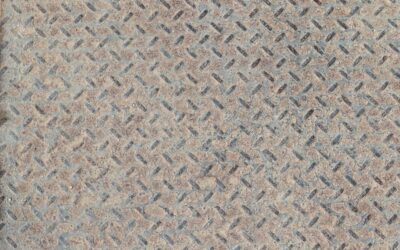
- Surface texture: Diamond or raised-tread surfaces improve grip for both animals and operators.
- Fastening system: Bolt-down and interlocking systems differ in how easy they are to install and later remove.
- Width and length: Confirm plank dimensions match your trailer’s deck so you minimize cutting and waste.
Installation Basics
Replacing a wood floor with aluminum is a doable weekend project for a mechanically inclined owner, though larger trailers go faster with two people. Remove the old decking, inspect and clean the crossmembers, and treat any surface rust on a steel frame. Use isolation tape or anti-corrosion compound where aluminum meets steel to prevent galvanic corrosion. Lay and interlock the planks, then secure them with the manufacturer’s fasteners at the recommended spacing. End caps and trim finish the edges and keep debris out of the hollow chambers.
What It Costs
Pricing varies with plank gauge and trailer size, but extruded aluminum decking commonly runs $8 to $20 per square foot for materials alone, with heavier-duty profiles at the top of that range. A full re-deck on a typical 6-by-12 utility trailer can land anywhere from $700 to $1,800 in materials, plus your labor if you DIY. Compare that against repeat plywood replacements over a decade, and aluminum often pencils out for trailers in regular service.
Maintenance and Longevity
One of aluminum’s biggest selling points is how little it asks of you. There’s no sealing, painting, or annual board replacement. A periodic pressure wash clears mud, manure, and road grime out of the drainage channels, and that’s typically the whole maintenance routine. The hollow chambers can trap debris over time, so flushing them out keeps water moving freely and prevents standing moisture that could attack any exposed steel underneath.
Inspect the fasteners and end caps once or twice a year, tightening anything that’s worked loose from road vibration. Check the anti-corrosion isolation at any aluminum-to-steel contact points, since a compromised barrier is the one thing that can shorten an aluminum floor’s otherwise very long life. Treated this way, a quality aluminum deck routinely serves a decade or more without major attention.
Safety and Traction Considerations
Smooth aluminum gets slick, and that matters most for livestock and for anyone walking the deck while loading. Diamond-tread or raised-pattern surfaces dramatically improve grip and are worth the small premium for horse, cattle, and utility trailers alike. For animal trailers, rubber mats laid over the aluminum deck add cushioning, warmth, and footing while still letting you hose the floor clean underneath. In hot, sunny climates, remember that bare metal heats up fast, so mats also protect animals from a scorching surface on summer days.
The Bottom Line
Aluminum trailer flooring is a buy-it-once upgrade for owners who are tired of rotting boards and value drainage, low weight, and minimal maintenance. The higher purchase price and the need for slip-resistant texture and proper steel isolation are the main caveats. Match the plank rating to your loads and crossmember spacing, and you’ll likely never re-deck that trailer again.
Prefer to explore on your own?
See how new flooring looks in your actual room in seconds — free, no signup.
Try the free Floor Studio →