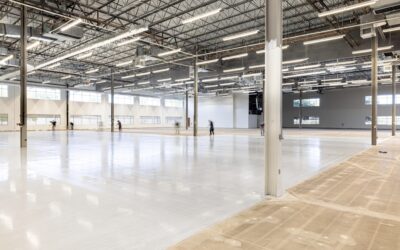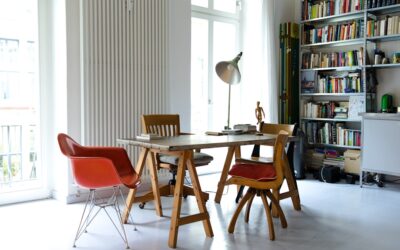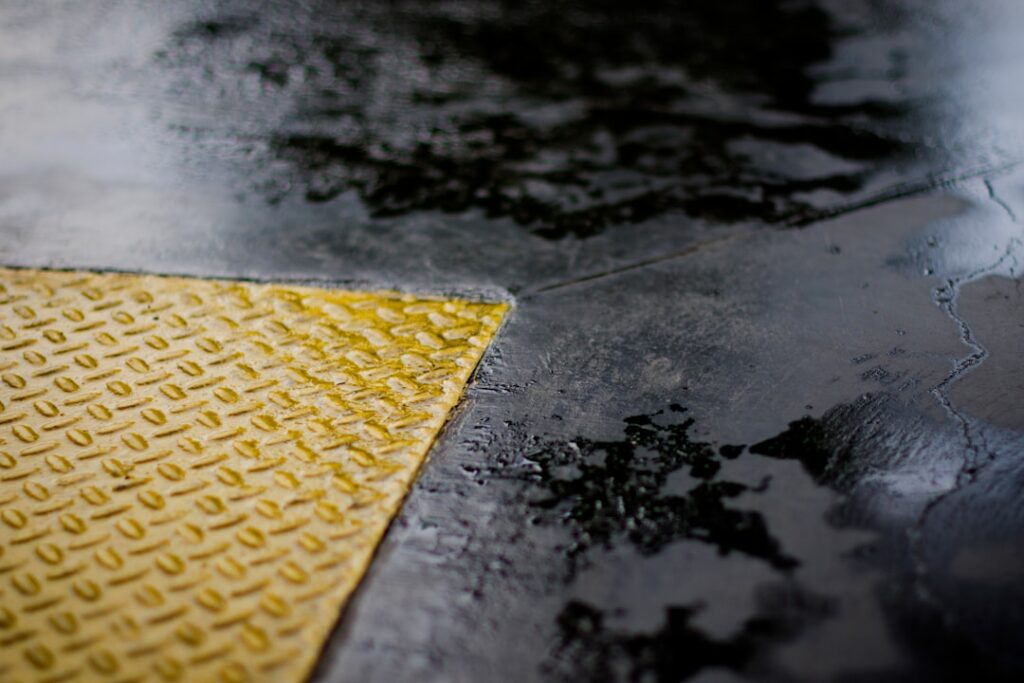
Anti slip resin flooring solves a problem that costs American businesses billions each year: slick floors that send people falling. By blending a seamless resin coating with a fine aggregate that adds grip, this flooring turns a hazardous wet surface into one you can walk across confidently in work boots or bare feet. You will find it in commercial kitchens, factory floors, hospital corridors, and increasingly in home garages and basements. This guide covers where the material makes the most sense, the safety and durability benefits behind its popularity, and what you can expect to pay to have it installed correctly.
What Is Anti Slip Resin Flooring?
At its core, this is a poured or troweled resin coating, usually epoxy or polyurethane, that bonds to a concrete slab and cures into a hard, seamless surface. The anti-slip quality comes from broadcasting a texturing aggregate, most often aluminum oxide or fine silica sand, into the wet resin before it sets. That embedded grit creates thousands of tiny high points that grab the sole of a shoe even under a film of water, oil, or grease.
The result is a floor with no seams or grout lines for water to seep into and no smooth patches to skate across. Installers can dial the texture from a light, sandpaper-like feel suitable for barefoot areas to an aggressive, coarse profile for greasy industrial zones.
Where to Use Anti Slip Resin Flooring
The material earns its keep anywhere floors get wet, oily, or heavily trafficked. The most common applications include:
- Commercial kitchens: Grease and water make tile lethal; textured resin keeps staff upright during a rush.
- Food and beverage plants: Wash-down areas and cold rooms need a floor that grips and resists constant moisture.
- Healthcare and labs: Seamless, cleanable, and slip-safe for corridors and wet procedure rooms.
- Warehouses and factories: Handles forklift traffic and spilled fluids without becoming a hazard.
- Garages and workshops: Resists dropped tools, oil drips, and hot tire pickup while adding grip.
- Ramps, walkways, and pool decks: Sloped or splash-prone surfaces where footing matters most.
Key Benefits
Safety and Slip Ratings
The headline benefit is fall prevention. Slip resistance is measured by a coefficient of friction, and a well-specified anti slip resin floor typically hits an R-rating of R11 to R13, the range recommended for wet commercial areas. In a kitchen or entryway, that difference can be the line between a busy shift and a workers’ compensation claim.
Durability
Cured resin floors are tough. A quality 2 to 3 mm system withstands 15 to 20 years of foot and light vehicle traffic, resisting abrasion, chemicals, and impact far better than paint or bare concrete. Polyurethane systems in particular tolerate thermal shock, shrugging off hot spills and steam cleaning without cracking.
Hygiene and Easy Cleaning
Because the surface is seamless and non-porous, dirt and bacteria have nowhere to hide. That makes it a favorite in food processing and healthcare, where it can be hosed and sanitized daily. The texture that adds grip is fine enough that it still mops and scrubs clean without trapping grime.
Epoxy vs. Polyurethane Resin
The two main resin families each suit different jobs, and choosing correctly matters.
- Epoxy: Very hard, strong, and affordable. Best for dry-to-moderate traffic areas like garages, showrooms, and warehouses. It can yellow under UV and is less forgiving of thermal shock.
- Polyurethane (PU): More flexible and heat-resistant, handling temperatures from freezer rooms to steam wash-down. It is the standard for commercial kitchens and food plants but costs more.
Many installations use a hybrid, an epoxy base coat for adhesion and strength topped with a polyurethane wear layer for flexibility and UV stability. For a home garage, a straight epoxy anti slip system is usually plenty.
How It Is Installed
A durable result depends almost entirely on surface prep. The typical process runs:
- Prep the concrete: Grind or shot-blast the slab to open the pores and remove any old coating, then vacuum clean.
- Repair and prime: Fill cracks and pits, then roll on a primer coat so the resin bonds tightly.
- Apply the base coat: Pour and spread the first resin layer.
- Broadcast the aggregate: Scatter aluminum oxide or silica into the wet resin to build the anti-slip texture.
- Seal it: Apply a clear top coat that locks the grit in place and sets the final texture.
Each coat needs proper cure time, and the slab should be dry with a moisture reading below the manufacturer’s limit. Rushing prep or coating a damp slab is the number-one cause of resin floors peeling later.
Cost of Anti Slip Resin Flooring
Pricing varies with system thickness and site condition, but expect a professional install to land somewhere in these ranges:
- Basic epoxy anti-slip coating: $4 to $7 per square foot
- Mid-grade epoxy or hybrid system: $7 to $11 per square foot
- Heavy-duty polyurethane cement system: $10 to $16 per square foot
For a 500-sq-ft commercial kitchen, budget roughly $5,000 to $8,000 installed. DIY epoxy kits exist for garages and can cut material cost to $2 to $4 per square foot, but they lack the aggressive slip texture and longevity of a professionally broadcast aggregate system.
Maintenance and Longevity
Upkeep is refreshingly simple. Sweep or dust-mop daily, and deck-scrub with a stiff brush and neutral cleaner to lift grease out of the texture; a flat mop alone tends to skim over the high points. Avoid highly acidic cleaners that can dull the resin. Reseal high-traffic zones every 5 to 10 years to refresh the surface, and a well-maintained floor easily reaches two decades of service.
Choosing the Right Texture Level
Grip is not one-size-fits-all, and picking the wrong texture causes as many complaints as too little grip does. A very aggressive, coarse finish grabs boots in a greasy kitchen but is uncomfortable underfoot in a barefoot area and traps dirt that is harder to scrub out. A light, sandpaper-like texture cleans easily and suits showrooms or light-traffic zones but may not be enough where oil pools.
- Light texture: Retail floors, offices, dry warehouses.
- Medium texture: Garages, workshops, general commercial areas with occasional spills.
- Heavy texture: Commercial kitchens, wash-down bays, ramps, and freezer rooms.
Ask your installer for a sample panel in the aggregate grade you are considering and test it wet with the footwear people will actually use. Matching the grit to the real conditions is what makes the floor both safe and livable.
DIY vs. Professional Installation
Home garage kits let you roll on an epoxy coating and broadcast a fine aggregate yourself for $2 to $4 per square foot, which is fine for a low-stakes personal space. For any commercial or wet-area floor, though, hire a pro. The difference is in surface prep: contractors diamond-grind or shot-blast the slab to create a mechanical bond that a wiped-clean DIY floor cannot match, and they test slab moisture to prevent the peeling that ruins amateur jobs. A professionally installed system also carries a warranty and a documented slip rating, which matters for insurance and liability in a business.
Final Thoughts
Anti slip resin flooring is a smart investment anywhere footing safety, hygiene, and durability all matter at once. It transforms slick concrete into a seamless, grippy, easy-clean surface that pays for itself the first time it prevents a fall. Match the resin type to your environment, insist on thorough surface prep, and choose an appropriate slip rating for how wet the floor gets. Do that, and you get a floor that keeps people safe and stays looking sharp for 15 to 20 years.
Prefer to explore on your own?
See how new flooring looks in your actual room in seconds — free, no signup.
Try the free Floor Studio →