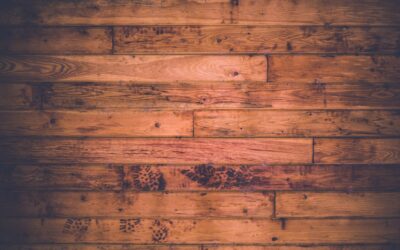
“Antico” means “ancient” in Italian, and in the flooring industry the term has come to describe a specific look: heavily distressed, hand-scraped or wire-brushed wide planks finished to mimic 200-year-old reclaimed timber, but built on a modern engineered core. Antico flooring as a category includes products from European mills, US-based artisanal manufacturers, and Italian-influenced brand lines that emphasize aging effects like dark knots, saw marks, fumed color shifts, and rolled bevel edges. Pricing runs the gamut from $5 per square foot for budget Antico-style imports to $24 per square foot for genuine reclaimed-timber products. The decision really comes down to how much authenticity matters versus how much you want to spend.
What Antico Flooring Actually Means
The term covers four distinct product categories that sometimes get marketed under the same umbrella:
- Genuine reclaimed antique flooring: Old-growth timber harvested from barns, factories, and demolished buildings, milled into modern planks with original peg holes and patina intact
- New oak with antique processing: Modern European oak fumed with ammonia, smoked, or oxidized with iron acetate to mimic age
- Antico-style engineered hardwood: 4 to 6 mm sliced oak wear layer over a stable core, finished with hand-distressed, wire-brushed, or reactive-stained surfaces
- Antico-print laminate or LVP: Modern synthetic floors with high-resolution printing of antique wood looks
The price gap between these tiers is enormous. Authentic reclaimed runs $14 to $24 per sq ft material only; engineered Antico-style runs $7 to $14; printed laminate or LVP at the same look runs $3 to $6. The right choice depends on whether the floor will be inspected up close by someone who knows what reclaimed timber looks like, or whether the look at room-distance is all that matters.
How Aging Effects Are Created
Modern Antico engineered hardwood uses several techniques to achieve the aged look:
- Fuming: Exposure to ammonia vapor for 24 to 72 hours, which reacts with tannins in oak to produce deep brown tones throughout the wood (not just the surface)
- Smoking: Heat and smoke treatment that darkens and stabilizes the wood
- Wire brushing: Steel wire wheels remove soft early-wood grain to leave the harder late-wood raised, producing a textured surface
- Hand scraping: Manual draw knife or scraper work to create irregular surface relief
- Reactive staining: Iron acetate or other metallic salts that react chemically with wood tannins to produce gray, black, or weathered tones
- Distressed edges: Routed or hand-shaped plank edges that read as worn from decades of foot traffic
The combination of two or three of these techniques is what produces the convincing Antico look. Single-technique products read as obviously new wood pretending to be old.
Pricing by Authenticity Level
Mid-2026 US market pricing for Antico flooring:
- Genuine reclaimed antique oak or chestnut, engineered: $14 to $22 per sq ft
- Genuine reclaimed solid: $18 to $30 per sq ft
- Fumed European oak, 7-inch wide engineered: $9 to $14 per sq ft
- Wire-brushed and reactive-stained European oak: $8 to $13 per sq ft
- Antico-style 5-inch engineered, basic distressing: $5 to $8 per sq ft
- Antico-print laminate, AC4: $2.99 to $4.49 per sq ft
- Antico-print LVP, 20 mil: $4.49 to $6.49 per sq ft
Add $4 to $9 per square foot for installation. Wide-plank Antico engineered hardwood is almost always glue-down only; floating installations are not warrantied above 7-inch widths by most manufacturers.
Brand Spotlight: Carlisle Wide Plank and Mirage Sweet Memories
Two products define the high and middle of the Antico flooring market. Carlisle Wide Plank Floors (New Hampshire) produces genuine reclaimed antique oak and chestnut, milled from 150- to 300-year-old timber pulled from East Coast barns. Their Antique Heart Pine and Antique Oak collections retain original surface character including peg holes, axe marks, and worm tracks. Pricing: $18 to $28 per sq ft for engineered, $24 to $40 for solid. Lead times: 6 to 14 weeks.
Mirage’s Sweet Memories collection delivers the Antico look at half the price using modern Quebec hard maple and European oak with proprietary aging treatments. The 5-inch and 7-inch engineered planks carry a 3 mm wear layer, factory UV oil-and-lacquer finish, and pricing of $9 to $13 per sq ft. Distribution is wider than Carlisle, with showroom samples available at NWFA-certified dealers nationally.
Pros That Win the Antico Buyer
The look is genuinely architectural. A well-installed Antico hardwood floor anchors a room in a way that newer flooring categories cannot, particularly in older homes (pre-1960) and in modern farmhouse, French country, and Italian villa interiors.
Damage hides well. The distressed surface absorbs dents, scratches, and pet claw marks because the floor already reads as worn. A normal scratch on a Prime-grade smooth oak is glaring; the same scratch on Antico distressed oak disappears into the surface texture.
The hard-wax oil and natural oil finishes typical on Antico floors are spot-repairable. Local damage gets sanded lightly and re-oiled without refinishing the entire room.
Cons Worth Weighing
Cleaning is harder. The textured surface holds dirt in the wire-brushed grooves and hand-scraped depressions. Standard vacuums with hard-floor heads work; broom sweeping leaves behind too much fine debris. Plan for vacuuming and damp mopping with WOCA Natural Soap or Bona Hardwood Floor Cleaner.
Installation is more demanding. The pre-finished, oiled surface is easier to damage during install than a polyurethane-finished floor. Use only manufacturer-approved adhesives; Bostik Best, Mapei Ultrabond ECO 980, or Sika PowerCure are the common specifications. Avoid drying compounds and harsh primers that can react with the oil finish.
Cost is significant. A 1,500 sq ft main floor in genuine reclaimed Antico oak with professional installation easily reaches $35,000 to $50,000. The engineered Antico-style product cuts that nearly in half but still costs more than mass-market engineered hardwood.
Installation Requirements
Antico engineered hardwood installation follows the wide-plank engineered standard:
- ASTM F2170 in-situ moisture testing on concrete subfloors (must read below 75% RH)
- Subfloor flatness within 1/8 inch over 6 feet
- Full-spread glue-down with urethane or modified silane adhesive
- Acclimation 7 to 10 days in conditioned space before installation
- Humidity control 35% to 55% RH year-round in the finished space
Genuine reclaimed solid flooring uses traditional nail-down installation over plywood subfloor, 1-3/4 inch cleats at 8 to 10 inch spacing, with a slip sheet of rosin paper or Aquabar B between subfloor and flooring.
Where Antico Flooring Belongs
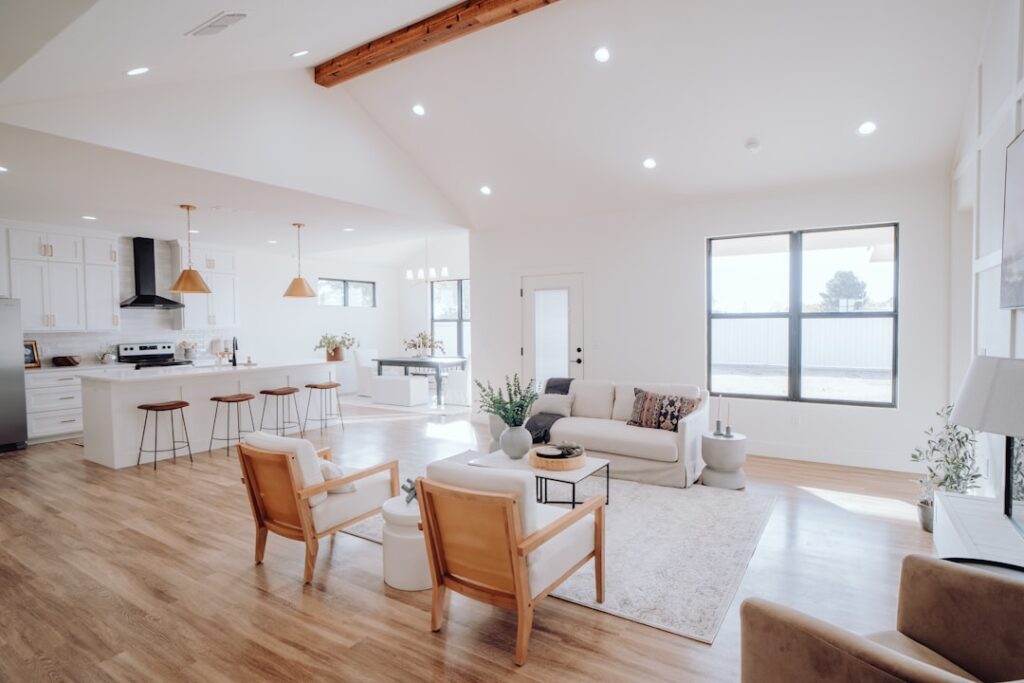
Best fits: formal living rooms, dining rooms, primary bedrooms, libraries, and historic-style new construction or renovation projects. Acceptable: open-plan kitchens with careful spill management and oil finish maintenance. Avoid: bathrooms, mudrooms, and basements with humidity above 60% RH.
For most buyers drawn to the Antico look but unwilling to spend $20 per square foot, a 7-inch wide fumed European oak engineered product at $10 to $13 per sq ft delivers the visual impact with modern performance. Get samples in your actual lighting and at room scale, verify the wear-layer thickness, and budget the install with an NWFA-certified contractor who has experience with wide-plank pre-finished hardwood.
Prefer to explore on your own?
See how new flooring looks in your actual room in seconds — free, no signup.
Try the free Floor Studio →