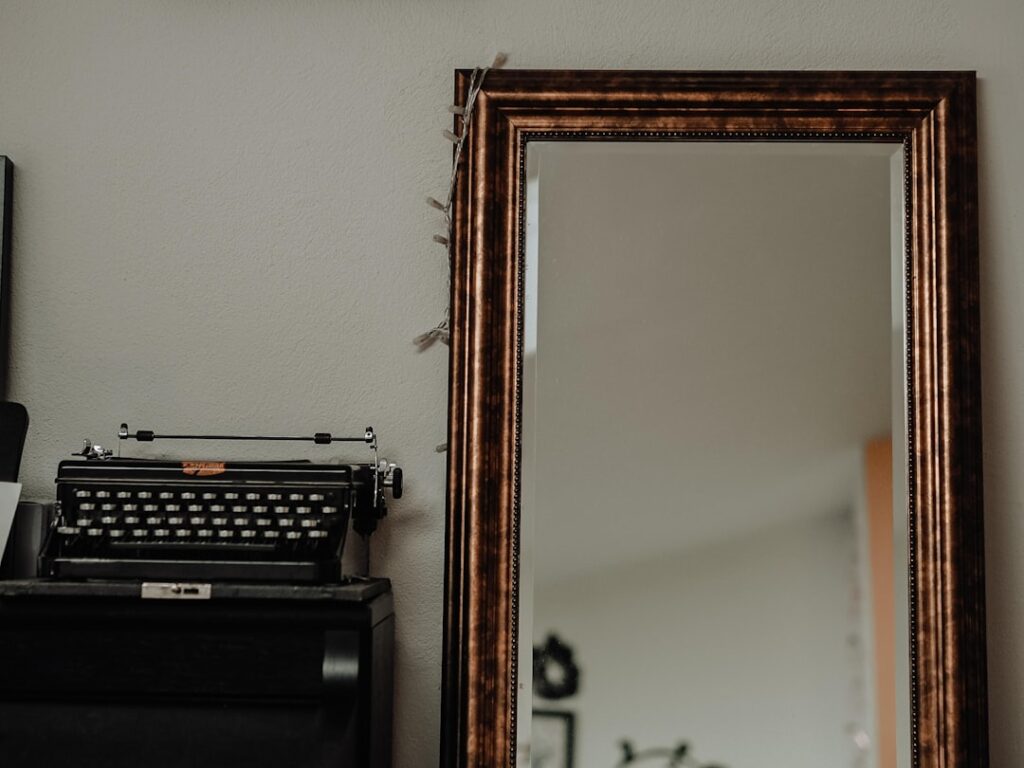
An antique floor mirror is a statement piece that brings history, elegance, and a sense of grandeur to a room while doing the practical work of bouncing light and creating the illusion of space. Whether it is a genuine vintage find with an ornate gilded frame or a quality reproduction with aged character, a tall leaning or standing mirror anchors a wall and adds instant sophistication that newer pieces struggle to match.
This guide covers how to identify and choose one, where to place it for maximum effect, how to secure it safely, and how to care for delicate antique glass and finishes.
What Makes a Floor Mirror “Antique”
Technically, antique refers to pieces generally at least 100 years old, while vintage covers newer-but-older items, and many beautiful mirrors sold today are antique-style reproductions. All three can deliver the look. Genuine antiques often feature hand-carved or gilded wood frames, cheval (tilting) stands, and original mercury or silvered glass that may show speckling or darkening at the edges, a desirable patina collectors prize.
That foxing and slight distortion in the glass is part of the charm, signaling age and authenticity. Reproductions mimic these traits with distressed finishes and antiqued mirror coatings, giving you the aesthetic without the fragility or cost of a true antique.
Common Styles to Know
- Cheval mirror: A full-length mirror mounted in a freestanding frame that tilts on pivots, a classic antique form.
- Leaning floor mirror: A large mirror designed to rest against the wall at a slight angle for a relaxed, oversized look.
- Gilded or ornate-frame mirror: Featuring carved, gold-leafed, or heavily detailed frames in styles like Baroque, Rococo, or Victorian.
- Trumeau mirror: A tall, often French-inspired mirror with decorative paneling above the glass.
Choosing the Right Mirror
Scale and condition are the two things to weigh most. A floor mirror should be substantial enough to make an impact, typically tall enough to show a full reflection, but proportional to the wall and room so it does not overwhelm. Measure your space and the path to it, since large antique mirrors are heavy and awkward to maneuver.
Inspect the condition carefully. For genuine antiques, light foxing adds character, but check the frame for stability, woodworm, loose joints, and flaking gilding. Confirm the glass is intact and the stand or hardware is sound. With reproductions, judge the quality of the frame finish and the realism of any antiqued effect.
Where to Place an Antique Floor Mirror
Placement multiplies a mirror’s impact. Position it opposite or adjacent to a window so it reflects natural light deeper into the room, brightening the space and making it feel larger. An entryway is a classic spot, both welcoming and practical for a last look before heading out.
In a bedroom, a floor mirror near the closet serves daily use while adding glamour. In a living or dining room, leaning a grand mirror against the wall creates a focal point and amplifies the sense of space. Be mindful of what the mirror reflects; aim it at something attractive, like a chandelier or art, rather than clutter.
Securing the Mirror Safely
This is the most important practical point. A tall, heavy mirror that leans or stands can be a serious tipping hazard, especially around children and pets. Never rely on a leaning mirror simply resting against the wall.
- Anchor leaning mirrors to the wall with a safety strap or bracket secured into a stud or with appropriate wall anchors.
- For freestanding cheval mirrors, ensure the base is stable and consider anchoring tall ones as well.
- Place the mirror where it will not be bumped in a high-traffic walkway.
- Protect the floor with felt pads under the frame to prevent scratching and slipping.
Given the weight, recruit a helper to position large mirrors and lift from the frame rather than the glass.
Caring for Antique Mirrors and Frames
Antique glass and finishes require a gentle hand. Avoid spraying cleaner directly onto the mirror, since liquid can seep behind the glass and worsen the silvering loss that causes black spots. Instead, lightly dampen a soft cloth with a vinegar-and-water solution or a gentle glass cleaner and wipe carefully, then buff dry.
For gilded or painted frames, dust only with a soft, dry brush or cloth and steer clear of water and chemicals, which can damage delicate gold leaf and aged paint. Keep antique mirrors out of direct, prolonged sunlight and away from high humidity, both of which accelerate deterioration of old glass and frames.
Spotting a Genuine Antique vs. a Reproduction
If authenticity matters to you, a few clues help separate genuine antiques from convincing reproductions. Older mirrors often show natural, irregular foxing and slight waviness in the glass that comes from period manufacturing, whereas reproductions apply antiquing in a more uniform, deliberate pattern. The back of an antique mirror typically reveals aged wood, hand-cut backing boards, old nails or fasteners, and signs of genuine wear.
Frames offer evidence too. Hand-carved details, real gold leaf that has worn unevenly, and traditional joinery suggest age, while machine-perfect carving and modern hardware point to newer construction. None of this makes a reproduction inferior for decorating; it simply matters for value and collecting. When buying a high-priced antique, ask about provenance and condition, and buy from a reputable seller.
Decorating Mistakes to Avoid
A grand mirror can misfire if placed carelessly. Avoid hanging or leaning it where it reflects clutter, a messy corner, or an unattractive view, since the mirror doubles whatever sits in front of it. Skipping the safety anchor on a heavy leaning mirror is both a decorating and a serious safety error. Choosing a mirror out of scale, too small to make an impact or so large it overwhelms the wall, also undercuts the effect.
- Point the mirror at light, art, or greenery rather than disorder.
- Always secure leaning and tall mirrors to the wall.
- Match the mirror’s size to the wall and room proportions.
- Keep antique glass and gilded frames away from direct sun and damp.
Is an Antique Floor Mirror Worth It?
For homeowners who want a single piece that adds elegance, light, and character all at once, an antique floor mirror is hard to beat. It works as functional decor and a conversation piece, and even a quality reproduction captures the timeless appeal. Choose the right scale, place it to reflect light and beauty, anchor it securely for safety, and treat the glass and frame with care. Done right, it becomes a lasting centerpiece that elevates the entire room.
Prefer to explore on your own?
See how new flooring looks in your actual room in seconds — free, no signup.
Try the free Floor Studio →