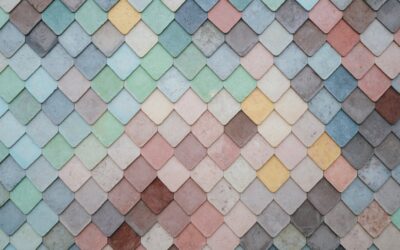
Aqua tile refers to tile in the blue-green family, spanning soft seafoam, bright turquoise, and deep teal, prized for the cool, watery, coastal feeling it brings to a space. Whether lining a swimming pool, wrapping a shower, or forming a kitchen backsplash, aqua-colored tile taps into an instinctive connection between blue-green tones and clean, refreshing water. The shade works across styles, reading tropical in glossy glass and Mediterranean in a hand-glazed ceramic.
Choosing the right aqua tile means balancing color, material, finish, and location. This guide covers the popular material types, the rooms where the color performs best, realistic pricing, and the installation details that keep a blue-green surface looking vibrant for decades.
The Color Range Behind “Aqua”
Aqua is less a single color than a spectrum. Retailers use overlapping names that shift with lighting and glaze:
- Seafoam and mint: Pale, desaturated greens that feel calm and airy.
- Turquoise: The classic vivid blue-green, energetic and eye-catching.
- Teal: A darker, moodier blend that adds drama and depth.
- Caribbean or lagoon blue: Bright, saturated tones popular in pools and spas.
Always view samples in the actual room and at different times of day. Aqua glazes are notoriously sensitive to lighting; a tile that looks minty under warm bulbs can turn distinctly blue in cool daylight.
Common Materials for Aqua Tile
The blue-green look shows up across nearly every tile material, and each brings different strengths:
- Glass: The most vivid option. Light passes into the glass and reflects back, giving aqua glass its jewel-like depth. Ideal for pools and backsplashes.
- Glazed ceramic and porcelain: Durable and affordable, with hand-glazed “zellige” styles offering rich color variation.
- Natural stone: Certain marbles and quartzites carry aqua veining, though true blue-green stone is rare and pricey.
- Pebble and mosaic: Small aqua pieces on mesh sheets create organic, spa-like textures.
For anything submerged in water, glass and fully vitrified porcelain are the safe choices because they absorb almost no moisture.
Best Places to Use Aqua Tile
The color’s water association makes certain rooms natural fits:
- Swimming pools and spas: Aqua glass waterline tile enhances the water’s own color and hides minor staining.
- Bathrooms and showers: Turquoise walls or a teal accent strip evoke a coastal retreat.
- Kitchen backsplashes: A glossy aqua subway tile pops against white cabinets and butcher-block counters.
- Laundry and mudrooms: A cheerful color that resists the utilitarian feel of these spaces.
Because saturated aqua is bold, many homeowners use it as an accent rather than covering every surface. A single teal feature wall paired with neutral floors keeps the look balanced and timeless.
What Aqua Tile Costs
Pricing tracks the material more than the color. Glazed ceramic aqua tile runs roughly $3 to $8 per square foot. Aqua glass mosaics and subway tiles land between $8 and $20. Specialty hand-glazed zellige and imported artisan tiles can reach $15 to $30 per square foot. Pool-rated glass tile, which must withstand chemicals and constant submersion, typically costs $10 to $25.
Installation adds $8 to $20 per square foot depending on complexity. Mosaics and pool applications sit at the higher end because of the layout precision and specialized, waterproof-rated setting materials required.
Installation and Waterproofing
Aqua tile most often lands in wet areas, so waterproofing is critical. Follow these steps for a lasting result:
- Install a waterproof membrane, either a sheet system or a liquid-applied coating, behind all shower and pool tile before setting.
- Use a white thinset with glass and translucent tile so the setting material does not darken the color.
- For pools, choose an adhesive and grout specifically rated for continuous submersion and chemical exposure; standard products fail underwater.
- Grout glass and polished tile with unsanded grout to avoid scratching, and consider an epoxy grout in pools for maximum stain and chemical resistance.
- Maintain consistent grout joints so the color pattern reads cleanly across the wall or floor.
Because glass is translucent, any imperfection in the substrate can show through. Take extra time to flatten and prime the wall before tiling.
Matching Finish to Function
Aqua comes in glossy, matte, and textured finishes, and the right one depends entirely on where the tile lands. Glossy glazes and glass deliver the deepest, most saturated color and reflect the most light, making them the go-to for backsplashes and pool waterlines that stay wet and visible. The downside is that gloss shows water spots and can be slippery underfoot, so it is a poor choice for shower floors.
Matte and satin finishes mute the color slightly but hide spotting and fingerprints, a practical pick for busy kitchen walls. For any floor or wet-area surface you walk on, choose a textured, slip-resistant tile with a coefficient of friction above 0.42. Manufacturers list this figure on the spec sheet, and it is worth confirming before you buy for a shower pan or pool deck.
Design Styles That Love Aqua
The blue-green palette anchors several enduring design directions:
- Coastal and Hamptons: Soft seafoam paired with white shiplap and natural wood evokes the seaside.
- Mediterranean and Moroccan: Hand-glazed turquoise zellige with warm terracotta and brass feels sun-soaked and artisanal.
- Mid-century modern: Glossy teal geometric tile complements walnut cabinetry and clean lines.
- Tropical and resort: Vivid Caribbean blues turn a bathroom or pool into a vacation-style escape.
Committing to a specific style up front helps you choose the exact shade, finish, and shape rather than getting lost among the dozens of blue-green options on a showroom wall. It also guides your grout choice, since a bright white joint keeps a coastal look airy while a warm gray grout deepens a Mediterranean scheme and makes the aqua color feel richer and more grounded.
Cleaning and Keeping the Color Vibrant
Glazed and glass aqua tiles are nonporous and simple to maintain. Wipe with a pH-neutral cleaner and a soft cloth, and avoid abrasive pads that scratch glossy glazes. In showers, a quick squeegee after use prevents mineral spotting that can dull the surface. Pool tile benefits from periodic descaling to remove calcium deposits along the waterline, using a product safe for glass and grout.
Grout is the weak point for color longevity. Light-colored grout around aqua tile can discolor, so seal cement grout annually or specify epoxy grout in high-moisture zones. Sealed and cleaned properly, an aqua tile installation holds its saturated blue-green glow for the full life of the tile.
Designing With Aqua Tile
To keep the look current rather than dated, anchor bold aqua with neutral partners like white, sand, or warm wood tones. Brass and gold fixtures warm up the cool color, while matte black adds contemporary contrast. If you love turquoise but worry about commitment, start with a removable-scale project such as a backsplash or accent niche before committing to a full shower.
Order 10 to 15 percent overage, buy from one dye lot to avoid shade mismatches, and request the manufacturer’s water-absorption and location ratings for any submerged use. With the right material and proper waterproofing, aqua tile delivers a fresh, coastal character that few other colors can match.
Prefer to explore on your own?
See how new flooring looks in your actual room in seconds — free, no signup.
Try the free Floor Studio →