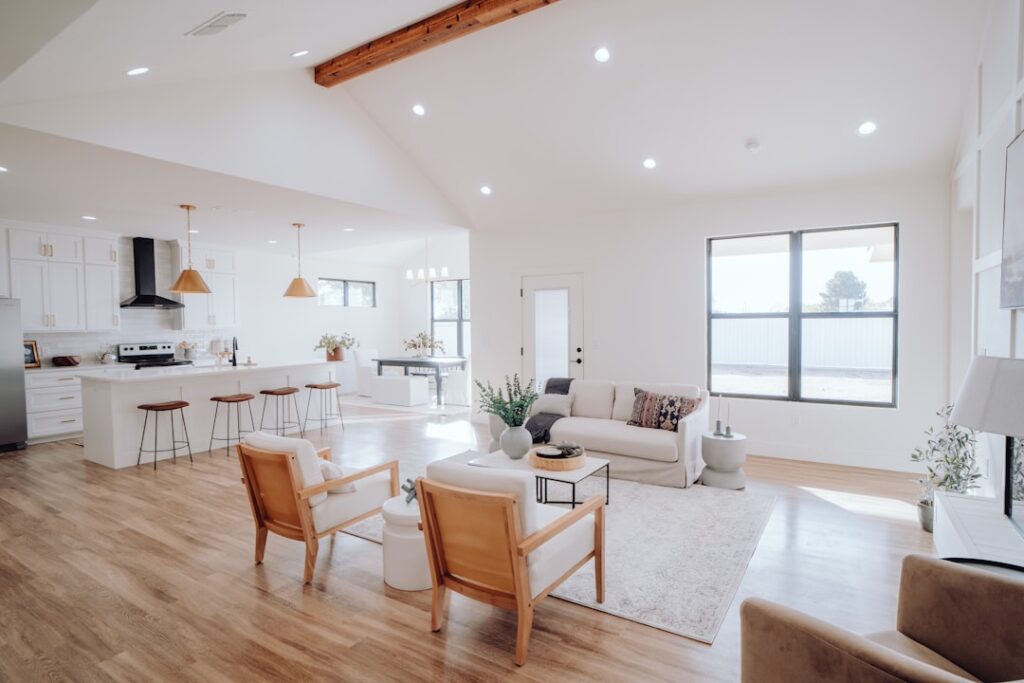
Armstrong is one of the most recognized names in American flooring, but the brand has been through three ownership changes in seven years and the product line that arrives at retail today is not the same Armstrong your grandfather bought. Armstrong hard wood flooring still ships under the Armstrong Flooring and AHF Products labels, with solid oak, engineered oak, hickory, and maple SKUs spanning a wide price range. After buying and installing approximately 9,500 square feet of Armstrong product across rental and flip projects since 2020, here is the current picture.
- Who Owns Armstrong Now
- Current Product Lines and Pricing
- Pros That Still Hold Up
- Where Armstrong Disappoints
- Solid vs Engineered: Which Armstrong to Buy
- Installation Notes From the Field
- Armstrong vs Direct Competitors
- Best Armstrong Buys Right Now
- Long-Term Durability
- Maintenance Basics
- Final Verdict
Who Owns Armstrong Now
The history matters because the wood you buy depends on which year it was made. Armstrong World Industries split off the flooring business in 2016 to form Armstrong Flooring, which filed for bankruptcy in 2022. AHF Products acquired the residential wood operations and continues to manufacture under the Armstrong brand alongside Bruce, Capella, and Hartco. Current product is made primarily in US plants in Tennessee and Pennsylvania, with some imported SKUs.
What this means for buyers: any pre-2022 warranty card may or may not be honored. Current product carries a fresh AHF warranty that has been honored consistently in my experience, but verify the warranty paperwork comes with the box and matches the current ownership.
Current Product Lines and Pricing
- Armstrong Prime Harvest Solid Oak: $4.49 to $6.99 per sq ft, 3/4-inch solid, 3 to 5 inch widths
- Armstrong Hartco Heritage Classics Engineered: $4.99 to $7.49 per sq ft, 3/8 to 1/2 inch thick, 3 to 5 inch widths
- Armstrong American Scrape Solid: $5.99 to $7.99 per sq ft, hand-scraped solid hickory or oak
- Armstrong Performance Plus Engineered: $5.49 to $7.99 per sq ft, dense-packed core for higher moisture tolerance
- Armstrong American Originals (vintage colors): $4.79 to $6.99 per sq ft, 3/4 inch solid in heritage colors
Pros That Still Hold Up
Distribution is the biggest practical advantage. Armstrong product ships through every major US retail channel — Lowe’s, Home Depot, LL Flooring, Floor and Decor, and dozens of regional dealers. If you need to match an existing Armstrong floor 5 years from now, finding stock is realistic. With niche brands, that match becomes nearly impossible.
Pricing on the Prime Harvest solid oak is competitive for genuine 3/4-inch solid hardwood. At $4.49 to $6.99 per square foot, you get a refinishable solid wood floor that will accept 4 to 6 sandings over its life — easily a 60-year product. Compare that to a $4 luxury vinyl plank with a 10-year usable life, and the math favors Armstrong on long-term basis.
Where Armstrong Disappoints
Quality control varies between production runs. Two pallets ordered from the same SKU 4 months apart in 2024 showed noticeable color variation that complicated the install. The factory finish is harder than budget brands but more sensitive to install scuffs — drop a single plank face-down on a 3/4-inch tongue and the finish chips immediately at the impact spot.
Customer service post-AHF acquisition remains uneven. Pre-purchase questions get answered quickly through dealers; warranty claims take 6 to 10 weeks. Documentation requirements include the original receipt, finished install photos, subfloor moisture readings, and a written history of any spills or repairs. Most homeowners cannot satisfy all four requirements, and claims often die on documentation grounds.
Solid vs Engineered: Which Armstrong to Buy
Solid Armstrong (Prime Harvest, American Scrape, American Originals) is the right choice for above-grade installs in stable humidity climates. Three-quarter inch solid handles four full refinishes, looks authentic on traditional homes, and holds value better at resale.
Engineered Armstrong (Hartco Heritage Classics, Performance Plus) suits below-grade installs, slab-on-grade homes in Florida and the Southwest, and any application where humidity swings above 60 percent regularly. The 1/2-inch engineered options accept one to two refinishes; the 3/8-inch versions are essentially single-life floors.
Installation Notes From the Field
Armstrong’s solid product nails clean with a Powernail 50P or Bostitch BTFP12569 16-gauge cleat nailer at 80 to 100 psi. The tongue is slightly softer than competitor brands like Mirage, which means easier nailing but also easier to blow out if you over-pressure. Set the nailer at 85 psi for 3/4-inch solid oak and check the first 10 boards for any tongue damage before continuing.
Acclimation runs 3 to 5 days at room temperature and 35 to 55 percent humidity. Armstrong’s engineered SKUs can be glue-down installed with Bostik Best or Mapei Ultrabond ECO 985. Floating installation is allowed only on specific engineered SKUs — check the box stamp before assuming.
Armstrong vs Direct Competitors
- Armstrong Prime Harvest vs Bruce Dundee: Both AHF brands, similar specs and price. Bruce skews slightly more traditional in color range.
- Armstrong vs Mullican Solid: Mullican has tighter quality control and stronger warranty enforcement. Armstrong wins on distribution and color selection.
- Armstrong vs LL Flooring Bellawood: Bellawood is generally cheaper with similar quality. Armstrong has better name recognition for resale.
- Armstrong Engineered vs Mohawk TecWood: TecWood has a stronger warranty and superior finish. Armstrong wins on price at the entry tier.
Best Armstrong Buys Right Now
The Prime Harvest 5-inch solid oak in Natural or Saddle remains the best Armstrong value. Solid 3/4-inch, refinishable, sub-$6 per foot at Home Depot or Lowe’s, and the color choices coordinate with everything. For a budget engineered option, Hartco Heritage Classics in 1/2-inch oak handles light-to-moderate residential traffic at competitive pricing.
Avoid the lowest-priced Armstrong SKUs at Home Depot — typically the 3/8-inch engineered floors under $4 per square foot. The wear layer on these is thin enough that scratches go through to the core, and they cannot be refinished.
Long-Term Durability
Quality Armstrong solid 3/4-inch hardwood runs 50 to 80 years with proper maintenance and 2 to 4 refinishes during that span. The engineered Performance Plus line, with its dense-packed HDF core, holds up better than typical engineered products in humid climates — I have a 6-year install in a New Orleans kitchen that shows no cupping despite regular 70-plus percent indoor humidity.
Maintenance Basics
Sweep or vacuum daily with a hardwood-safe vacuum head. Damp-mop weekly with Bona Hardwood Floor Cleaner or Pallmann Hardwood Floor Cleaner. Maintain indoor humidity at 35 to 55 percent year-round. Walk-off mats at every exterior door, felt pads on furniture, and avoid steam mops and oil soaps entirely. With this routine, the floor will go 10 to 15 years before any recoat is needed.
Final Verdict
Armstrong hard wood flooring remains a sensible mid-market choice for solid hardwood thanks to distribution depth and decent pricing on the Prime Harvest line. The brand’s history of ownership changes and inconsistent warranty enforcement are real drawbacks. Stick with the solid 3/4-inch product over the budget engineered SKUs, buy from a dealer with good return policies, and document the install for any future warranty needs. The 60-year solid-wood lifespan still makes the math work despite the brand’s bumpy decade.
Prefer to explore on your own?
See how new flooring looks in your actual room in seconds — free, no signup.
Try the free Floor Studio →