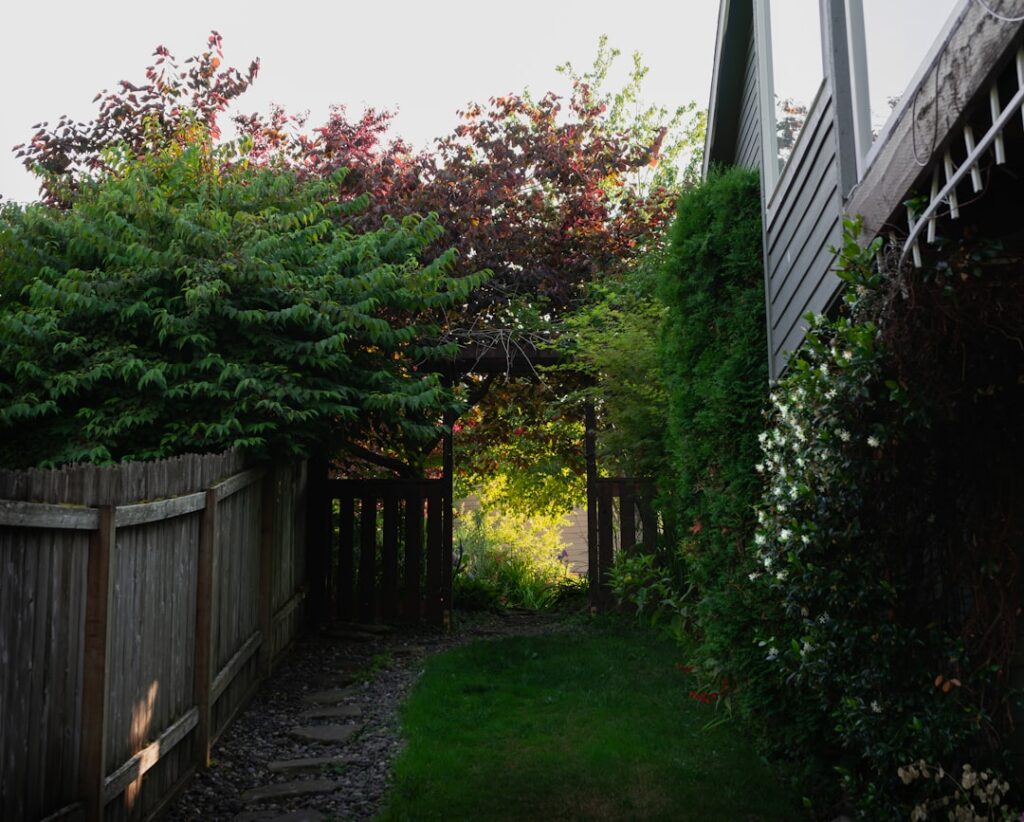
You do not need a $6,000 cedar fence to feel unwatched in your own yard. A smart backyard low budget privacy screen can go up for a few hundred dollars and, in many cases, look better than a solid wall because it filters light and adds greenery instead of boxing you in. I have built dozens of these on tight budgets, and the trick is matching the right method to your sightline, your soil, and how fast you need coverage.
- First, Figure Out What You Actually Need to Block
- Fast-Growing Plants for Living Screens
- Panel and Trellis Screens Under $200
- Dress Up an Existing Fence or Chain-Link
- Container Screens for Renters and Patios
- The Cheapest Option: Repurposed and Salvaged Materials
- Installation Tips That Keep It Standing
- Combine Methods for the Best Value
- Matching the Screen to Your Budget and Timeline
This guide walks through the cheapest effective options, what each really costs, and how to install them so they last. Expect specific plants with USDA zones, panel dimensions, and dollar figures you can plan around.
First, Figure Out What You Actually Need to Block
Before spending a dime, stand where you sit most, your patio chair, the hot tub, the kitchen window, and note exactly what you want gone. Most people over-build. You rarely need to screen the entire property line. You need to block one neighbor’s second-story window or one stretch of chain-link where you feel exposed.
Measure the offending sightline. Often a screen just 8 to 12 feet long and 6 feet tall solves the whole problem for a fraction of the cost of fencing the yard. Blocking a targeted 10 foot span instead of a 60 foot perimeter is the single biggest way to keep this cheap.
Fast-Growing Plants for Living Screens
Living screens are the lowest material cost of all, often under $100, because plants are cheap when small. The tradeoff is time. Here are proven performers by speed and zone.
The Quickest Coverage
- Clumping bamboo, Fargesia (Zones 5-9) is my top pick. Unlike running bamboo it will not invade your yard. It grows 3 to 5 feet a year to a dense 8 to 12 foot screen. A 2 gallon plant runs $25 to $45, and three spaced 3 feet apart cover roughly 10 feet.
- Hybrid willow (Zones 4-9) grows an astonishing 6 feet a year but needs annual trimming and moist soil. Bare-root whips cost just $3 to $6 each.
- Arborvitae ‘Green Giant’ (Zones 3-8) puts on 3 feet a year to a solid 20 foot wall. Small 1 to 2 foot plants cost $15 to $30 and fill in within three to four years.
Cheap Evergreen Options
For a permanent green wall on a budget, buy small. A 12 to 18 inch arborvitae or Leyland cypress (Zones 6-10) costs a quarter of what a 6 foot specimen does and catches up fast. Space arborvitae ‘Green Giant’ 5 feet on center for a hedge, dig holes twice as wide as the rootball, and water deeply twice a week the first summer. Patience saves you hundreds of dollars.
Panel and Trellis Screens Under $200
When you need instant privacy and cannot wait for plants, a freestanding panel is the answer. The cheapest durable version is a pressure-treated 2×4 frame with either wood lattice or a reed or bamboo rolled fence stapled to it.
Here is a simple 6 by 8 foot panel build:
- Set two 4×4 posts 8 feet apart in fast-set concrete, 2 feet deep. Two posts, two bags of concrete: about $50.
- Frame with pressure-treated 2x4s top and bottom: about $25.
- Attach a 6 by 8 foot lattice panel ($30 to $45) or a roll of reed fencing ($20 to $35).
- Total materials land between $95 and $130 for a solid 8 foot run.
Rolled reed, bamboo, and willow screening is the budget hero here. A 6 by 16 foot roll costs $25 to $50 and zip-ties straight onto an existing chain-link or railing in an afternoon. It is not a 20 year solution, but it buys three to five seasons for pocket change.
Dress Up an Existing Fence or Chain-Link
If you already have a see-through chain-link or a plain fence, you do not need to replace it. Cover it. Privacy slats woven through chain-link cost $30 to $60 for a 25 foot run and instantly cut visibility by 75 to 90 percent. Reed fencing zip-tied to the outside is even cheaper and warmer looking.
For a greener look, plant an annual vine like morning glory or scarlet runner bean at the base and let it cover the fabric in one season for under $10 in seed. For permanence, a clematis (Zones 4-9) or climbing hydrogea (Zones 4-8) will blanket it within two or three years.
Container Screens for Renters and Patios
If you cannot dig, go vertical in pots. A row of three 20 inch containers, each planted with a columnar evergreen or tall grass, creates a movable green wall. Good picks include ‘Sky Pencil’ holly (Zones 5-9), which stays under 24 inches wide, or feather reed grass ‘Karl Foerster’ (Zones 4-9) for a soft 5 foot screen that costs $12 to $20 per plant.
For instant height, mount a trellis panel behind a large planter box and grow a fast annual vine up it. A cedar planter-and-trellis combo runs $80 to $150 at a home center, or you can build one from a single 8 foot cedar board and a lattice panel for about $45. Because pots dry fast, add a single drip emitter or use self-watering planters to keep upkeep low.
The Cheapest Option: Repurposed and Salvaged Materials
Some of the best-looking screens I have built cost almost nothing. Watch marketplace listings and construction dumpsters for:
- Old pallets. Stood on end and secured to posts, they make a rustic slatted screen for free. Sand them and stain for a finished look.
- Corrugated metal roofing panels. Salvaged sheets framed in 2x4s make a modern, weatherproof screen for the cost of the lumber alone.
- Reclaimed shutters or old doors. Hinged together, they fold into a charming portable screen for a patio corner.
- Cattle panel and zip ties. A 16 foot livestock panel costs about $30 and, wired to two posts with a vine trained through it, becomes a living green wall.
Installation Tips That Keep It Standing
Any freestanding screen is a sail in the wind, so the failure point is always the posts. Set them at least 2 feet deep, or one-third of the post height, whichever is greater, in concrete. In frost country, dig below your frost line so heaving does not lift them. Space posts no more than 8 feet apart on tall screens or the panels rack and sag.
For living screens, mulch a 3 inch ring around each plant to hold moisture and suppress weeds, and water deeply the first year, roughly 1 inch a week, to establish roots. Check local rules before you build. Many towns cap backyard structures at 6 feet and require setbacks from the property line, and homeowner associations often have their own limits. A ten-minute call to the permit office saves you from tearing it all down.
Combine Methods for the Best Value
The smartest budget move is layering a fast fix with a slow one. Zip-tie reed fencing to your fence today for instant privacy, then plant clumping bamboo or arborvitae in front of it. Within two or three years the plants take over and you remove the reed. You get privacy immediately and a permanent living wall later, all for well under $150.
Another combination that stretches a dollar is a short hard panel plus plants at each end. Build one 8 foot lattice panel to block the exact worst sightline, then flank it with a couple of cheap grasses or a vine-covered trellis to soften the edges and extend coverage. You concentrate your spending on the one spot that matters and let inexpensive greenery blur the rest. A single well-placed 8 foot screen almost always beats trying to wall off the whole yard on the same budget.
Mistakes That Waste Money
A few common errors turn a cheap project expensive. Avoid them and your dollars go further.
- Buying mature plants. A 6 foot arborvitae costs four times what a 2 foot one does and grows no faster once in the ground. Buy small and wait one extra season.
- Setting posts too shallow. A screen that blows over in the first storm costs you twice. Concrete the posts 2 feet deep the first time.
- Screening the whole property. Fencing 60 feet when you only needed to block 10 is the most expensive mistake of all.
- Skipping the water plan. A living screen that dies of neglect its first summer wastes every dollar. Add a $15 hose timer and a soaker line.
Matching the Screen to Your Budget and Timeline
Choosing well comes down to two questions: how fast do you need it, and how much can you spend. If you need privacy today for under $60, zip-tie reed fencing to an existing fence. If you have $130 and a weekend, build a framed lattice panel. If you have patience and $75, plant clumping bamboo or small arborvitae and let nature build a wall for free over two seasons. The best backyard low budget privacy screen is rarely the most expensive one. It is the one sized to the exact sightline you want gone, built on solid posts, and matched to how long you are willing to wait.