
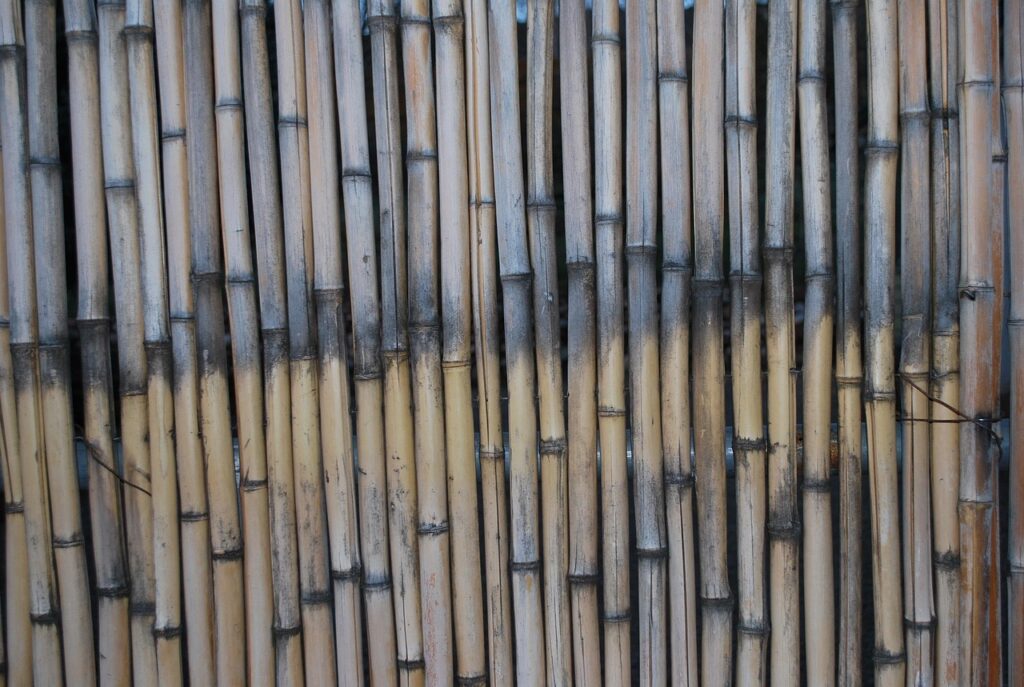
In my 20+ years of flooring experience, bamboo has carved out a unique niche — it offers the warmth and beauty of hardwood at a price point that’s often more accessible, with eco-friendly credentials that appeal to environmentally conscious homeowners. But bamboo flooring costs vary wildly depending on the type, quality, and installation method, and I’ve seen too many homeowners get burned by misleading “starting at” prices that don’t tell the full story.
- Average Bamboo Flooring Cost
- Material Cost by Bamboo Type
- Horizontal Bamboo ($2.00–$4.00 per sq ft)
- Vertical Bamboo ($2.50–$4.50 per sq ft)
- Strand-Woven Bamboo ($3.50–$8.00 per sq ft)
- Engineered Bamboo ($3.00–$6.00 per sq ft)
- Installation Costs
- Nail-Down Installation ($3.00–$5.00 per sq ft)
- Glue-Down Installation ($3.50–$5.50 per sq ft)
- Floating Installation ($2.50–$4.00 per sq ft)
- DIY Installation ($0 for labor)
- Cost by Room Size
- Factors That Affect Cost
- Bamboo vs. Hardwood Cost Comparison
- Additional Costs to Budget For
- Ways to Save on Bamboo Flooring
- Buy During Sales
- Consider Closeout Colors
- Choose Floating Installation
- Do Your Own Prep Work
- Get Multiple Quotes
- Is Bamboo Flooring Worth the Cost?
- Frequently Asked Questions
I’ve installed bamboo floors in dozens of homes across different climates and settings. This guide gives you the honest pricing picture I share with my own clients, covering every cost you’ll actually encounter from materials to the finished floor.
Average Bamboo Flooring Cost
The total cost of bamboo flooring, including materials and professional installation, ranges from $5.00 to $13.00 per square foot in 2026. The national average sits around $8.00 per square foot installed.
For perspective, here’s what that looks like for common project sizes:
- Small room (150 sq ft): $750–$1,950
- Average room (300 sq ft): $1,500–$3,900
- Large room (500 sq ft): $2,500–$6,500
- Whole house (1,500 sq ft): $7,500–$19,500
These figures include the bamboo flooring material, underlayment, installation labor, and basic trim work. They don’t include old flooring removal, subfloor repairs, or furniture moving — I’ll cover those additional costs later.
Material Cost by Bamboo Type
Bamboo flooring comes in several distinct types, and the manufacturing process dramatically affects both the price and performance. Here’s how they break down:
Horizontal Bamboo ($2.00–$4.00 per sq ft)
Horizontal bamboo is made by laying bamboo strips flat and laminating them together. You can see the characteristic “knuckle” pattern of the bamboo nodes across the surface. It’s the most affordable bamboo option and looks distinctly tropical.
However, horizontal bamboo is also the softest — it rates around 1,380 on the Janka hardness scale, which is softer than red oak. I only recommend it for low-traffic areas like bedrooms or home offices. It dents and scratches more easily than other bamboo types.
Vertical Bamboo ($2.50–$4.50 per sq ft)
Vertical bamboo stands the bamboo strips on edge before laminating, creating a more uniform, linear grain pattern. It’s slightly harder than horizontal bamboo and offers a more contemporary look. The visible bamboo nodes run vertically instead of horizontally, giving it a distinctive striped appearance.
Pricing is marginally higher than horizontal, and I consider it a better choice for areas with moderate foot traffic.
Strand-Woven Bamboo ($3.50–$8.00 per sq ft)
Strand-woven bamboo is the premium option and the one I recommend most often. Bamboo fibers are shredded, compressed with resin under extreme pressure, and formed into incredibly dense planks. The result is a flooring material that’s harder than maple, hickory, and even Brazilian cherry — rating 3,000+ on the Janka scale.
Strand-woven bamboo handles heavy foot traffic, pets, and active households beautifully. It comes in a wider range of colors and styles than horizontal or vertical bamboo, including options that closely mimic traditional hardwood grain patterns.
Engineered Bamboo ($3.00–$6.00 per sq ft)
Engineered bamboo features a bamboo veneer over a plywood or HDF core. It offers better dimensional stability than solid bamboo, handles humidity fluctuations more gracefully, and can be installed over concrete subfloors using a floating click-lock method.
I recommend engineered bamboo for basements, condos with concrete subfloors, and regions with significant seasonal humidity changes. The trade-off is that most engineered bamboo can only be refinished once, compared to 2–3 times for solid bamboo.
Installation Costs
Labor is typically the second-largest cost component. Bamboo installation rates depend on the method used:
Nail-Down Installation ($3.00–$5.00 per sq ft)
Nail-down is the traditional method for solid bamboo flooring over plywood subfloors. Each plank is blind-nailed through the tongue using a pneumatic flooring nailer. This provides the most solid feel underfoot and is what I recommend for above-grade installations on plywood subfloors.
Glue-Down Installation ($3.50–$5.50 per sq ft)
Glue-down works on both plywood and concrete subfloors. It provides excellent stability and a solid feel, but it’s more labor-intensive and the adhesive adds $0.50–$1.00 per square foot to material costs. I use this method primarily for concrete slab foundations.
Floating Installation ($2.50–$4.00 per sq ft)
Click-lock engineered bamboo floats over an underlayment, making it the fastest and most affordable installation method. It’s also the most DIY-friendly option. I use floating installation for basements, condos, and situations where the floor may need to be removed in the future.
DIY Installation ($0 for labor)
If you’re handy, floating bamboo installation is very doable as a DIY project. Nail-down installation requires a pneumatic flooring nailer (rental: $40–$75/day) and more skill. I’d recommend DIY only for floating installations unless you have experience with hardwood flooring installation.
Cost by Room Size
Here are realistic total costs (materials + professional installation) for common room sizes, using mid-range strand-woven bamboo:
- Bedroom (12×12, 144 sq ft): $1,150–$1,870
- Living room (15×20, 300 sq ft): $2,400–$3,900
- Kitchen (12×15, 180 sq ft): $1,620–$2,700
- Master suite (16×20, 320 sq ft): $2,560–$4,160
- Entire main floor (800 sq ft): $6,400–$10,400
- Whole house (1,500 sq ft): $10,500–$16,500
Larger projects benefit from volume discounts on both materials and labor. I typically reduce my per-square-foot rate by 10–15% for whole-house bamboo installations.
Factors That Affect Cost
Bamboo Quality and Origin
Not all bamboo is equal. High-quality bamboo from reputable manufacturers undergoes proper treatment to remove sugars and starches that attract insects. Cheap imported bamboo may skip these steps, leading to problems down the road. I always recommend spending a bit more for quality — the $2/sq ft “deal” bamboo often costs more in the long run.
Finish Type
Pre-finished bamboo costs more upfront ($0.50–$1.50 premium) but eliminates the cost of on-site sanding and finishing. Unfinished bamboo is cheaper to buy but requires on-site sanding ($1.50–$2.50/sq ft) and finishing ($1.00–$2.00/sq ft), which usually makes it more expensive overall.
Plank Dimensions
Wider planks (5 inches and above) cost more than standard 3-3/4 inch planks. Longer planks also command a premium. These wider, longer formats look more modern and reduce the number of seams, but expect to pay 15–30% more.
Color and Treatment
Natural (blonde) bamboo is typically the least expensive. Carbonized bamboo, which is heat-treated to achieve a darker caramel color, costs slightly more. Tiger bamboo (mixed natural and carbonized strips) and stained bamboo command the highest prices due to additional processing.
Geographic Location
Installation labor rates vary 30–50% between high-cost and low-cost markets. In major coastal cities, expect installation labor to run $4.00–$6.00 per square foot. In the Midwest or South, $2.50–$4.00 is more typical.
Bamboo vs. Hardwood Cost Comparison
Many of my clients ask how bamboo compares to traditional hardwood on cost. Here’s the side-by-side:
- Bamboo (strand-woven): $5.00–$13.00/sq ft installed
- Red oak hardwood: $6.00–$14.00/sq ft installed
- White oak hardwood: $7.00–$15.00/sq ft installed
- Maple hardwood: $7.00–$14.00/sq ft installed
- Hickory hardwood: $7.00–$16.00/sq ft installed
- Brazilian cherry: $9.00–$18.00/sq ft installed
Bamboo generally saves you 15–30% compared to equivalent hardwood species, with the bonus of being harder than most domestic hardwoods (in strand-woven form). That said, hardwood has a longer track record, broader refinishing options, and wider acceptance in the luxury home market.
Additional Costs to Budget For
Here are the extra expenses that catch homeowners off guard:
- Old flooring removal: $0.50–$4.00/sq ft depending on existing material
- Subfloor leveling: $1.50–$3.00/sq ft for self-leveling compound
- Underlayment: $0.25–$0.75/sq ft (for floating installations without attached pad)
- Moisture barrier: $0.15–$0.50/sq ft for concrete subfloors
- Transition strips: $5–$15 per linear foot for bamboo-matching transitions
- Baseboard and trim: $1.50–$4.00 per linear foot
- Stair installation: $75–$200 per step (custom treads and risers)
- Waste factor: Order 10% extra (15% for diagonal patterns)
- Furniture moving: $50–$200 per room if hiring movers
- Acclimation time: Bamboo needs 72+ hours to acclimate — plan your timeline accordingly
Ways to Save on Bamboo Flooring
Buy During Sales
Major retailers run flooring sales around holidays — Memorial Day, Labor Day, and Black Friday are traditionally the best times. I’ve seen strand-woven bamboo drop from $6/sq ft to $3.50/sq ft during clearance events.
Consider Closeout Colors
When manufacturers discontinue a color or style, retailers slash prices dramatically. As long as you buy enough for your project (plus the waste factor), closeouts offer excellent value.
Choose Floating Installation
Floating engineered bamboo costs less to install than nail-down or glue-down methods. The labor savings of $0.50–$1.50 per square foot add up quickly on larger projects.
Do Your Own Prep Work
Remove old flooring and baseboards yourself, move furniture, and clean the subfloor. This saves $1.00–$3.00 per square foot in labor costs.
Get Multiple Quotes
I always tell people to get at least three installation quotes. Pricing varies significantly between contractors, and you want someone experienced with bamboo specifically — it behaves differently than domestic hardwoods.
Is Bamboo Flooring Worth the Cost?
In my professional opinion, bamboo flooring is worth the cost in the right circumstances. Strand-woven bamboo offers exceptional hardness, distinctive beauty, and eco-friendly sourcing at a price point below most comparable hardwoods. It works beautifully in living rooms, bedrooms, hallways, and dining rooms.
Where I hesitate to recommend bamboo is in very humid environments (bathrooms, laundry rooms), below-grade basements (unless using engineered bamboo), or situations where the homeowner expects the exact same look and feel as traditional hardwood. Bamboo has its own character — it’s gorgeous, but it’s not oak, and pretending otherwise leads to disappointment.
If you want a hard, attractive, sustainable floor at a reasonable price, strand-woven bamboo is one of the best values in flooring today.
Frequently Asked Questions
Is bamboo flooring cheaper than hardwood?
Generally yes. Bamboo flooring typically costs 15–30% less than comparable hardwood species. Budget bamboo starts around $2/sq ft for materials, while basic hardwood starts at $3–$4/sq ft. At the mid-range, strand-woven bamboo runs $4–$6/sq ft compared to $5–$8/sq ft for oak or maple. Installation costs are similar for both materials. The biggest savings come from choosing bamboo over premium domestic or exotic hardwoods.
How much does it cost to install bamboo flooring in a 1,000 sq ft area?
For 1,000 square feet of strand-woven bamboo with professional nail-down installation, expect to pay $7,000–$13,000 total. This includes materials ($3,500–$8,000), installation labor ($3,000–$5,000), and supplies like underlayment, transitions, and trim. Budget bamboo with floating installation could drop the total to $5,000–$7,000, while premium bamboo with glue-down installation could push it to $11,000–$15,000.
Does bamboo flooring increase home value?
Bamboo flooring can increase home value, but generally not as much as traditional hardwood. Real estate agents in my area tell me that quality bamboo floors are viewed positively by buyers and can return 50–70% of installation costs at resale. Strand-woven bamboo in particular is well-received because of its hardness and attractive appearance. However, in luxury home markets, traditional hardwoods like white oak still command a premium over bamboo.
How long does bamboo flooring last?
Quality bamboo flooring lasts 20–30 years with proper care, and strand-woven bamboo can last even longer. Solid bamboo can be refinished 2–3 times, extending its life by decades. Engineered bamboo can typically be refinished once. The main threats to bamboo longevity are excessive moisture, inadequate acclimation before installation, and low-quality manufacturing. I’ve seen well-maintained strand-woven bamboo floors that look nearly new after 15 years.
Is it worth paying more for strand-woven bamboo?
In my professional opinion, absolutely. The extra $1–$4 per square foot for strand-woven over horizontal or vertical bamboo buys you dramatically better durability — more than twice the hardness rating. On a 500-square-foot project, the upgrade costs $500–$2,000 but gives you a floor that resists dents, handles pets and kids, and maintains its appearance for decades longer. It’s the single best value upgrade in bamboo flooring.
Prefer to explore on your own?
See how new flooring looks in your actual room in seconds — free, no signup.
Try the free Floor Studio →

