A bamboo rug offers something most soft rugs cannot: a hard-wearing, naturally cooling surface with a clean, organic look that works as well on a sunporch as it does in a modern living room. Made from slats or strands of bamboo, these rugs bring warmth and texture without trapping the heat, dust, and allergens that thick pile carpet holds onto. They have become a favorite for homeowners who want a low-maintenance, eco-friendly floor covering that handles everything from a beach house to a busy entryway.
What a Bamboo Rug Actually Is
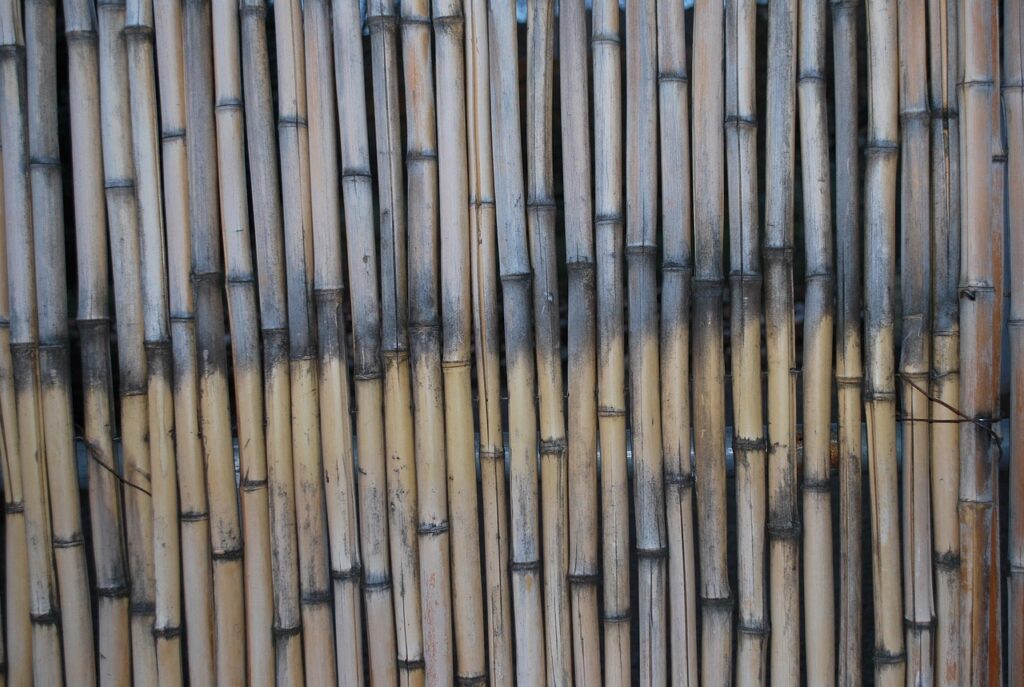
Most bamboo rugs are made from thin bamboo slats woven together or bound onto a fabric backing, creating a flat, slightly textured mat. Bamboo is technically a fast-growing grass, which is part of its eco appeal: it regenerates far faster than hardwood trees, making it a renewable material. The result is a rug that feels firm and smooth underfoot rather than plush.
Some products use bamboo fiber spun into a soft, silky yarn for a more traditional rug feel, but the classic bamboo rug most people picture is the firm slatted mat style.
Key Benefits
Bamboo rugs win fans for several practical reasons:
- Durable: the firm bamboo slats stand up to heavy foot traffic and resist crushing.
- Cooling: bamboo stays cool to the touch, ideal for warm climates and summer rooms.
- Easy to clean: the smooth surface wipes down and does not trap crumbs or pet hair.
- Eco-friendly: bamboo is a rapidly renewable resource.
- Allergy-friendly: unlike carpet, it does not hold dust mites and dander.
For households with allergies or pets, that easy-clean, low-allergen quality is often the deciding factor.
Best Places to Use One
The bamboo rug’s strengths point to where it shines:
- Sunrooms and porches: the cooling, durable surface suits indoor-outdoor transitional spaces.
- High-traffic areas: entryways and hallways where soft rugs would mat down quickly.
- Warm-climate living rooms: a breathable alternative to carpet that keeps a room feeling cool.
- Under dining tables: spills wipe up rather than soaking in, though watch for chair-leg scuffs.
Avoid placing untreated bamboo rugs in consistently wet areas like bathrooms, since prolonged moisture can damage natural bamboo over time unless it is specifically rated for wet use.
Choosing the Right Size and Style
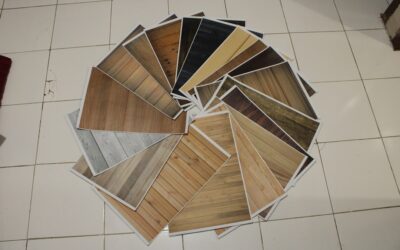
Bamboo rugs come in a range of standard sizes and a few finish options. The slat color varies from natural blonde to darker stained tones, and some have a contrasting fabric border that gives a more finished, framed look. For a living room, size the rug so at least the front legs of your seating rest on it; for an entry or hallway, a runner or smaller mat works well.
Because the surface is firm, a bamboo rug reads as more architectural than a soft area rug. Pair it with comfortable seating and a few soft textiles like pillows and throws to balance the hard texture.
The Downsides to Know
Bamboo rugs are not for every room. The firm surface is not plush or cozy underfoot, so they are a poor fit for a bedroom where you want softness. The slats can crack or split if a rug is rolled too tightly, dropped, or left in standing water, and edges can fray over years of heavy use.
On hard floors, a bamboo rug can slide, so a non-slip rug pad underneath is important for both safety and to keep the rug from shifting. The pad also cushions the slats and helps protect the floor beneath.
Bamboo Rug vs. Other Natural-Fiber Rugs
Bamboo competes with other natural options like jute, sisal, and seagrass, and each has a different character. Jute is soft and casual but stains easily and frays. Sisal is tough and great for high traffic but rough underfoot and tricky to spot-clean. Seagrass is smooth and somewhat water-resistant but can be slippery.
Bamboo distinguishes itself with its smooth, firm, easy-to-wipe surface and its cooling feel. It is generally easier to clean than jute or sisal because the slats do not trap dirt the way woven plant fibers do. If you want a hard, sleek natural look rather than a soft woven texture, bamboo is the standout choice.
Styling a Bamboo Rug in Your Space
The clean lines of a bamboo rug lend themselves to a range of looks. In a coastal or tropical room, it reinforces the breezy, natural theme. In a minimalist or modern space, its sleek surface and simple grid pattern complement clean furniture and neutral palettes. In a transitional room, it grounds the space with organic warmth without competing with patterned upholstery.
Because the surface is firm rather than soft, layer in comfort with cushions, throws, and a few softer textiles nearby. A bamboo rug also pairs well over a larger natural-fiber rug or under a coffee table to define a seating area while keeping the room feeling light and airy.
Indoor-Outdoor Use and Weather Considerations
Many bamboo rugs bridge indoor and outdoor living, which is part of their appeal on porches, sunrooms, and covered patios. The firm slats handle the back-and-forth of patio furniture and the grit tracked in from a yard better than soft pile would. That said, not every bamboo rug is built for the weather.
Natural, untreated bamboo should stay under cover and out of standing water, since prolonged moisture and freeze-thaw cycles can warp or crack the slats. If you want a rug for an exposed deck or a poolside spot, look specifically for one rated for outdoor use or a synthetic woven-resin lookalike, which mimics the bamboo aesthetic while truly shrugging off rain and sun. Matching the product to the exposure keeps the rug from failing prematurely.
Cost and Value of a Bamboo Rug
Bamboo rugs are generally an affordable floor covering, which adds to their practical appeal. As a general guide, smaller mats and runners often start in the range of $30 to $80, while larger room-size slatted rugs commonly fall somewhere around $100 to $300 depending on size, slat quality, and whether they include a finished fabric border.
Premium versions with thicker slats, tighter weaving, or designer finishes climb higher, and bamboo-fiber yarn rugs that feel soft underfoot can cost more than the classic slat style. Factor in a non-slip rug pad, a modest add-on that protects both the rug and the floor beneath it. For the durability and easy upkeep you get in return, a bamboo rug usually represents solid long-term value.
Caring for a Bamboo Rug
Maintenance is one of the bamboo rug’s biggest perks. For routine cleaning, simply sweep or vacuum (with the beater bar off) to remove grit, or wipe the surface with a slightly damp cloth. Dry it promptly afterward, since you never want bamboo sitting wet.
Wipe up spills right away rather than letting them soak in. Keep the rug out of prolonged direct sunlight if you want to avoid gradual fading, and occasionally apply a bamboo or wood-safe conditioner if the manufacturer recommends it to keep the slats from drying out. Rotate the rug now and then so it wears evenly. With that minimal care, a good bamboo rug delivers years of cool, durable, easy-clean service.