Walk into a room with plantation shutters and one with woven bamboo shades and you feel the difference immediately: bamboo softens light instead of blocking it, casting a warm honey glow that painted vinyl never manages. Bamboo window treatments have quietly become one of the most requested natural-material upgrades, and for good reason, they bring organic texture, real sustainability, and a price point that undercuts custom wood shutters. If you are weighing bamboo window treatments for a sunroom, a bedroom, or a whole house, this guide covers the styles, the light-control options, and what you will actually pay.
What Bamboo Window Treatments Actually Are
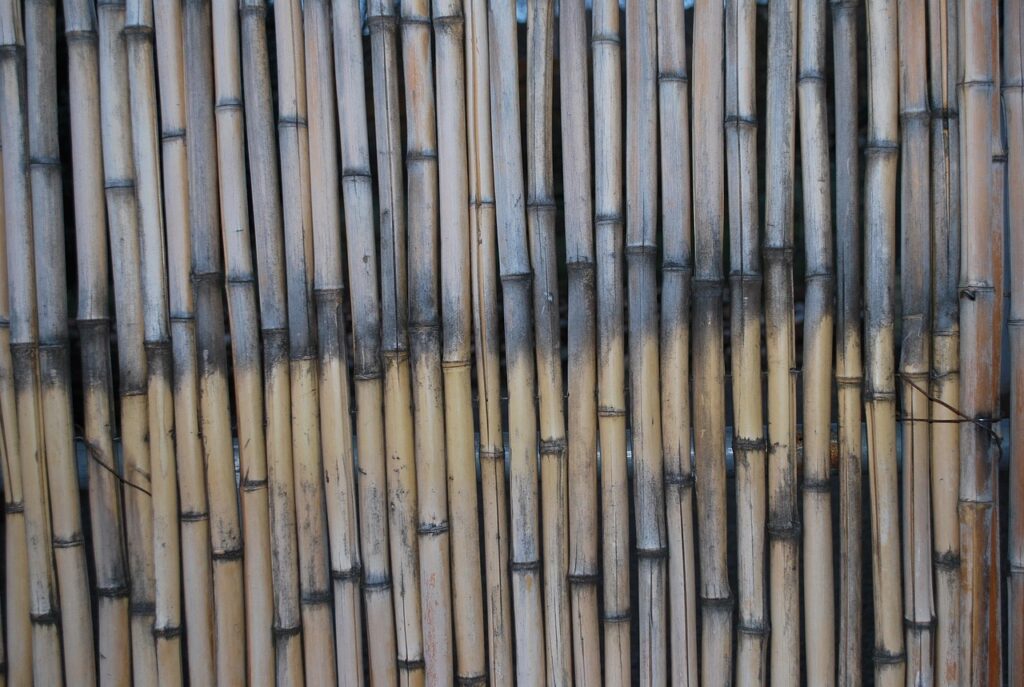
The term covers several products, but the star is the woven wood shade, often called a bamboo Roman shade or matchstick blind. These are made from thin reeds of bamboo, grasses, jute, and sometimes rattan woven together and mounted on a roller or cord lift system. The natural variation in reed color and thickness is the whole point; no two shades weave identically, which is why they read as handmade rather than mass-produced.
You will also find bamboo roller shades, bamboo panel tracks for wide openings and patio doors, and outdoor bamboo shades built for porches. Real bamboo is a fast-growing grass that regenerates in three to five years without replanting, which is why these treatments carry genuine eco credentials rather than greenwashed marketing.
Light Control and the Liner Question
Left unlined, a woven bamboo shade filters light beautifully but offers little privacy after dark, because a lit room glows through the gaps in the weave. This is the single most important decision you will make, so match the liner to the room.
- No liner: Maximum warm, filtered light. Best for kitchens, living rooms, and spaces where privacy is not a concern.
- Privacy liner: A light-filtering fabric backing blocks sightlines while still glowing softly. Good for most rooms.
- Blackout liner: An opaque backing blocks nearly all light. Essential for bedrooms and media rooms.
A blackout liner does change the look slightly, adding a flat backer visible from outside, but it transforms a bamboo shade into a legitimate bedroom treatment. Expect the liner to add $15 to $40 per window.
Cost Per Window
Price varies enormously with size and source. Ready-made bamboo Roman shades from a big-box retailer run $25 to $70 per standard window, but the sizes are limited and the weaves are basic. Semi-custom online shades, cut to your exact width and length, run $60 to $180 per window depending on weave and lift style.
True custom shades from a local workroom or designer, with premium weaves, blackout liners, and cordless motorized lifts, land at $150 to $400 per window. For a whole house of 12 windows, budget roughly $700 for ready-made basics up to $3,500 for custom motorized units. Bay windows, arched tops, and extra-wide patio openings push costs higher because they require specialty fabrication.
Choosing a Weave and Color
Weave density drives both look and light control. A tight, flat weave gives a clean, contemporary appearance and filters more light; an open, chunky weave shows more of the individual reeds and lets more light through. Darker weaves like espresso and walnut ground a bright room and hide dust, while natural blonde and honey tones brighten a north-facing space.
Order samples before committing to a whole house. Reed color shifts noticeably between screen and daylight, and a weave that looks tan online can read distinctly gray or green in person. Most quality vendors mail a small woven swatch for a few dollars.
Consider how the weave interacts with your room’s other materials. A chunky, high-contrast weave competes with busy wallpaper or patterned tile, so pair it with calmer surroundings; a fine, uniform weave plays quietly against bold decor. In a room with wood floors or furniture, pick a reed tone that either matches the wood undertone closely or contrasts it clearly, because a near-miss, a shade that is almost but not quite the same brown, tends to look like a mistake. Warm blonde and honey weaves amplify morning light in an east-facing room, while deeper espresso weaves add coziness and hide the inevitable dust in a west-facing space that bakes in afternoon sun.
Measuring and Mounting
Accurate measurement is half the battle. Decide first between an inside mount, which sits cleanly within the window frame for a built-in look, and an outside mount, which covers the whole opening and blocks more light leak around the edges.
For an inside mount, measure the width at the top, middle, and bottom of the frame and use the narrowest figure, then deduct the vendor’s recommended allowance, usually 1/4 to 1/2 inch, so the shade clears the frame. You need at least 1 1/2 to 2 inches of frame depth for a flush inside mount. For an outside mount, add 2 to 3 inches on each side and above the opening to minimize light gaps. Measure every window individually; even in a tract home, openings vary by a quarter inch.
Installation in Under an Hour
Hanging bamboo shades is a genuine DIY job. Most kits include mounting brackets and screws. Mark bracket positions level, drill pilot holes, and drive the screws; into drywall alone, use anchors rated for at least 15 pounds since the shade plus liner has real weight. Snap the shade’s headrail into the brackets and test the lift.
For cordless or motorized lifts, follow the manufacturer’s charging or wiring steps; battery-powered motorized shades now recharge with a simple USB pack and pair with common smart-home hubs. Budget 30 to 45 minutes per window the first time, less once you have the rhythm.
Give real thought to the lift mechanism, because it shapes daily use and safety. Corded lifts are cheapest but pose a genuine strangulation hazard around young children and pets, which is why federal safety standards have pushed the industry toward cordless designs. A cordless lift raises and lowers with a gentle tug and hides the mechanism entirely, giving the cleanest look. Continuous-cord loop systems, common on heavier or wider shades, use a beaded chain that should be anchored to the wall with the included tension device. Motorized lifts add real convenience on hard-to-reach windows above a stairwell or a kitchen sink, and scheduling them to close automatically at sunset both saves your privacy and protects the reeds from prolonged direct sun. Whichever you choose, hang shades in homes with small children on cordless or motorized systems as a matter of safety, not just style.
Cleaning and Longevity
Bamboo is low-maintenance but not no-maintenance. Dust weekly with a soft brush attachment on the vacuum or a microfiber cloth, working along the reeds rather than across them. For light stains, wipe gently with a barely damp cloth and dry immediately; never soak the reeds, because prolonged moisture causes warping and mildew.
Keep bamboo shades out of consistently wet areas like a shower window unless they are rated for humidity. In direct, harsh sun, natural reeds can lighten over several years, so rotate or accept a gentle patina as part of the material’s character. Treated reasonably, a quality bamboo shade lasts 8 to 15 years and only looks better as the room ages around it.
Layering bamboo with fabric solves the few situations where the shades alone fall short. Because an unlined woven shade offers limited insulation and, without a liner, limited nighttime privacy, many homeowners pair the shade with side drapery panels. The bamboo handles daytime light control and texture, while the drapes add softness, block drafts around the window in winter, and can be drawn for full privacy and darkness at night. This combination reads as intentional and designed, and it lets you use an unlined shade, keeping that warm filtered glow, in rooms where privacy would otherwise force a bulky blackout liner. Choose drapery in a solid, calm color so it frames rather than competes with the reed texture, and mount the curtain rod a few inches above the window and wide of the frame so the panels stack off the glass and let maximum light through when open. For energy efficiency in a drafty older home, a thermal-lined drape over a bamboo shade meaningfully cuts heat loss through the window on cold nights.
Are Bamboo Window Treatments Right for You?
If you want natural texture, sustainable materials, and warm filtered light at a friendlier price than custom shutters, bamboo is hard to beat. Add a blackout liner where you need darkness, spend a little more on the weave in high-visibility rooms, and measure carefully. The result is a window treatment that feels custom, ages gracefully, and quietly makes every room warmer.