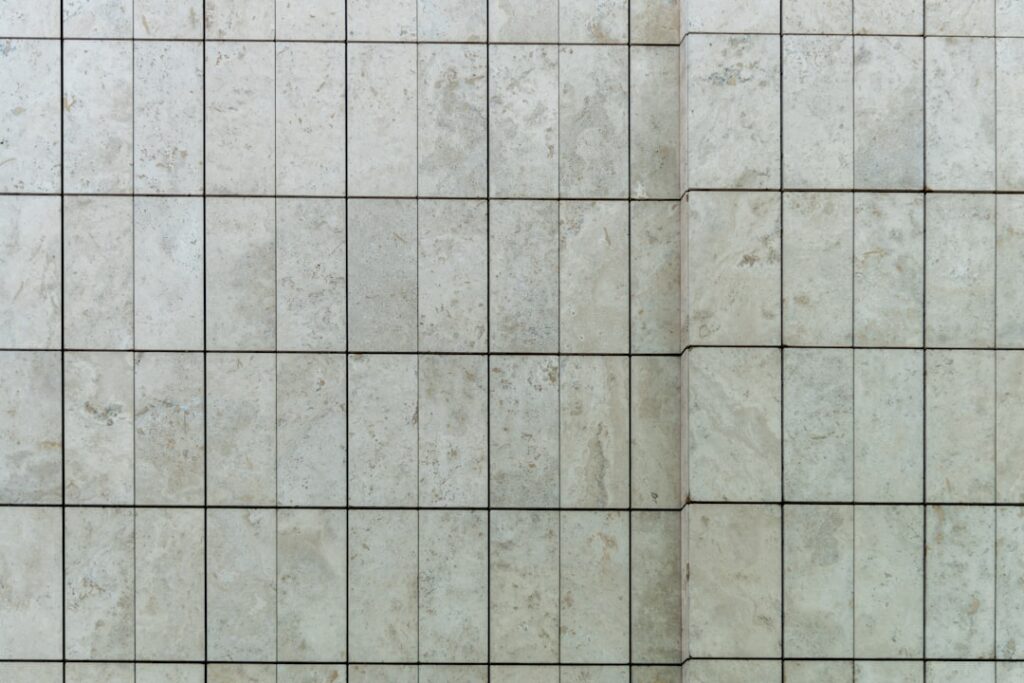
Most American homes default to carpet in the bedroom because it is soft and cheap, not because it is the best choice. Swap to well-chosen bedroom flooring tiles and you pick up a 50-year lifespan, zero allergen buildup, compatibility with in-floor heat, and a resale bump in warm-climate markets where buyers actively avoid carpet. The catch is that tile is hard, cold, and echoes sound if you do not detail the install correctly. This guide covers which porcelain and ceramic products work in sleeping spaces, how to keep them warm and quiet, and what to budget.
- Why Tile in a Bedroom Makes Sense
- Porcelain vs Ceramic for Bedroom Installs
- Best Tile Formats and Finishes
- Solving the Cold and Hard Problem
- Sound Control Inside and Between Floors
- Bedroom Flooring Tiles Cost Breakdown
- Installation Details Contractors Get Right
- Design Choices That Age Well
- Final Verdict
Why Tile in a Bedroom Makes Sense
Florida, Arizona, Texas, and southern California have been tiling master suites for decades. The reason is simple. Average dust mite populations in carpet run 100 to 500 times higher than on hard surfaces, and bedrooms are where a human sheds skin cells eight hours a night. Tile wipes clean. Pet dander, pollen, and heat all move out of the room with a damp microfiber mop.
Tile also pairs with radiant floor heat in a way carpet cannot. Electric mat systems from Nuheat, Warmup, or Schluter DITRA-HEAT push 12 watts per square foot through tile and deliver surface temperatures of 82 to 88 degrees F — warmer than a carpeted floor sitting above a forced-air register. The combination changes how a bedroom feels in January.
Porcelain vs Ceramic for Bedroom Installs
Both are fine for a bedroom, but they behave differently. Porcelain is fired hotter, absorbs less than 0.5 percent water, and rates PEI 4 to PEI 5 for abrasion. Ceramic absorbs 3 to 7 percent and usually rates PEI 2 to PEI 3. Bedrooms are a low-traffic space, so either holds up wear-wise for 30-plus years.
Where porcelain pulls ahead is thermal mass and dimensional stability over radiant heat. It holds temperature through the night better and is less likely to develop hairline cracks at grout lines when a heat mat cycles. For a master bedroom with radiant, spend the extra $1 to $2 per square foot on porcelain.
Best Tile Formats and Finishes
A few format rules make or break a bedroom install:
- Plank-format porcelain (6 by 36 inch or 8 by 48 inch wood-look): warmest visual, hides seams, mimics hardwood — $3 to $7 per square foot material
- Large-format 24 by 24 inch: modern, fewer grout lines to clean — needs a flat subfloor within 1/8 inch over 10 feet
- Matte or honed finish: safer for bare feet at night than polished — polished tile becomes a skating rink with dew or spilled water
- Rectified edges: allow tight 1/16 inch grout joints for a cleaner look
Avoid high-gloss polished porcelain and small mosaic formats in a bedroom. Gloss is cold to the eye, and mosaic grout lines catch every piece of lint.
Solving the Cold and Hard Problem
The two honest complaints about tile in bedrooms are temperature and impact. Both have engineering answers.
For cold, in-floor heat is the direct fix. An electric mat runs $8 to $12 per square foot installed with a programmable thermostat, adds $15 to $30 per month to a bedroom’s electric bill through winter, and lets you walk out of bed onto 84-degree tile. If radiant is outside the budget, large area rugs — think 8 by 10 foot wool under the bed — cover the zone where your feet actually land and solve 80 percent of the complaint for $400 to $900.
For hardness underfoot, the subfloor matters more than the tile. A Schluter DITRA uncoupling mat or a cork underlayment like QEP ProFlex adds 1/8 inch of give, reduces impact fatigue, and also decouples the tile from subfloor movement so you do not crack grout. Budget another $1.50 to $2.50 per square foot for that layer.
Sound Control Inside and Between Floors
Tile surfaces reflect mid and high frequencies, so a fully tiled bedroom with bare walls sounds harsh. The fixes are furnishing, not flooring — upholstered headboard, heavy curtains, a rug, and a padded bench. Add those and the room sounds identical to a carpeted one.
Between-floor noise is a bigger concern in a two-story home. A tile bedroom over a living room transmits footfall unless you detail the assembly. Look for an IIC rating of 55 or higher. A decoupling mat with a dedicated acoustic layer (QEP 72000, Pro Floor Stop Sound, or Schluter DITRA Sound) lands you there. Skipping it is the fastest way to make the people downstairs hate the renovation.
Bedroom Flooring Tiles Cost Breakdown
Realistic 2026 numbers for a 180 square foot bedroom:
- Mid-grade wood-look porcelain tile: $3.50 to $5.50 per sq ft material
- Thinset, grout, sealer, underlayment: $1.50 to $2.50 per sq ft
- Professional installation: $6 to $10 per sq ft labor
- Optional electric radiant heat kit: $8 to $12 per sq ft
- All-in without radiant: $2,000 to $3,400 for a 180 sq ft room
- All-in with radiant: $3,500 to $5,500
DIY install with decent tools drops labor to zero but assume $350 to $500 in rented wet saws, notched trowels, levels, and a score-and-snap cutter.
Installation Details Contractors Get Right
Flatness, substrate, and movement joints are what separate a 30-year install from a cracked one in year two. A bedroom subfloor needs to be flat to 1/8 inch in 10 feet for large-format tile. Self-leveling underlayment at $0.80 to $1.50 per square foot solves most plywood dips.
Use a modified thin-set like Mapei Ultraflex LFT for plank tile, back-butter each piece, and follow ANSI A108 for minimum 90 percent contact. Perimeter movement joints of 1/4 inch belong against every wall, hidden under the baseboard. Do not skip them because the room “looks square” — they absorb seasonal slab movement that cracks otherwise.
Design Choices That Age Well
Bedrooms last through trends longer than kitchens, so pick finishes with ten-year legs. Warm oak wood-look in a 7 by 48 inch plank reads classic. Soft greige limestone-look in 24 by 24 stays quiet. Avoid very dark polished tile and aggressive patterns — you will be staring at this floor for a decade.
Grout color matters more than most homeowners expect. Match grout to the lightest tone in the tile for a seamless look. Contrasting grout turns the floor into a grid, which reads busy in a space meant for sleep.
Final Verdict
In hot climates, over radiant heat, or in any home with serious allergy sufferers, bedroom flooring tiles are the smarter long-term call than carpet. Budget $20 to $30 per square foot installed for a complete radiant-heated porcelain setup and expect 40-plus years of service. Pair it with a thick rug and insulated curtains and the room will be warmer, quieter, and cleaner than the carpeted version it replaces.
Prefer to explore on your own?
See how new flooring looks in your actual room in seconds — free, no signup.
Try the free Floor Studio →