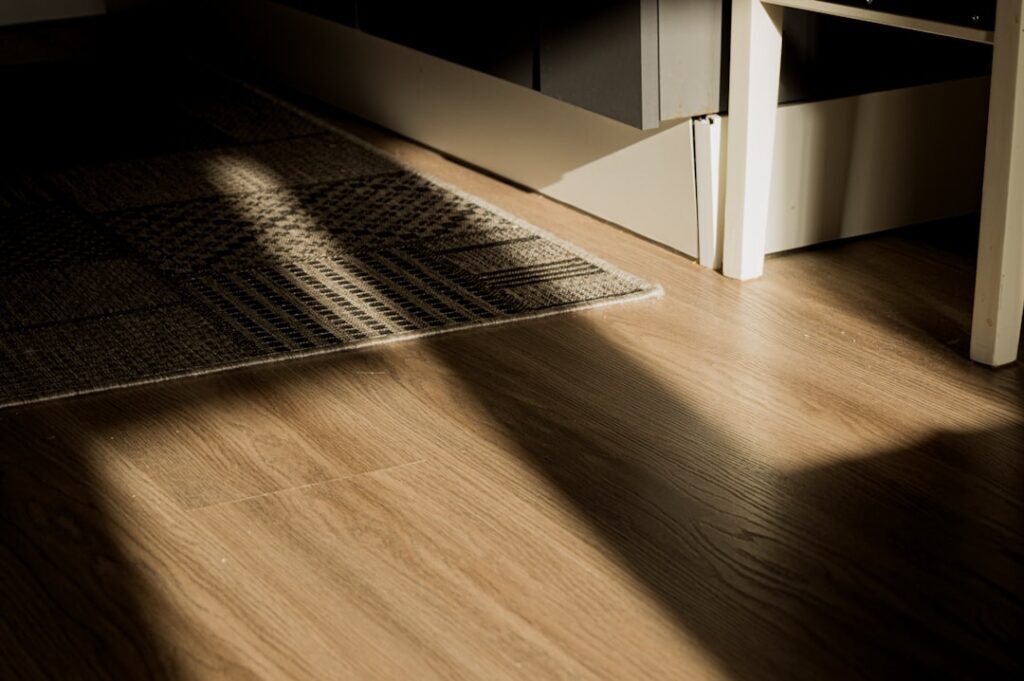
Carpet long ruled the bedroom, but a growing number of homeowners are choosing vinyl plank for its easy cleaning, allergy-friendliness, and modern wood look. Bedroom vinyl, typically luxury vinyl plank (LVP) or rigid-core SPC, brings warmth underfoot, quiet comfort, and waterproof durability to a room where those qualities genuinely matter. Because bedrooms see lighter traffic than hallways and kitchens, you can often choose a thinner, more affordable plank without sacrificing performance. This guide covers why vinyl works in bedrooms, what to look for, and how to choose the right product.
Why Vinyl Works in Bedrooms
Bedrooms are a near-ideal setting for vinyl plank. Traffic is low and largely barefoot, so even a modest wear layer holds up well. Vinyl is far easier to keep allergen-free than carpet, a real benefit for anyone with dust or pet sensitivities, and it gives the room a clean, contemporary wood look. Add a quality underlayment or an attached-pad product and bedroom vinyl feels warm and quiet underfoot, countering the old complaint that vinyl is cold and hard.
LVP vs. SPC for Bedrooms
Two construction types dominate, and the choice comes down to feel and budget.
- Flexible LVP (WPC core): Slightly softer and warmer underfoot, with a cushioned feel that suits a bedroom’s barefoot comfort.
- Rigid SPC: Harder and more dimensionally stable, more dent-resistant, and a bit firmer underfoot; pairs best with a good attached pad in a bedroom.
For most bedrooms, either works well. If maximum underfoot comfort is the priority, lean toward WPC or an SPC plank with a quality attached pad. Both are fully waterproof, which is a bonus for upstairs bedrooms above living spaces.
The Specs That Matter in a Bedroom
Because bedroom traffic is light, you can prioritize comfort and value over maximum toughness.
- Wear layer: 6 to 12 mil is perfectly adequate for a low-traffic bedroom, saving money versus the 20 mil needed in busy areas.
- Plank thickness: 4mm to 6mm feels solid and quiet underfoot.
- Attached pad: Adds warmth, quiet, and comfort, ideal for bedrooms.
- Acoustic rating (IIC): Matters for upstairs bedrooms to reduce noise transfer below.
The Pros of Bedroom Vinyl
The benefits line up well with what bedrooms need. Vinyl is easy to clean, hypoallergenic compared with carpet, and waterproof, so spills and the occasional pet accident wipe up without a stain. It delivers a stylish wood look that suits modern interiors and resists the matting and wear that age carpet. Installation is a DIY-friendly floating click-lock system, and with the right underlayment it is warm and quiet enough to step onto first thing in the morning.
The Cons to Weigh
Vinyl is not for everyone in the bedroom. Some people simply prefer the plush, cozy softness of carpet underfoot, especially in colder climates, and vinyl, even with a pad, is firmer than a plush carpet on a thick cushion. Hard subfloors can transmit cold without good underlayment, and very cheap planks may feel hollow or look less convincing. For upstairs bedrooms, you will want an acoustic underlayment to keep footsteps from echoing into the room below.
What It Costs
Bedroom vinyl is budget-friendly because you can choose a lighter-duty plank. Material typically runs $2 to $5 per square foot, with mid-range attached-pad lines in the sweet spot for comfort and value. Installed, expect $4 to $8 per square foot, though the easy floating install makes DIY very achievable and saves the labor line. A 150-square-foot bedroom might run $300 to $750 in material, or more with professional installation. Order 5 to 10 percent extra for cutting waste and future repairs.
Installation and Comfort Tips
A few choices maximize bedroom comfort. Install over a clean, flat, dry subfloor and leave a perimeter expansion gap. If your planks do not have attached pad, add a quality underlayment, choosing an acoustic-rated one for upstairs rooms. Acclimate the planks in the room for 48 hours before laying. For extra warmth and softness, layer a plush area rug beside the bed, which gives you the best of both worlds: easy-clean vinyl across the room and cozy softness where your feet land each morning.
Bedroom Vinyl vs. Carpet and Laminate
Choosing a bedroom floor usually comes down to vinyl, carpet, or laminate, and each has a clear case. Against carpet, vinyl wins on cleaning, allergens, and durability but gives up that plush, warm softness many people love in a bedroom, a gap you can partly close with an attached pad and a bedside rug. Against laminate, vinyl wins on waterproofing and a slightly warmer, quieter feel, while laminate can offer a crisper, more textured wood look at a similar price and is also DIY-friendly. If easy maintenance and an allergy-friendly surface top your list, vinyl is the stronger pick; if maximum coziness underfoot matters most, carpet still leads. Many homeowners now choose vinyl across the bedroom precisely because it photographs well, cleans easily, and lets them style warmth back in with rugs.
Styling a Bedroom With Vinyl Floors
Vinyl gives you a clean canvas, and a few styling moves make a bedroom feel warm rather than utilitarian. A large plush area rug under and around the bed delivers the soft landing your feet want each morning while leaving the easy-clean vinyl exposed elsewhere. Choose a plank tone that complements your furniture: warm oak and hickory looks feel cozy, while grey and whitewashed tones read modern and airy. Wider planks make a smaller bedroom feel larger, and running them along the longest wall reinforces that effect. Layer in soft textures through bedding, curtains, and an upholstered headboard to balance the hard floor. Done thoughtfully, bedroom vinyl combines the practicality of a wipeable surface with the comfort and warmth a bedroom should have.
Is Bedroom Vinyl Right for You?
Choose bedroom vinyl if you want easy cleaning, an allergy-friendly surface, waterproof durability, and a modern wood look, and you do not mind a firmer feel than carpet. Pick a comfort-focused plank with an attached pad, a 6 to 12 mil wear layer is plenty for the low traffic, and add an area rug for warmth. If plush, cozy softness underfoot is non-negotiable, carpet may still suit you better. For most homeowners, though, bedroom vinyl is a stylish, practical, and budget-friendly upgrade.
Prefer to explore on your own?
See how new flooring looks in your actual room in seconds — free, no signup.
Try the free Floor Studio →