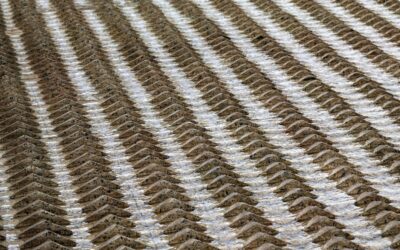
A beige checkered rug hits a sweet spot that few floor coverings manage: it brings visible pattern and texture to a room while staying neutral enough to layer with almost any palette. The soft, low-contrast grid reads as warm and grounded rather than busy, which is why checkered designs in beige, cream, and tan have moved from trend to staple in kitchens, entryways, and living rooms alike.
This guide covers the styles available, the best materials for different rooms, how to size and place the rug, and how to keep light tones looking clean over time.
Why the Checkered Pattern Works in Neutral Tones
Bold black-and-white checkerboard makes a statement, but it can dominate a space and fight with other patterns. Beige checkered designs soften that effect. The grid still adds rhythm and visual interest, yet the gentle contrast between two close shades, say oatmeal and warm taupe, keeps the eye relaxed.
That restraint makes these rugs incredibly versatile. They pair with modern, farmhouse, Scandinavian, coastal, and transitional interiors without clashing. Because the colors stay in the warm-neutral family, the rug acts more like a textured backdrop than a focal point, leaving you free to add color through pillows, art, and furniture.
Common Styles and Constructions
Checkered rugs come in several builds, and the construction shapes both the look and the feel underfoot.
- Flatweave (cotton or wool): Thin, reversible, and casual. Great for kitchens and entries where you want a low profile that fits under doors.
- Tufted wool or wool blend: Plush and substantial, with a defined pile that gives the checks dimension. A strong pick for living rooms and bedrooms.
- High-low or carved pile: The pattern is created through varying pile heights rather than color alone, producing a subtle tonal checkerboard with real texture.
- Jute or natural-fiber checks: Add an earthy, organic note and lean into the warm beige palette beautifully, though they feel coarser underfoot.
If you want the checks to stand out, choose a design with both color contrast and pile variation. If you prefer something quieter, a tonal high-low rug in a single beige family delivers pattern you feel more than you see.
Choosing the Right Material for the Room
Match the fiber to how the room gets used. A beautiful wool rug in the wrong spot becomes a maintenance headache fast.
- Wool: Naturally stain-resistant, durable, and resilient. Ideal for living rooms and bedrooms, though it carries a higher price.
- Cotton: Affordable, soft, and machine-washable in many flatweaves. Best for low-traffic or easy-clean zones.
- Polypropylene or polyester: Budget-friendly, fade-resistant, and easy to spot-clean. A practical choice for high-traffic and homes with kids or pets.
- Jute: Durable and textural, but harder to clean and not ideal where spills are likely.
For a kitchen or entryway, a washable cotton or low-pile synthetic makes life easier. For a formal living room, wool justifies its cost with longevity and a richer hand.
Sizing and Placement
A checkered pattern rewards correct sizing because the grid draws attention to the rug’s edges. An undersized rug floating in the middle of a room looks especially awkward when it carries an obvious geometric design.
- Living room: Choose a size large enough that at least the front legs of all seating rest on the rug. An 8×10 or 9×12 suits most setups.
- Dining room: Allow the rug to extend about 24 inches beyond the table so chairs stay on it when pulled out.
- Kitchen: A runner or 5×7 in front of the sink and prep area works well; align the checks parallel to the cabinet line.
- Bedroom: Place a large rug under the lower two-thirds of the bed, or use runners on each side.
For the cleanest look with a geometric pattern, keep the grid square to the walls. A checkerboard set crooked to the room reads as a mistake far more than a solid rug would.
Keeping Light Beige Tones Clean
The honest tradeoff with any pale rug is that it shows dirt sooner than a dark one. The good news: beige hides certain soil better than pure white or gray, and smart material choices close the gap.
- Vacuum regularly to lift grit before it grinds into the fibers and dulls the lighter checks.
- Blot spills immediately with a clean white cloth; never rub, which spreads the stain and frays fibers.
- Use a mild, color-safe cleaner and test it on a hidden corner first.
- Add a rug pad to reduce wear, prevent slipping, and improve airflow.
- Rotate the rug every few months so sun fading and foot traffic wear evenly.
For households with kids or pets, a washable beige checkered rug is worth seeking out. Many cotton and polyester versions are machine-washable in sizes up to about 5×7, and larger ones often come in tile or two-piece designs that fit a home washer.
Styling Ideas That Make the Rug Shine
Because the rug stays neutral, you have freedom to build around it. Lean into the warmth with creamy whites, soft browns, and natural wood for a calm, organic look. Or use the beige checkerboard as a quiet base under bolder elements, deep green velvet, black metal accents, or terracotta pottery, and let the rug keep the scheme from feeling chaotic.
In a kitchen, a checkered runner adds a touch of vintage bistro charm without committing to permanent flooring patterns. In an entryway, it signals a put-together home the moment guests walk in while quietly hiding the dust that doorways always attract.
What to Expect to Spend
Pricing depends heavily on material and size. As rough estimates, a synthetic or cotton beige checkered rug in a 5×7 might run $60 to $150, while a comparable wool version often falls in the $250 to $600 range. Large 9×12 wool rugs can climb well past $800, especially hand-tufted or hand-knotted pieces. Treat these as ballpark figures, since pricing shifts by brand, weave density, and retailer.
Spend where it counts. In a high-traffic kitchen, an affordable washable rug you can replace makes sense. In a living room you will keep for years, a quality wool beige checkered rug earns its price through durability and a look that stays current well beyond passing trends.