
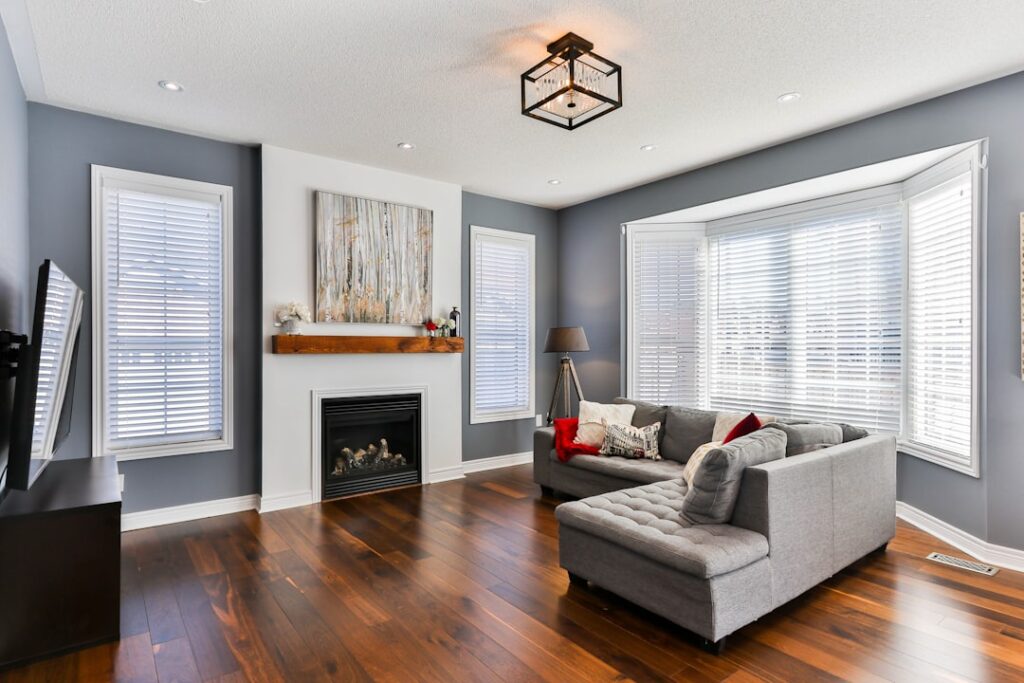
Bellawood hardwood flooring is the prefinished solid and engineered wood line sold by LL Flooring, the retailer formerly known as Lumber Liquidators. It is best known for its factory-applied finish, marketed with one of the longer finish warranties in the prefinished category. If you are weighing Bellawood against other hardwood brands, the key is understanding what you actually get for the price, where it shines, and where it falls short. This guide breaks down the construction, the pros and cons, and what to check before you buy.
What Bellawood Is
Bellawood is a brand of prefinished hardwood flooring, meaning the boards arrive sanded, stained, and sealed from the factory rather than finished after installation. The line spans both solid and engineered construction and a wide range of species, from domestic oak, maple, and hickory to imported exotics. Because it is prefinished, you skip the dust, fumes, and multi-day cure time of on-site finishing. You install the boards and the floor is ready to walk on right away. That convenience is a big part of the brand’s appeal.
The Finish Is the Headline
The factory finish is what most people remember about Bellawood. It uses a multi-coat, aluminum-oxide-fortified urethane finish cured under ultraviolet light, which produces a hard, abrasion-resistant surface. LL Flooring backs many Bellawood products with a lengthy finish warranty, historically marketed at up to 100 years on certain lines. Read the fine print: a finish warranty covers the wear-through of the coating under normal residential use, not dents, scratches from grit, water damage, or installation errors. Still, the cured aluminum-oxide topcoat is genuinely durable and resists everyday scuffing well.
Solid vs Engineered Bellawood
Bellawood offers both formats, and choosing correctly depends on your subfloor and climate.
- Solid Bellawood: A single piece of hardwood, typically 3/4 inch thick. It can be sanded and refinished multiple times over its life, but it is sensitive to moisture and is best installed above grade over a wood subfloor.
- Engineered Bellawood: A real hardwood veneer over a multi-ply core. It is more dimensionally stable, handles humidity swings better, and can go over concrete slabs or in basements where solid wood should not.
If you have a slab or live in a humid region, engineered is usually the smarter call. For a classic above-grade install where you want maximum refinishing life, solid wins.
Pros of Bellawood Hardwood Flooring
The brand has earned a loyal following for a few solid reasons. The durable factory finish reduces maintenance and resists everyday wear. The species selection is broad, so you can find everything from clean white oak to dramatic Brazilian exotics. Pricing tends to be competitive for genuine hardwood, often landing below comparable name-brand mill products. And buying prefinished saves the time, mess, and cost of on-site sanding and sealing.
- Tough, UV-cured aluminum-oxide finish with a long finish warranty
- Wide range of species, colors, and plank widths
- Both solid and engineered options under one brand
- Generally good value for real hardwood
Cons to Consider
No floor is flawless. Prefinished planks have micro-beveled edges where boards meet, which some homeowners dislike because dirt can collect in the seams and the surface is not perfectly flat like a site-finished floor. Availability can fluctuate with the retailer’s inventory, so a specific species or color may sell out. As with all solid hardwood, Bellawood is sensitive to moisture and humidity, so acclimation and proper subfloor prep are essential. And because it is sold through one retailer, you will not find it at every flooring store for price comparison.
What It Costs
Pricing varies by species, grade, and format, but Bellawood generally runs in the range of roughly $3 to $8 per square foot for materials, with exotic species and wider planks at the upper end. Engineered lines and standard domestic oak tend to sit toward the lower and middle of that band. Remember to budget for underlayment or moisture barrier, fasteners or adhesive, trim, and installation labor, which can add several dollars per square foot if you hire a pro. Always order about 5 to 10 percent extra for cuts and waste.
Buying Guide: What to Check
Use this checklist when you shop a Bellawood line:
- Format: Match solid or engineered to your subfloor and grade level.
- Janka hardness: Compare the species’ hardness rating; harder species like hickory resist dents better than softer ones.
- Plank width and length: Wider planks read as more upscale but show seasonal gaps more in dry climates.
- Warranty details: Read exactly what the finish warranty covers and what voids it.
- Return and acclimation policy: Confirm how long you can acclimate the wood and the retailer’s return window.
Caring for a Bellawood Floor
Maintenance is straightforward but specific. Sweep or vacuum regularly with a hardwood setting to remove grit, which is the main cause of fine scratches on any wood floor. Clean with a hardwood-safe cleaner and a barely damp microfiber mop; never wet-mop or use steam, since standing water and heat can damage the finish and the wood. Place felt pads under furniture legs, use rugs at entryways to catch grit, and keep pet nails trimmed. Maintain indoor humidity in a stable range, roughly 35 to 55 percent, to limit seasonal gapping and cupping. Done consistently, this routine keeps the aluminum-oxide finish looking fresh for years.
How Bellawood Compares to Alternatives
It helps to see where Bellawood sits among the options. Against luxury vinyl, it offers genuine wood character, refinishing potential, and resale appeal, but it costs more and is less water-tolerant. Against other prefinished hardwood brands, Bellawood competes mainly on price and its long finish warranty, often undercutting comparable name-brand mill products. Against site-finished hardwood, it saves you the dust, fumes, and multi-day cure time, though site-finished floors give a perfectly flat surface without micro-bevels. Knowing these trade-offs lets you decide whether the brand’s value proposition fits your priorities better than the alternatives.
Is Bellawood Right for You?
Bellawood hardwood flooring is a sensible choice if you want genuine prefinished wood with a tough factory finish at a competitive price. It is especially appealing to homeowners who want to skip on-site finishing and get a floor that is ready to use immediately. Just match the format to your subfloor, pick a species hard enough for your traffic, and read the warranty carefully so you know what is actually covered. Done right, a Bellawood floor delivers real-wood character and years of durable service.
Prefer to explore on your own?
See how new flooring looks in your actual room in seconds — free, no signup.
Try the free Floor Studio →

