Water is the natural enemy of most flooring. It warps hardwood, swells laminate, breeds mold under carpet, and lifts old vinyl at the seams. That is exactly why waterproof flooring has become one of the most requested categories in the industry. The benefits of waterproof flooring go well beyond surviving a spilled glass of water; they touch durability, maintenance, health, and even the resale value of your home.
As someone who has replaced countless water-damaged floors and installed the newer waterproof systems that prevent that damage in the first place, I can say the technology has genuinely changed what homeowners can expect from a floor. Here is a thorough look at why waterproof flooring earns its place in kitchens, bathrooms, basements, and increasingly, entire homes.
- What Waterproof Flooring Actually Means
- Superior Protection Against Spills and Moisture
- Exceptional Durability and Longevity
- Easy Cleaning and Low Maintenance
- Healthier Indoor Environment
- Versatility and Realistic Looks
- Where Waterproof Flooring Makes the Biggest Difference
- Comfort, Warmth, and Installation Advantages
- Understanding Waterproof Ratings and Warranties
What Waterproof Flooring Actually Means
First, a clarification that matters. Waterproof flooring means the flooring material itself will not be damaged by water, even if it sits on the surface for hours. This is different from water-resistant, which only means the floor can tolerate brief splashes before wiping. True waterproof products include luxury vinyl plank with a rigid PVC or stone-plastic composite core, porcelain and ceramic tile, and sheet vinyl.
It is worth noting that the flooring being waterproof does not make your entire installation immune to moisture. Water can still seep through seams to the subfloor if a flood sits long enough. But for everyday spills, pet accidents, and humid conditions, waterproof flooring holds up where traditional materials would fail, and that reliability is the foundation of every benefit that follows.
Superior Protection Against Spills and Moisture
The headline benefit is obvious but powerful: you stop worrying about water. Dropped drinks, dishwasher leaks, overflowing tubs, muddy boots, and pet accidents no longer threaten your investment. With hardwood or laminate, a single unnoticed leak under the dishwasher can mean thousands of dollars in replacement. Waterproof flooring simply shrugs it off, giving you real peace of mind in the highest-risk rooms.
This protection also extends to humidity. Basements, laundry rooms, and homes in humid climates put constant moisture stress on flooring. Waterproof materials will not swell, cup, or delaminate under those conditions, so they stay flat and tight-seamed for years where a laminate floor might buckle within a season.
Exceptional Durability and Longevity
Waterproof flooring, especially rigid-core luxury vinyl and porcelain tile, is built tough. Rigid-core LVP resists dents, scratches, and heavy foot traffic, and many products carry 15- to 25-year residential warranties. Porcelain tile is even harder and can last decades, often outliving the rest of the room. Because water damage is such a common reason floors get replaced, eliminating that failure mode dramatically extends real-world lifespan.
For busy households with kids, pets, and heavy daily use, this durability translates into lower long-term costs. You are not just avoiding water damage; you are choosing a surface engineered to look good after years of abuse. That combination of toughness and moisture immunity is why waterproof flooring often becomes the last floor a room needs for a long time.
Easy Cleaning and Low Maintenance
Waterproof floors are remarkably low maintenance, which is a benefit you appreciate every single week. Because water will not hurt them, you can damp mop freely, use a steam mop on many products, and scrub up messes without the careful, barely-damp routine that hardwood demands. Sweeping and an occasional wet mop keep them looking new with minimal effort.
There are no finishes to reapply, no waxing, and no refinishing cycles like solid wood requires. Spills wipe away instead of soaking in and staining. For homeowners who want a beautiful floor without a maintenance chore list, waterproof flooring is one of the most forgiving choices on the market, and that ease of care adds up over the years.
Healthier Indoor Environment
Moisture is what allows mold and mildew to grow, and those can trigger allergies and respiratory problems. Because waterproof flooring does not absorb water, it gives mold far fewer footholds compared to carpet or water-damaged wood. In basements and bathrooms especially, a non-absorbent floor helps keep the space healthier and easier to keep clean and dry.
Hard waterproof surfaces also do not trap dust, dander, and allergens the way carpet fibers do. For families with allergy sufferers, switching from carpet to a waterproof hard surface often produces a noticeable improvement in air quality. Combined with easy cleaning, this makes waterproof flooring a smart choice for health-conscious homeowners.
Versatility and Realistic Looks
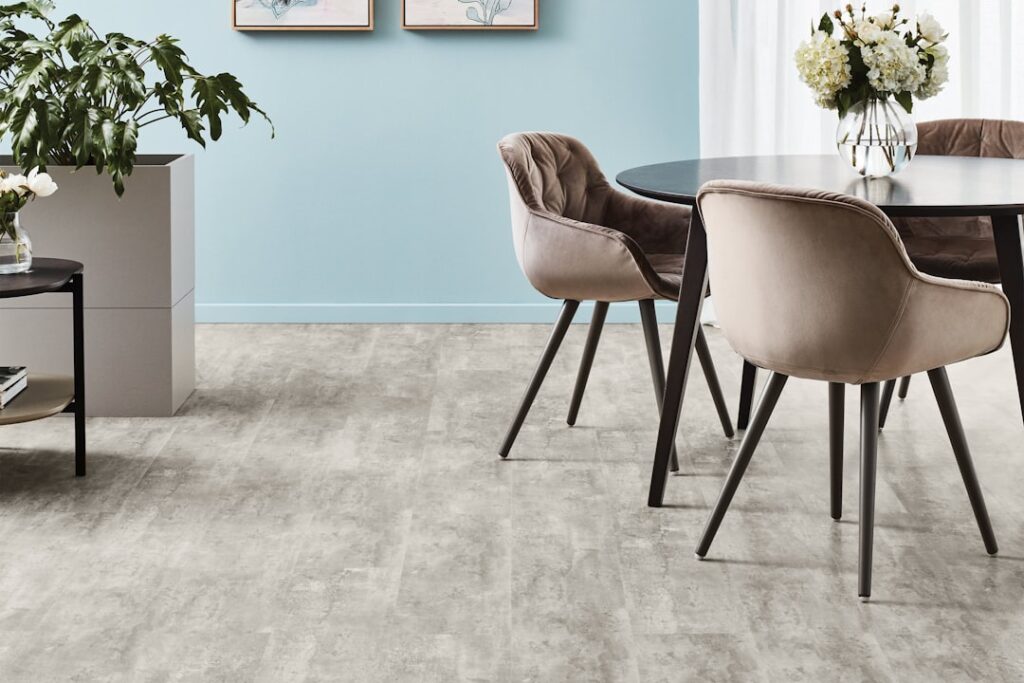
Modern waterproof flooring no longer means sacrificing style. Today’s luxury vinyl uses high-definition printing and embossed textures that convincingly mimic oak, walnut, hickory, marble, and stone, often for a fraction of the price of the real thing. You can get the warm look of hardwood in a bathroom or basement, places where real wood would be a mistake.
This versatility means you can run one attractive waterproof floor through your entire home, including wet zones, for a seamless, cohesive look. Porcelain tile similarly comes in wood-look planks, marble looks, and concrete looks. The design freedom, paired with the practical protection, is a big reason waterproof flooring has moved from a niche product to a mainstream default.
Where Waterproof Flooring Makes the Biggest Difference
Every room benefits, but some gain more than others. Bathrooms, kitchens, laundry rooms, mudrooms, and basements are the highest-value locations because they face the most water exposure. In these spaces, waterproof flooring is less a luxury and more a practical necessity that prevents expensive, recurring damage.
Waterproof flooring also adds resale appeal, since buyers value low-maintenance, worry-free surfaces in wet areas. When you weigh the modest price premium against the cost of replacing a water-ruined floor even once, the benefits of waterproof flooring make it one of the smartest long-term investments you can make in your home.
Comfort, Warmth, and Installation Advantages
Beyond protection, many waterproof floors offer genuine comfort advantages. Rigid-core luxury vinyl is softer and warmer underfoot than ceramic or porcelain tile, and it muffles sound, which makes it pleasant for kitchens and basements where you stand and walk a lot. Some products include an attached underlayment pad that adds cushion and further reduces noise, a welcome feature in busy households and multi-level homes.
Installation is another practical benefit. Most rigid-core waterproof planks click together as a floating floor, meaning they lock edge to edge and rest over the subfloor without glue or nails. This makes them fast to install, forgiving of minor subfloor imperfections, and realistic for DIYers. Because they do not require the mortar, grout, and cure time of tile, a waterproof vinyl floor can often be installed in a single day, getting the room back in service quickly.
Understanding Waterproof Ratings and Warranties
Not all products marketed as water-friendly are created equal, so it pays to read the fine print. Look specifically for the word waterproof rather than water-resistant, and check the warranty language, which often specifies how long the floor can withstand standing water. Reputable rigid-core vinyl brands back their waterproof claims with substantial residential warranties, frequently 15 to 25 years, which signals real confidence in the product.
Also pay attention to the wear layer thickness, measured in mils, since a thicker wear layer resists scratches and extends the floor’s life in high-traffic areas. A 12- to 20-mil wear layer is a good target for busy homes. Understanding these specifications helps you choose a genuinely durable waterproof floor rather than a bargain product that merely tolerates splashes. Matching the right rating and warranty to your room ensures you actually receive all the benefits waterproof flooring promises. For the highest-risk rooms like basements and bathrooms, it is worth spending a little more on a proven brand with a strong warranty, since the peace of mind and longevity easily justify the modest premium.
Prefer to explore on your own?
See how new flooring looks in your actual room in seconds — free, no signup.
Try the free Floor Studio →