
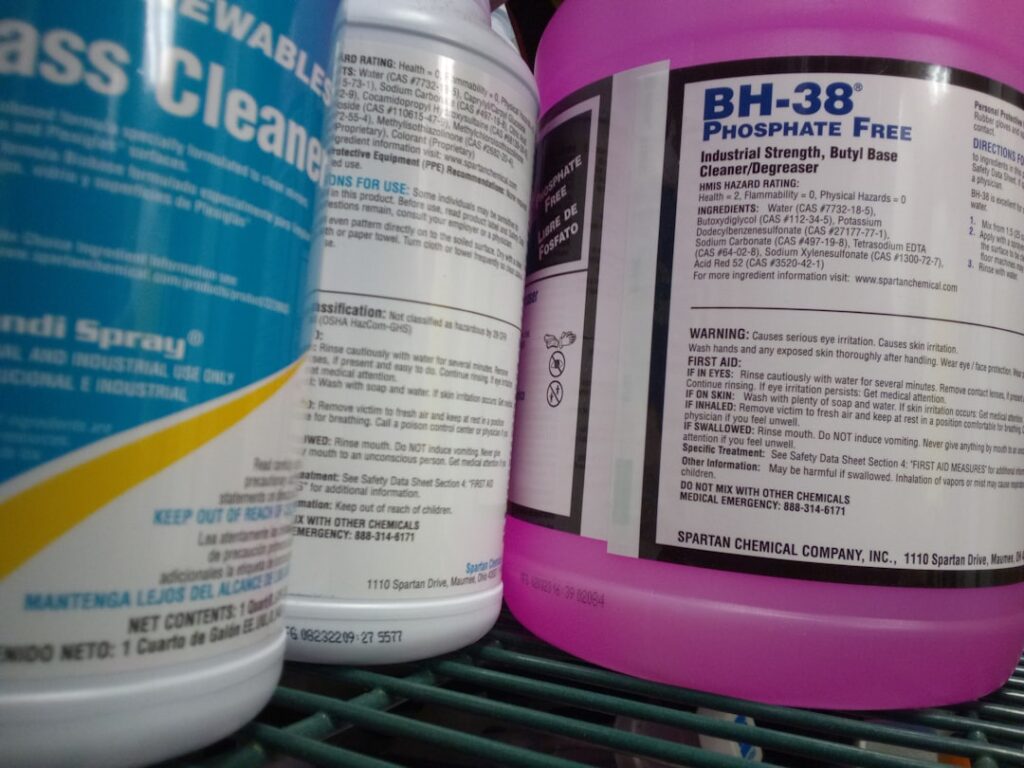
Choosing the best floor cleaning solution is not as simple as grabbing whatever is on sale. The wrong product can dull hardwood finishes, leave sticky residue on tile, or damage laminate seams. After 30-plus years in the flooring business, I have seen the damage that comes from using the wrong cleaner, and I have tested just about every product on the market.
This guide breaks down the best cleaning solutions by floor type so you can clean effectively without risking damage to your investment.
- Best Cleaning Solution for Hardwood Floors
- Best Cleaning Solution for Tile Floors
- Best Cleaning Solution for Laminate Floors
- Best Cleaning Solution for Vinyl Floors
- Best Multi-Surface Floor Cleaners
- DIY Floor Cleaning Recipes
- What to Avoid When Cleaning Floors
- How to Choose the Right Cleaning Solution
- Frequently Asked Questions
Best Cleaning Solution for Hardwood Floors
Hardwood floors have polyurethane or wax finishes that require pH-neutral, low-moisture cleaners. The best floor cleaning solution for hardwood should leave zero residue, dry quickly, and never introduce excess water.
Top picks for hardwood:
1. Bona Hardwood Floor Cleaner ($8 – $12 for 36 oz)
- The industry gold standard for polyurethane-finished hardwood
- pH-neutral, water-based, no residue
- Recommended by the National Wood Flooring Association
- Available in spray bottle and refill concentrate
2. Bruce Hardwood Floor Cleaner ($7 – $10 for 32 oz)
- Slightly cheaper than Bona with comparable performance
- Works on hardwood, laminate, and vinyl
- Concentrate version offers outstanding value
3. Method Wood Floor Cleaner ($6 – $8 for 28 oz)
- Plant-based, non-toxic formula
- Pleasant almond scent
- Good performance on lightly soiled floors
- May struggle with heavy grime compared to Bona
What to avoid on hardwood: Steam mops, oil soaps (Murphy’s on poly finishes), vinegar in high concentrations, ammonia, bleach, and any product that leaves a waxy buildup.
Best Cleaning Solution for Tile Floors
Tile floors (ceramic, porcelain, and natural stone) are more forgiving than hardwood, but grout lines require special attention. The best tile cleaners cut through grease and grime without leaving a haze on the tile surface.
Top picks for tile:
1. Zep Grout Cleaner and Brightener ($8 – $12 for 32 oz)
- Excellent for restoring dingy grout to its original color
- Spray-on, brush, rinse formula
- Not for daily use; best as a monthly deep cleaner
2. Bona Hard-Surface Floor Cleaner ($8 – $11 for 36 oz)
- Safe for ceramic, porcelain, and sealed stone tile
- No-rinse, streak-free formula
- Good for daily and weekly cleaning
3. Rejuvenate Floor Cleaner ($7 – $10 for 32 oz)
- Works on all hard surfaces including tile
- No-bucket formula, spray and mop
- Fresh scent that does not overpower
For natural stone tile (marble, slate, travertine): Use only pH-neutral stone cleaners like StoneTech or Granite Gold. Acidic cleaners, even mild ones, can etch and permanently damage natural stone surfaces.
Best Cleaning Solution for Laminate Floors
Laminate flooring has a photographic layer protected by a melamine wear layer. Excess water is the biggest enemy, as it seeps into seams and causes irreversible swelling. The best floor cleaning solution for laminate dries almost instantly.
Top picks for laminate:
1. Bona Hard-Surface Floor Cleaner ($8 – $11 for 36 oz)
- Safe for all laminate brands
- Low-moisture formula dries in seconds
- No residue or streaking
2. Black Diamond Wood and Laminate Cleaner ($10 – $14 for 32 oz)
- Specifically formulated for laminate and engineered wood
- Biodegradable and non-toxic
- Spray and mop, no rinsing
3. Quick Shine Multi-Surface Floor Cleaner ($7 – $9 for 27 oz)
- Plant-based formula with no wax or polish
- Safe for laminate, tile, and vinyl
- Budget-friendly
Critical rules for laminate: Never use a wet mop. Never use a steam mop. Never use wax or polish products. Always use the spray-and-mop method with a microfiber pad wrung almost dry.
Best Cleaning Solution for Vinyl Floors
Vinyl flooring, including luxury vinyl plank (LVP) and sheet vinyl, is durable and water-resistant, but it can be damaged by harsh chemicals and abrasive cleaners that strip the wear layer.
Top picks for vinyl:
1. Rejuvenate Luxury Vinyl Floor Cleaner ($8 – $11 for 32 oz)
- Designed specifically for LVP and LVT
- pH-balanced, no-rinse formula
- Will not dull or damage the wear layer
2. Bona Hard-Surface Floor Cleaner ($8 – $11 for 36 oz)
- Works on vinyl just as well as tile and laminate
- Consistent, reliable results
3. Aunt Fannie’s Floor Cleaner Vinegar Wash ($8 – $10 for 32 oz)
- Pre-diluted vinegar formula safe for vinyl
- Natural, non-toxic ingredients
- Available in multiple scents
What to avoid on vinyl: Acetone, undiluted bleach, abrasive scrubbing powders, and rubber-backed mats that can cause yellowing through a chemical reaction.
Best Multi-Surface Floor Cleaners
If your home has multiple floor types and you want one product that handles everything safely, these multi-surface cleaners deliver:
1. Bona Multi-Surface Floor Cleaner ($9 – $13 for 36 oz) — My top recommendation. Safe for hardwood, tile, laminate, vinyl, and stone. Residue-free and pH-neutral.
2. Better Life Floor Cleaner ($9 – $12 for 32 oz) — Plant-based, no synthetic fragrances. Works on all sealed hard floors. A solid choice for households with chemical sensitivities.
3. Rejuvenate All Floors Cleaner ($7 – $10 for 32 oz) — Budget-friendly option that cleans effectively on most floor types. Spray-and-mop formula.
Multi-surface cleaners are convenient, but for deep cleaning or specific problems (like grout stain or hardwood haze), a floor-type-specific product will outperform a generalist every time.
DIY Floor Cleaning Recipes
Homemade cleaning solutions can work well when mixed properly. Here are recipes I have tested and trust:
For tile and vinyl:
- 1 gallon warm water
- 1/2 cup white vinegar
- 1 tablespoon dish soap (Dawn or similar)
- Works well for regular cleaning. Rinse with clean water after.
For hardwood (occasional use only):
- 1 gallon warm water
- 1/4 cup white vinegar
- Use sparingly with a barely damp mop. Not for weekly use as vinegar dulls poly finishes over time.
For laminate:
- 1 gallon warm water
- 1/4 cup rubbing alcohol
- 1/4 cup white vinegar
- 3 drops dish soap
- Spray lightly and mop immediately. The alcohol helps it evaporate quickly.
Important note: DIY solutions lack the surfactants and pH balancing found in commercial products. They work for light cleaning but may not match the performance of a quality commercial cleaner on heavily soiled floors.
What to Avoid When Cleaning Floors
Knowing what NOT to use is just as important as knowing the best floor cleaning solution for your floors. These are the most common mistakes I see:
- Steam mops on hardwood or laminate. The heat and moisture penetrate seams and can cause warping, delamination, and finish damage.
- Bleach on hardwood. Strips the finish and discolors the wood.
- Oil soap on polyurethane hardwood. Builds up over time, yellows, and prevents proper adhesion if you need to refinish.
- Abrasive cleaners on vinyl. Scrubbing powders and rough sponges scratch the wear layer permanently.
- Wax products on floors with a polyurethane finish. Creates a hazy, slippery surface that is difficult to remove.
- Too much water on any floor. Even tile and vinyl benefit from a damp-mop approach rather than a soaking-wet one.
How to Choose the Right Cleaning Solution
Follow this decision tree to pick the right product:
- Identify your floor type. Check your purchase records, look at seams and edges, or tap the surface. Hardwood sounds solid, laminate sounds hollow, vinyl has slight flex.
- Check the finish. Most modern hardwood has polyurethane. If water beads, it is sealed. If it soaks in, the floor may be waxed or unfinished.
- Match the cleaner to the finish, not just the material. A poly-finished hardwood and a wax-finished hardwood require completely different products.
- Start with a small test area. Spray a hidden spot, wait 5 minutes, wipe, and check for any changes.
- Buy concentrate if you clean weekly. The cost savings are 50 to 70 percent over time.
Frequently Asked Questions
What is the best all-around floor cleaning solution?
Bona Multi-Surface Floor Cleaner is the most reliable all-around option. It is safe for hardwood, laminate, tile, vinyl, and stone. It is pH-neutral, residue-free, and widely available. For homes with only one floor type, a floor-specific cleaner may perform marginally better.
Can I use dish soap to clean my floors?
A very small amount of dish soap (2 to 3 drops per gallon) mixed with water works as an emergency cleaner for tile and vinyl. Do not use it on hardwood or laminate regularly, as even a tiny amount of soap residue can dull finishes and make floors feel tacky.
Is vinegar safe for cleaning floors?
Vinegar is safe for tile and vinyl when diluted (1/2 cup per gallon). It is risky for hardwood, as the acidity gradually breaks down polyurethane finishes. For laminate, occasional diluted use is acceptable but not ideal. If you want a natural cleaner for hardwood, choose a plant-based commercial product instead.
How often should I mop my floors?
Most floors benefit from a damp mop once a week. High-traffic areas like kitchens and entryways may need mopping twice weekly. Daily dry sweeping or dust mopping between wet cleanings prevents grit from scratching the surface.
Do expensive floor cleaners work better than cheap ones?
Not always. The difference between a $7 cleaner and a $15 cleaner is usually minimal in daily cleaning performance. What matters more is using the right type of cleaner for your floor. A cheap cleaner designed for your floor type will outperform an expensive cleaner designed for a different surface.
Prefer to explore on your own?
See how new flooring looks in your actual room in seconds — free, no signup.
Try the free Floor Studio →

