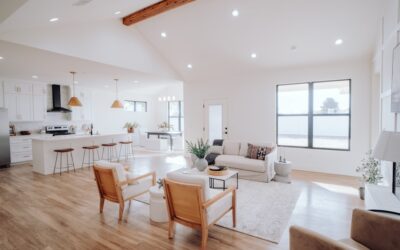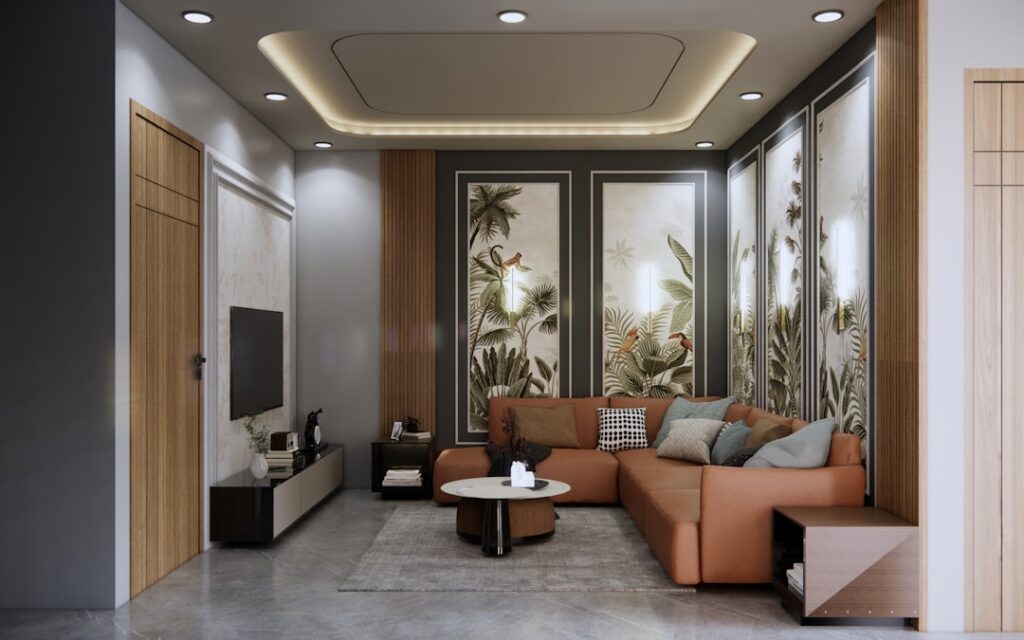
There is no single answer to the question of the best flooring for homes, because the right floor depends entirely on the room, your lifestyle, and your budget. A surface that is perfect for a basement would be a poor choice in a sunlit living room, and the carpet that feels luxurious in a bedroom would be a disaster in a mudroom. The smart approach is to match each material to where it performs best, and that is exactly what this guide does.
We will walk through the major flooring types, their strengths and weaknesses, and which rooms suit them. By the end you will know how to build a whole-home flooring plan that balances looks, durability, and cost.
The Five Main Flooring Categories
Most homes use a mix of these materials. Here is a quick overview before we get into room-by-room recommendations:
- Hardwood: Timeless, refinishable, and adds resale value. Solid or engineered.
- Luxury vinyl (LVP/SPC): Waterproof, durable, and budget-friendly with realistic wood and stone looks.
- Tile (porcelain/ceramic): Waterproof and nearly indestructible, ideal for wet and high-traffic areas.
- Laminate: Affordable wood looks with a tough wear layer, water-resistant in newer products.
- Carpet: Soft, warm, and quiet, best for comfort-focused rooms.
Best Flooring for Living Rooms and Bedrooms
Living rooms reward materials that look great and handle steady foot traffic. Engineered hardwood is a top pick here, delivering the warmth of real wood with better dimensional stability than solid planks. Luxury vinyl plank is a strong runner-up, especially in homes with kids and pets, since it shrugs off scratches and spills at a lower price.
Bedrooms are where comfort wins. Carpet remains popular for its softness underfoot and sound absorption, particularly in upstairs rooms. If you prefer hard surfaces, hardwood or LVP paired with a plush area rug gives you the best of both worlds, easy cleaning plus a soft landing by the bed.
Best Flooring for Kitchens and Bathrooms
Water is the deciding factor in these rooms. Porcelain tile is the gold standard for bathrooms and works beautifully in kitchens, offering complete waterproofing and decades of service. Its only downsides are a hard, cold underfoot feel and a higher install cost, both of which radiant heat and rugs can offset.
For a warmer, more forgiving kitchen floor, luxury vinyl plank is hard to beat. Rigid-core SPC is fully waterproof, comfortable to stand on, and far cheaper than tile. In bathrooms, stick with tile or waterproof LVP and avoid solid hardwood, laminate, and carpet, all of which struggle with moisture.
Best Flooring for Basements and Entryways
Basements sit below grade, so the concrete slab wicks moisture even when it feels dry. That rules out anything organic. Luxury vinyl plank and porcelain tile are the safest bets, both handling humidity and the occasional minor leak without warping. If you want softness, choose a moisture-resistant carpet tile system you can lift and replace if water intrudes.
Entryways and mudrooms take the worst abuse, grit, salt, rain, and snow. Porcelain tile is the most durable option here, while waterproof LVP offers a warmer feel that still cleans up easily. Skip hardwood at exterior doors unless you have a generous mat system to catch debris.
Comparing Cost and Durability
Budget often decides the final call, so here is roughly what each material costs installed:
- Carpet: $3 to $7 per square foot, lifespan 5 to 15 years.
- Laminate: $3 to $8 per square foot, lifespan 10 to 25 years.
- Luxury vinyl plank: $3 to $9 per square foot, lifespan 15 to 25 years.
- Engineered hardwood: $8 to $14 per square foot, lifespan 20 to 40 years with refinishing.
- Porcelain tile: $10 to $20 per square foot, lifespan 50-plus years.
Cheaper materials cost less today but may need replacing sooner, so factor lifespan into the math. A tile floor that lasts half a century can be cheaper per year than carpet you replace three times.
Building a Whole-Home Plan
For visual flow, many homeowners run one material, often LVP or hardwood, through the main living areas, then switch to tile in baths and laundry and carpet in bedrooms. Keeping the palette consistent makes a home feel larger and more cohesive. Choose a neutral tone you can live with for years rather than chasing a short-lived trend.
When in doubt, prioritize waterproofing in wet rooms, comfort in bedrooms, and durability in entryways. Order samples and view them under your own lighting before committing, since showroom bulbs distort color, and always add 10 percent to your measurements for waste.
Matching Flooring to Your Lifestyle
Your household habits should weigh as heavily as the room itself. Homes with large dogs need scratch resistance above all, which pushes you toward SPC vinyl with a 20-mil or thicker wear layer, or porcelain tile, over softer hardwood or low-grade laminate. Families with young kids benefit from waterproof, easy-clean surfaces in play areas and a forgiving cushion underfoot.
Allergy sufferers often do better with hard surfaces than carpet, since carpet traps dust, dander, and pollen that hard floors release with a quick sweep. If anyone in the home has mobility concerns, prioritize slip resistance and avoid high-gloss finishes that turn treacherous when damp. Be honest about how you actually live, and the right material usually becomes obvious.
Don’t Forget the Subfloor
Even the best flooring fails over a bad subfloor. Before you order anything, have the subfloor inspected for level, moisture, and soundness. Rigid-core vinyl bridges only minor imperfections, roughly 3/16 inch over 10 feet, so anything worse needs leveling compound first. Slabs should be moisture-tested, especially below grade, since trapped humidity can ruin an otherwise perfect install.
Budget for prep in your plan rather than treating it as a surprise. Self-leveling compound, moisture barriers, and underlayment can add $1 to $3 per square foot, but skipping them is the fastest way to end up with squeaks, gaps, or a floor that lifts within a year. Good prep is invisible when it is done right and impossible to ignore when it is skipped.
Final Thoughts
The best flooring for homes is the one matched to each room’s demands: tile and waterproof vinyl where water is a threat, hardwood and LVP in main living spaces, and carpet where comfort counts. Plan room by room, weigh upfront cost against lifespan, and you will end up with a home that looks unified and holds up for years to come.
Prefer to explore on your own?
See how new flooring looks in your actual room in seconds — free, no signup.
Try the free Floor Studio →