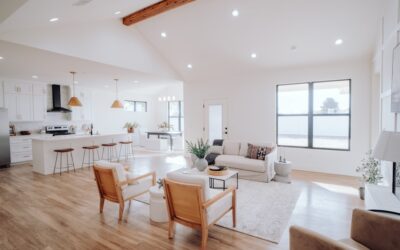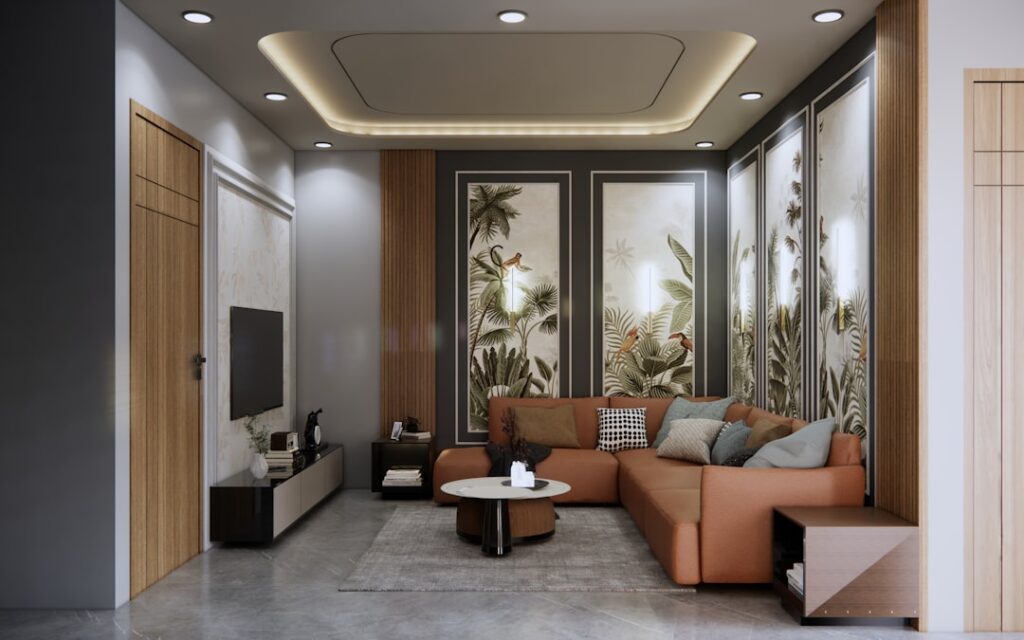
There is no single best floor for an entire house, and chasing one is the fastest way to waste money. The best flooring for houses is a smart mix matched to each room’s traffic, moisture, and budget. A waterproof floor belongs in the bathroom; warm carpet belongs in the bedroom; durable, good-looking plank ties the open living areas together. This guide breaks down the top options and tells you exactly where each one earns its place.
- Luxury Vinyl Plank: The All-Rounder
- Hardwood: The Long-Term Investment
- Tile: The Wet-Area Champion
- Laminate: The Budget Performer
- Carpet: Comfort Where It Counts
- Comparing the Options on Key Factors
- A Room-by-Room Game Plan
- Matching Flooring to Your Lifestyle
- Cohesion and Flow Between Rooms
- How to Decide for Your Home
By the end, you’ll know which material to put in every room and roughly what it costs installed.
Luxury Vinyl Plank: The All-Rounder
If you want one material for most of the house, LVP is hard to beat. It’s waterproof, scratch-resistant, comfortable underfoot, and convincingly mimics wood and stone. Installed cost runs about $4 to $9 per square foot. It handles kitchens, hallways, basements, and living areas with ease, and the rigid SPC versions stand up to kids and pets.
For best results, choose a wear layer of 20 mil or more in busy households. The main downside is that it’s not real wood, so it won’t add quite the same resale appeal as hardwood in higher-end homes.
Hardwood: The Long-Term Investment
Solid and engineered hardwood remain the gold standard for living rooms, dining rooms, and bedrooms in many homes. Installed cost typically runs $8 to $15 per square foot. The big advantages are timeless looks, strong resale value, and the ability to refinish solid wood multiple times over decades.
Keep hardwood out of full bathrooms and below-grade basements, where moisture causes cupping. Engineered hardwood tolerates humidity and concrete subfloors better than solid wood, making it the more flexible choice in many homes.
Tile: The Wet-Area Champion
Porcelain and ceramic tile own the bathrooms, laundry rooms, mudrooms, and entryways. Fully waterproof, extremely durable, and easy to clean, tile lasts for decades. Installed cost ranges from about $7 to $20 per square foot depending on the tile and pattern.
Tile is hard and cold underfoot, which is why it’s less ideal for bedrooms unless you add radiant heat. In warm climates, though, that coolness is a feature.
Laminate: The Budget Performer
When you want a wood look on a tight budget, laminate delivers. Installed cost runs roughly $3 to $7 per square foot, and modern AC4-rated laminate resists scratches well. It suits living areas and bedrooms in lower-traffic, lower-moisture homes.
Traditional laminate isn’t waterproof, so keep it away from bathrooms and avoid standing water. Newer water-resistant lines have narrowed that gap, but tile or vinyl is still safer in wet zones.
Carpet: Comfort Where It Counts
For bedrooms, nurseries, and finished basement family rooms, nothing beats carpet for warmth, sound absorption, and softness. Installed cost ranges from about $3 to $8 per square foot including pad. Choose a stain-resistant fiber and a quality pad to extend its life.
Carpet stains and traps allergens more than hard surfaces, so it’s a poor fit for kitchens, baths, and high-traffic entries.
Comparing the Options on Key Factors
Each material has clear strengths and weaknesses across the factors that matter most to homeowners. Use this quick comparison to weigh your priorities:
- Durability: tile and LVP lead, followed by hardwood; laminate and carpet trail in high-traffic zones.
- Water resistance: tile and LVP are waterproof; hardwood and standard laminate are vulnerable.
- Comfort underfoot: carpet wins, then LVP and hardwood; tile is hard and cold.
- Maintenance: LVP and tile are easiest; hardwood and carpet need more care.
- Resale value: hardwood is strongest, with quality tile and LVP close behind.
- Upfront cost: laminate and carpet are cheapest; hardwood and premium tile cost the most.
A Room-by-Room Game Plan
- Kitchen: LVP or tile for waterproofing and easy cleanup
- Bathrooms and laundry: porcelain tile or waterproof LVP
- Living and dining: hardwood or premium LVP for looks and durability
- Bedrooms: carpet for comfort, or hardwood with area rugs
- Basement: LVP or tile, which tolerate concrete and moisture
- Entryway and mudroom: tile to handle grit and water
Matching Flooring to Your Lifestyle
Beyond the room itself, your household’s habits should steer the decision. The same kitchen calls for different flooring depending on who lives there:
- Homes with pets: scratch-resistant LVP with a 20-mil wear layer or tile resists claws and accidents.
- Young families: waterproof, easy-clean surfaces like LVP forgive spills and messes.
- Allergy sufferers: hard surfaces over carpet, since they trap fewer allergens.
- Resale-focused owners: hardwood in main living areas for the strongest buyer appeal.
- Budget-conscious remodelers: laminate and quality LVP deliver the look for less.
Cohesion and Flow Between Rooms
One of the most overlooked aspects of choosing flooring for a whole house is how the materials transition from room to room. In open-concept homes, running a single floor through the kitchen, dining, and living areas makes the space feel larger and more cohesive. Switch materials only at natural breakpoints like doorways or where a hallway meets a tiled bath. Keeping wood tones and undertones consistent across adjacent rooms prevents a choppy, disjointed look, even when you use different materials in each space.
How to Decide for Your Home
Start with three questions for each room: How much moisture will it see? How heavy is the traffic? What’s the budget? Match the answers to the materials above. For a cohesive look, keep the same flooring flowing through connected open spaces and switch materials only at natural transitions like doorways. Buy quality where it counts, save where you can, and you’ll have a house that looks pulled together and holds up for years.
A practical strategy for many homeowners is to invest the bulk of the budget in the main living areas and entryways that guests see and that take the most traffic, then economize in private spaces like bedrooms. Spending wisely room by room, rather than treating every space the same, gives you a home that performs where it matters most without blowing the budget on areas that see light use.
Whatever you choose, order samples and view them in your own home’s lighting before committing, since floors look different under natural and artificial light. Buy 10 percent extra of each material for cuts and future repairs, and store the leftovers. With a clear room-by-room plan and quality products matched to how you actually live, your floors will look cohesive, perform reliably, and add lasting value to your home for many years.
Prefer to explore on your own?
See how new flooring looks in your actual room in seconds — free, no signup.
Try the free Floor Studio →