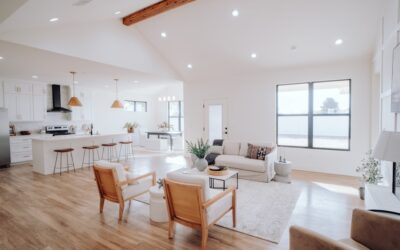
The kitchen is the hardest-working room in most homes, and the flooring takes the brunt of it. Spills, splashes, dropped utensils, heavy foot traffic, and the constant shuffle between sink, stove, and fridge put demands on kitchen flooring that bedrooms and living rooms never see. The best flooring for kitchens needs to handle moisture, resist stains and scratches, feel comfortable for long standing sessions, and still look good after years of daily abuse.
Here is a practical comparison of the top kitchen flooring options, with honest assessments of what works, what does not, and what makes sense for different budgets and lifestyles.
Top Kitchen Flooring Materials
1. Luxury Vinyl Plank (LVP)
Luxury vinyl plank has become the most popular kitchen flooring choice in recent years, and the reasons are straightforward. It is 100% waterproof, comfortable to stand on, and available in wood and stone visuals that look convincing at a fraction of the cost. Modern rigid-core LVP (both SPC and WPC constructions) will not warp or swell when water sits on the surface, which happens daily in kitchens.
LVP is also forgiving underfoot. Compared to tile or hardwood, standing on vinyl for extended cooking sessions is noticeably more comfortable, especially products with attached foam or cork pads. The click-lock floating installation means most homeowners can handle this as a DIY project over a weekend.
Cost: $3 to $7 per square foot for materials; $5 to $11 installed.
Durability: 15 to 25 years with proper care.
Best for: Families with kids, pet owners, budget-conscious homeowners, DIY installers.
2. Porcelain Tile
Porcelain tile is the most durable option on this list. It handles water, stains, scratches, and heavy impacts better than any other kitchen flooring material. Drop a cast iron pan on porcelain and you might chip the tile, but it will not dent, scratch, or water-stain like softer materials. Porcelain is also the easiest kitchen floor to clean, resisting everything from red wine to cooking oil.
The trade-off is comfort. Porcelain is cold and hard, and standing on it while preparing a multi-course dinner gets tiring. Anti-fatigue mats at the sink and stove help, and radiant floor heating eliminates the cold factor (at a price). Dropped glasses and plates will shatter on tile more violently than on softer surfaces, which matters if you have young kids.
Cost: $5 to $10 per square foot for materials; $8 to $15 installed.
Durability: 25 to 50+ years.
Best for: Heavy cooks, households that prioritize durability and low maintenance, high-end kitchen renovations.
3. Hardwood
Hardwood flooring in kitchens is a classic choice that never goes out of style. It is warm underfoot, adds genuine character, and increases home value. Oak, maple, and hickory are the most popular species for kitchens because they are hard enough to resist denting from foot traffic and dropped items.
The concern with hardwood in kitchens is water. Solid hardwood is not waterproof, and repeated exposure to water around the sink, dishwasher, and refrigerator can cause swelling, warping, and discoloration. You need to wipe up spills promptly and maintain the finish to keep moisture from penetrating. Engineered hardwood handles moisture slightly better than solid wood due to its layered construction, but it is still not waterproof.
Cost: $6 to $12 per square foot for materials; $10 to $18 installed.
Durability: 20 to 100+ years (can be refinished multiple times).
Best for: Homeowners who value natural materials and warmth, open-concept kitchens that flow into living areas with hardwood, homes where resale value matters.
4. SPC Vinyl Flooring
SPC (stone plastic composite) flooring is a rigid-core vinyl product that performs exceptionally well in kitchens. Its limestone-based core makes it denser and more dimensionally stable than WPC vinyl, which means it handles temperature changes near ovens and exterior doors without expanding or contracting noticeably.
SPC is thinner than WPC, which can be an advantage when transitioning to adjacent rooms or fitting under appliance toe kicks. The rigid core also means it installs over minor subfloor imperfections without telegraphing them through the surface. For kitchens where the subfloor is not perfectly level, SPC is more forgiving than many alternatives.
Cost: $3 to $6 per square foot for materials; $5 to $10 installed.
Durability: 15 to 25 years.
Best for: Kitchens with temperature swings, uneven subfloors, or adjacent to exterior doors.
5. Natural Stone
Natural stone like slate, travertine, and limestone brings a level of character and permanence to kitchens that manufactured products cannot replicate. Each tile is unique, and the material develops a patina over time that many homeowners find appealing. Stone is incredibly durable and, when properly sealed, handles kitchen conditions well.
The main drawbacks are cost, maintenance, and comfort. Natural stone requires regular sealing (typically once a year) to prevent staining from cooking oils, wine, and acidic foods. It is cold and hard underfoot, similar to porcelain tile. And the upfront cost is significantly higher than most alternatives.
Cost: $10 to $20 per square foot for materials; $15 to $30 installed.
Durability: 50+ years with proper maintenance.
Best for: High-end kitchens where a distinctive, natural look justifies the premium cost.
6. Laminate Flooring
Modern laminate flooring has improved significantly, and waterproof laminate products are now viable for kitchens. Traditional laminate (with an HDF core) should still be avoided in kitchens because the core swells irreversibly when wet. But newer waterproof laminate products use water-resistant cores and sealed edges that can handle kitchen spills if they are cleaned up reasonably promptly.
Laminate provides a convincing wood look at a lower cost than hardwood, with better scratch resistance than most vinyl products. The textured surface on quality laminate planks looks and feels surprisingly realistic. Just make sure you are buying a product explicitly rated as waterproof, not just “water-resistant.”
Cost: $2 to $5 per square foot for materials; $5 to $9 installed.
Durability: 10 to 20 years.
Best for: Budget renovations where hardwood look is desired, DIY installations.
While you’re upgrading the kitchen floor, it might be a good time to rethink the seating too. Swapping out old bar stools is one of those small changes that makes the whole room feel more pulled together.
We may earn a commission when you purchase through our links.
Kitchen Flooring Comparison at a Glance
Here is how the top options stack up across key factors:
- Most waterproof: LVP / SPC vinyl, porcelain tile
- Most comfortable: LVP / SPC vinyl, cork
- Most durable: Porcelain tile, natural stone
- Best value: LVP / SPC vinyl, laminate
- Highest resale value: Hardwood, natural stone, porcelain tile
- Easiest DIY: LVP / SPC vinyl, laminate
Kitchen Flooring to Avoid
Solid bamboo: While marketed as water-resistant, most bamboo flooring handles sustained moisture poorly and is a risky choice for kitchens.
Wall-to-wall carpet: Carpet in kitchens is a maintenance nightmare. Spills absorb instantly, grease stains are nearly impossible to remove, and hygiene becomes a concern in a food preparation area.
Unfinished or unsealed wood: Any wood flooring in a kitchen must have a durable finish. Unfinished wood absorbs moisture and stains on contact.
Practical Tips for Kitchen Flooring
Think About Comfort
If you spend a lot of time cooking, comfort underfoot matters more than you might expect. Standing on hard tile for 45 minutes while preparing dinner is genuinely tiring. Anti-fatigue mats help, but starting with a softer material like vinyl eliminates the problem.
Plan for the Dishwasher
One of the most common kitchen water damage events is a dishwasher leak. Whatever flooring you install, make sure it extends under the dishwasher and that you can access the appliance for servicing. Consider a water leak detector near the dishwasher as cheap insurance.
Match the Adjacent Rooms
In open-concept layouts, the kitchen floor is visible from the living and dining areas. Using the same flooring throughout creates a seamless look and avoids awkward transitions. This is one reason vinyl plank and hardwood are popular in kitchens. They can flow continuously into adjacent spaces.
Consider Your Lifestyle
Households with young kids and pets benefit from waterproof flooring that resists scratches and cleans up easily. Empty nesters who enjoy cooking may prioritize aesthetics and durability. Renters might want something affordable and easy to install without permanent modifications.
The Bottom Line
For most kitchens, luxury vinyl plank offers the best combination of water resistance, comfort, appearance, and value. If durability and low maintenance are your top priorities, porcelain tile is the strongest choice. If you want natural warmth and do not mind the maintenance, hardwood remains a timeless option that adds real value to your home. Whatever you choose, prioritize waterproof or water-resistant construction, because kitchens and water are inseparable.
Prefer to explore on your own?
See how new flooring looks in your actual room in seconds — free, no signup.
Try the free Floor Studio →