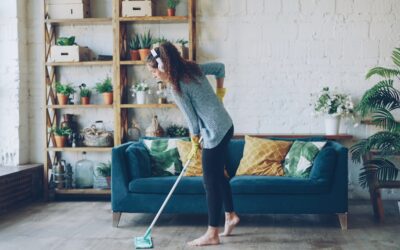
Finding the best mop for laminate floors is not just about cleaning power. It is about finding a tool that cleans effectively without leaving behind the excess water that can seep into seams and damage the fiberboard core underneath. Laminate is a beautiful and affordable flooring option, but it has a specific weakness: standing water. The wrong mop can shorten the life of your laminate flooring significantly.
This guide covers the mop types that work best on laminate, specific product recommendations, and the cleaning methods that keep laminate floors looking sharp without risking water damage.
Why Laminate Floors Need the Right Mop
Laminate flooring consists of a high-density fiberboard (HDF) core with a photographic decorative layer and a protective wear layer on top. The wear layer resists moisture on the surface, but the edges and seams between planks are vulnerable. If water sits on the floor or seeps between planks, the HDF core absorbs it and swells. This swelling is permanent and results in bubbled, warped, or separated planks that cannot be repaired.
The goal when mopping laminate is to use as little water as possible while still picking up dirt, dust, and grime. A damp mop is ideal. A wet mop is risky. A soaking mop is a recipe for floor damage.
Best Mop Types for Laminate Floors
1. Spray Mops (Best Overall)
Spray mops are the top choice for laminate floors. They have a built-in reservoir and trigger mechanism that lets you spray a controlled, fine mist of cleaning solution directly onto the floor ahead of the mop pad. You control exactly how much liquid goes down, which eliminates the risk of over-wetting.
The mop pad (typically microfiber) picks up the sprayed solution along with dirt and grime in a single pass. There is no bucket involved, no wringing, and no excess water pooling on the floor. For laminate, this controlled moisture delivery is exactly what you want.
Best for: Daily and weekly maintenance cleaning on laminate floors.
2. Microfiber Flat Mops
Flat mops with microfiber pads are excellent for laminate because the microfiber material picks up dust, dirt, and even pet hair without any liquid at all. For light cleaning, you can use them dry as an oversized Swiffer. For deeper cleaning, lightly dampen the pad (wring it thoroughly until it feels barely damp) and mop in the direction of the plank grain.
Microfiber pads are washable and reusable, which saves money over disposable pads. A good microfiber flat mop glides smoothly over laminate without scratching and covers a large surface area quickly.
Best for: Quick daily dust mopping and light cleaning.
3. Spin Mops (Use with Caution)
Spin mops use a bucket with a built-in spinning mechanism to wring out the mop head. The spinning action removes more water than hand-wringing, which makes them safer for laminate than traditional string mops. However, they still use more water than spray mops, and it is easy to get lazy with the wringing and end up with a too-wet mop head.
If you prefer a spin mop, run it through the spin cycle at least two to three times before mopping. The mop head should feel barely damp, not wet. Mop in small sections and dry each section with a separate microfiber cloth if you notice any standing moisture.
Best for: Deeper cleaning sessions when you need more scrubbing power than a flat mop provides.
4. Robot Mops
Robot mops designed for hard floors work well on laminate as a maintenance tool. Models with controlled drip systems or vibrating pads deliver moisture in precise amounts that are safe for laminate. They will not replace a thorough manual mopping for stuck-on grime, but for keeping laminate floors dust-free between deeper cleanings, they are convenient.
Look for robot mops with adjustable water flow settings and set them to the lowest or medium level for laminate floors. Avoid models that saturate the floor or lack water control.
Best for: Automated daily maintenance between manual mopping sessions.
Mops to Avoid on Laminate Floors
Steam Mops
Steam mops are the single worst choice for laminate floors, despite being marketed as safe for “all hard floors.” The combination of heat and moisture forces steam into the seams between planks, where it condenses and is absorbed by the HDF core. This causes swelling, warping, and delamination. Nearly every laminate flooring manufacturer explicitly warns against steam mops in their care instructions, and using one typically voids the warranty.
Traditional String Mops
String mops (cotton or synthetic) hold far too much water even when wrung out. They leave a visible film of moisture on the floor surface that takes minutes to dry, giving water plenty of time to seep into seams. They also tend to push dirty water around rather than picking it up.
Sponge Mops
Sponge mops have the same problem as string mops: they hold excessive water and are difficult to wring dry enough for laminate. The sponge surface can also drag and leave streaks on laminate’s smooth surface.
Best Cleaning Solutions for Laminate
What you put on the mop matters as much as the mop itself. Here are the dos and do-nots:
Use
- Laminate-specific cleaners: Products like Bona Hard-Surface Floor Cleaner and Black Diamond Wood & Laminate Cleaner are formulated to clean without leaving residue or damaging the wear layer.
- Diluted vinegar solution: One cup of white vinegar per gallon of water. This is a safe, effective, and inexpensive option for routine cleaning. Spray it lightly rather than applying from a bucket.
- Plain water: For light cleaning, a barely damp microfiber pad with plain water is all you need.
Avoid
- Soap-based cleaners: Dish soap, Murphy’s Oil Soap, and similar products leave a film on laminate that builds up over time, dulling the finish and attracting dirt.
- Wax or polish: Laminate has a factory-applied wear layer that should not be waxed or polished. These products create a slippery, streaky surface and can damage the finish.
- Abrasive cleaners: Anything with grit, including baking soda paste and powdered cleansers, can scratch the wear layer permanently.
- Bleach: Bleach can discolor laminate and damage the wear layer. If you need to disinfect, use a diluted solution and apply it sparingly with a spray mop.
How to Mop Laminate Floors Properly
Step 1: Dust First
Always sweep, vacuum (with the beater bar off), or dry dust-mop before wet mopping. Grit and debris on the floor will scratch the surface when dragged by a mop pad. A quick pass with a dry microfiber mop picks up loose particles effectively.
Step 2: Spray Sparingly
If using a spray mop, give the trigger two to three squeezes per section (roughly a 4×4 foot area). You want a light mist, not a puddle. If using a flat mop with a damp pad, the pad should not drip when held vertically.
Step 3: Mop with the Grain
Move the mop in the direction of the plank seams, not across them. This prevents dirty liquid from being pushed into the joints between planks and creates a cleaner finish with fewer visible streaks.
Step 4: Work in Sections
Mop one section at a time and dry it before moving on if you notice any standing moisture. On laminate, the floor should look dry within 30 seconds of mopping. If water is still visible after a minute, you are using too much liquid.
Step 5: Buff Dry if Needed
For a streak-free finish, follow up with a dry microfiber cloth or a separate dry mop pad. This picks up any remaining moisture and polishes the surface.
How Often to Mop Laminate Floors
- Daily: Dry dust mopping or robot vacuum to pick up loose dirt and pet hair.
- Weekly: Damp mopping with a spray mop or lightly dampened microfiber mop.
- Monthly: A more thorough cleaning with a laminate-specific cleaner, paying attention to high-traffic areas and any sticky spots.
Extra Tips for Keeping Laminate Clean
Use doormats at entrances. Grit tracked in on shoes is the number one cause of surface scratches on laminate. Trapping it at the door prevents most of the damage.
Put felt pads on furniture legs. Chairs, tables, and couches can scratch laminate when moved. Self-adhesive felt pads are cheap and effective.
Clean spills immediately. Do not let water, coffee, juice, or pet accidents sit on laminate. Blot them up with a dry cloth right away.
Use rugs in high-traffic zones. Hallways, kitchen areas, and entryways benefit from washable rugs that protect the laminate and catch dirt before it reaches the floor surface.
Final Thoughts
A spray mop with a microfiber pad is the best mop for laminate floors for the majority of homeowners. It gives you precise control over moisture, cleans effectively, and keeps your laminate safe from water damage. Stay away from steam mops regardless of what the packaging says, use a laminate-friendly cleaning solution, and always err on the side of less water rather than more. Your laminate floors will look better and last longer for it.
Prefer to explore on your own?
See how new flooring looks in your actual room in seconds — free, no signup.
Try the free Floor Studio →