The fastest way to ruin a $6,000 hardwood or luxury vinyl floor is to mop it with the wrong cleaner, and most all-purpose sprays are either too alkaline or too acidic for sealed surfaces. The best neutral pH floor cleaner sits right around 7 on the pH scale, meaning it lifts dirt without stripping finishes, etching stone, or leaving the dull residue that makes floors look perpetually dirty. If you’ve ever wondered why your floor never looks truly clean, the answer is almost always pH.
Why pH Matters for Your Floors
The pH scale runs from 0 (strongly acidic) to 14 (strongly alkaline), with 7 being neutral. Alkaline cleaners (think degreasers and many “no-rinse” formulas at pH 9 to 12) are aggressive; they can dull polyurethane finishes, cloud LVP wear layers, and break down floor wax over time. Acidic cleaners like vinegar (pH around 2.5) slowly etch natural stone and marble and can dry out wood.
A neutral cleaner cleans through surfactants, soap-like molecules that surround dirt, rather than through harsh chemistry. That means it’s safe on the widest range of surfaces and leaves no film that attracts dust the moment it dries.
What “Neutral pH” Actually Protects
A genuinely pH-neutral formula is the safe default for almost every modern floor:
- Sealed hardwood and engineered wood: Won’t degrade polyurethane or aluminum-oxide finishes.
- Luxury vinyl plank (LVP/LVT): Keeps the printed wear layer clear, not hazy.
- Natural stone (marble, travertine, limestone): Avoids the acid etching that ruins polish.
- Porcelain and ceramic tile: Cleans grout lines without eroding sealer.
- Laminate: No streaks and no swelling-causing residue.
Top Neutral pH Floor Cleaners
Several products consistently test near pH 7 and earn pro recommendations. Bona Hardwood Floor Cleaner (ready-to-use, GREENGUARD Gold certified) is the standby for wood and runs about $6 to $8 per 32-ounce bottle. For tile and stone, Bona Stone, Tile & Laminate cleaner uses the same neutral chemistry.
For a concentrate that stretches your dollar, Black Diamond Wood & Laminate Floor Cleaner and ProForce Neutral Floor Cleaner (a commercial favorite) dilute down to pennies per gallon. Method Squirt + Mop in almond is a plant-based option that’s genuinely neutral and widely available at around $4 a bottle.
Concentrate vs. Ready-to-Use
Ready-to-use sprays cost more per cleaning but eliminate guesswork, ideal if you clean one or two rooms occasionally. Concentrates win on value for larger homes: a $15 bottle of commercial neutral concentrate diluted at the typical 1 to 2 ounces per gallon can make 30-plus gallons of mop solution.
If you go the concentrate route, follow the label dilution exactly. Doubling the dose doesn’t clean better, it just leaves the residue you were trying to avoid in the first place. A pump bottle and a measured cap keep ratios honest.
How to Use It Correctly
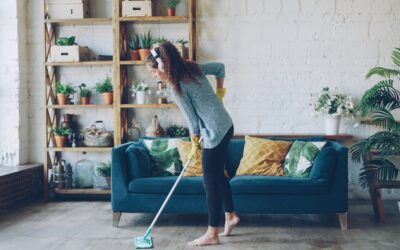
Even the best cleaner fails with bad technique. Sweep or vacuum first; grit dragged under a mop scratches finishes. Use a damp, well-wrung microfiber flat mop, never a sopping string mop that floods seams and can swell wood or laminate from below.
Work in 4-by-4-foot sections, mopping with the grain on wood, and let the floor air-dry. For sealed floors, you rarely need to rinse a neutral cleaner, that’s the whole point. Change your mop pad or water once it looks dirty so you’re not just spreading grime around.
Mistakes to Avoid
Skip the homemade vinegar-and-water “hack” on stone and wood; it’s acidic and does cumulative damage. Avoid oil soaps and “mop-and-shine” products on polyurethane wood, as they build a hazy film that’s miserable to remove and voids many finish warranties. Steam mops, despite the convenience, force moisture into seams and are not recommended for wood or laminate.
Finally, don’t over-apply. More product equals more residue, which equals a floor that looks dingy and shows every footprint within a day.
How to Tell if a Cleaner Is Truly Neutral
Marketing labels can be misleading, plenty of products say “safe for all floors” while sitting at pH 9 or higher. The surest way to know is to test it. Inexpensive pH test strips (around $10 for a pack of 100) give you a reading in seconds: dip a strip in the diluted solution and match the color to the chart. Anything reading 6 to 8 is effectively neutral and safe for sealed floors.
You can also read the label for clues. Phrases like “no-rinse,” “leaves no residue,” and “pH-balanced” are promising, while “heavy-duty degreaser,” “ammoniated,” or “for tough grease” usually signal an alkaline formula too harsh for daily floor care. When a manufacturer states the pH outright, that’s the most trustworthy product of all.
Neutral Cleaners for Specific Floor Problems
A neutral cleaner is your everyday workhorse, but pair it with the right technique for specific issues. For sticky residue left by previous harsh cleaners, do a deep clean with your neutral cleaner, then a clean-water rinse pass to strip the old film, this often fixes a “floor that never looks clean.” For pet households, a neutral enzymatic cleaner handles odor without the high pH that damages finishes.
On high-traffic entryways, increase cleaning frequency rather than switching to a stronger, higher-pH product, more frequent neutral cleaning beats occasional harsh cleaning every time. And for stubborn scuffs, a melamine sponge used dry and gently lifts marks without any chemical at all, protecting both your floor and its finish.
Climate plays a role too. In dry winter months, static and fine dust settle on floors faster, so a quick neutral damp-mop once or twice a week keeps grit from scratching the finish. In humid summers, watch for cleaner residue staying tacky longer, use slightly less product and ensure good airflow so floors dry quickly. A microfiber dust mop run daily in busy rooms removes the abrasive grit that does most long-term damage, letting your neutral wet-cleaning sessions focus on actual soil rather than fighting dirt that should never have built up.
Choosing the Right Cleaner for Your Home
If you have a mix of surfaces, a single neutral, all-surface formula like Bona or a quality commercial concentrate is the simplest choice and protects everything from marble to LVP. The best neutral pH floor cleaner for you balances convenience, surface compatibility, and cost per gallon, but any product that truly sits near pH 7 will keep your floors cleaner-looking and last years longer than the harsh sprays under your sink. When in doubt, neutral is always the safe answer.
Prefer to explore on your own?
See how new flooring looks in your actual room in seconds — free, no signup.
Try the free Floor Studio →