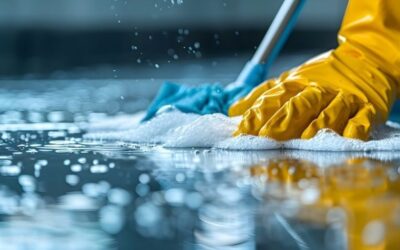
Engineered hardwood gives you the warmth of real wood with better resistance to moisture, but the wrong cleaner can strip its finish or swell the seams fast. Choosing the best product to clean engineered hardwood floors comes down to one rule: use a pH-neutral, no-rinse formula made specifically for sealed wood, and keep water to an absolute minimum. Get that right and your floors stay bright, streak-free, and protected for decades.
- What to Look For in a Cleaner
- Top Store-Bought Products Compared
- Bona Hardwood Floor Cleaner
- Method Squirt + Mop Wood Floor Cleaner
- Rejuvenate No Bucket Needed Floor Cleaner
- Murphy Oil Soap – Use With Caution
- Bona vs. Everything Else
- The Best DIY Cleaner That Actually Works
- How to Clean Engineered Hardwood the Right Way
- Building a Simple Maintenance Schedule
The reason product choice matters so much is the construction itself. Engineered planks have a thin hardwood veneer, often just 2 to 4 millimeters thick, bonded over a plywood or high-density core. You can’t sand and refinish them many times, so the factory finish has to last. A harsh or overly wet cleaner attacks that finish and can’t be undone easily.
What to Look For in a Cleaner
Before comparing brands, understand the traits that separate a safe product from a floor-ruiner. Every good engineered hardwood cleaner shares these qualities:
- pH-neutral formula – somewhere between 7 and 8. Acidic or alkaline cleaners etch polyurethane over time.
- No-rinse, fast-drying – it should evaporate in a minute or two, leaving no film.
- Residue-free – soap-based products leave a dulling buildup that traps dirt.
- Wood-specific labeling – avoid all-purpose sprays, which often contain ammonia or alkaline degreasers.
Anything that promises “shine” through wax or silicone should be treated with caution. Those additives build up and make future recoating nearly impossible.
Top Store-Bought Products Compared
After testing dozens of cleaners on job sites and in my own home, these are the ones I trust on engineered wood.
Bona Hardwood Floor Cleaner
Bona is the professional standard for good reason. It’s water-based, pH-neutral, GreenGuard Gold certified for low emissions, and dries streak-free in about a minute. A 32-ounce spray runs $8 to $10, or you can buy the gallon refill for around $22 and cut your cost per use dramatically. Pair it with their microfiber spray mop for the fastest, safest routine available.
Method Squirt + Mop Wood Floor Cleaner
A budget-friendly, plant-based option at roughly $4 to $6 per bottle. It’s biodegradable and smells pleasant. It works well for light maintenance, though heavy grease may need a second pass. A solid pick if you want something natural without mixing your own.
Rejuvenate No Bucket Needed Floor Cleaner
This one cleans and leaves a light polymer shine, priced around $10 for 32 ounces. It’s fine for engineered floors as long as you accept the slight sheen it adds. Skip it if you ever plan to recoat, since the polish layer interferes with adhesion.
Murphy Oil Soap – Use With Caution
Popular but polarizing. On sealed engineered floors the oil can leave a hazy residue that builds over time. If you use it, dilute heavily and buff dry. Many pros, myself included, steer clients away from it in favor of a true no-residue cleaner.
Bona vs. Everything Else
If you only want one recommendation, Bona is the safe bet. It hits every requirement that matters: neutral pH, no rinsing, fast drying, and no wax or oil to gum up the finish. Method wins on price and eco-credentials, Rejuvenate wins if you want a touch of shine, and Murphy is the one to approach carefully. But for pure reliability across every engineered floor I’ve maintained, Bona earns its reputation year after year.
The Best DIY Cleaner That Actually Works
If you’d rather mix your own, a homemade spray can rival store products at a fraction of the cost. This recipe stays gentle and dries fast:
- Combine one gallon of warm water with one-quarter cup of distilled white vinegar.
- Add one teaspoon of a mild dish soap that’s free of dyes and moisturizers.
- Optional: a few drops of essential oil for scent.
- Pour into a spray bottle, mist lightly, and mop immediately with microfiber.
Keep the vinegar ratio low. Too much acid, used daily, can slowly dull the finish. This blend is best for weekly cleaning rather than every single day. For most homeowners, though, a dedicated commercial cleaner like Bona is worth the small premium for guaranteed pH safety.
How to Clean Engineered Hardwood the Right Way
The best product in the world fails if your technique is wrong. Follow this routine to protect that thin veneer:
- Dry clean first. Dust-mop or vacuum with a soft-brush, hard-floor setting daily in busy areas. Grit is what scratches wood, not foot traffic.
- Spray the mop, not the floor. Mist the pad or a small three-foot section, never soak the boards. Standing water swells the core and lifts the veneer.
- Mop with the grain. Work in long, overlapping strokes so streaks don’t set.
- Dry as you go. A quality microfiber flat mop leaves the surface nearly dry, which is exactly what you want.
Clean spills the moment they happen. Even sealed engineered wood can’t tolerate a puddle sitting overnight in a seam.
What Never to Use
Certain products and tools cause damage that a warranty won’t cover:
- Steam mops – heat and moisture forced into seams delaminate the veneer. Never use them on engineered wood.
- Vinegar or bleach at full strength – both etch and discolor the finish.
- Abrasive pads or scrub brushes – they scratch the wear layer.
- Wax and oil soaps on polyurethane floors – they create a cloudy, hard-to-remove buildup.
- Ammonia-based glass cleaners – too alkaline for wood finishes.
Building a Simple Maintenance Schedule
Consistency beats intensity. A light, frequent routine keeps you from ever needing an aggressive deep clean:
- Daily: dust-mop entryways and kitchen paths.
- Weekly: damp-mop the whole floor with your pH-neutral cleaner.
- Monthly: move rugs and clean underneath, check felt pads on furniture.
- Seasonally: inspect high-wear areas and keep indoor humidity between 35 and 55 percent to prevent gapping.
Add walk-off mats at every door and you’ll trap most of the grit before it reaches the wood, dramatically cutting how hard you have to clean. A doormat outside and a washable rug just inside each entrance catches the sand and salt that do the most damage to a finish. In winter, wipe up melted snow and road salt quickly, since salt is both abrasive and mildly corrosive to polyurethane.
Tackling Stubborn Spots and Stains
Even with a good routine, life happens. Handle problem spots without reaching for anything harsh:
- Sticky residue or dried food: dampen with your neutral cleaner, let it sit 30 seconds to soften, then wipe. Never scrape with metal.
- Scuff marks from shoes: rub gently with a clean tennis ball or a melamine sponge used lightly, then wipe the area clean.
- Water spots or cloudiness: usually surface residue, not damage. A vinegar-water rinse followed by a dry buff clears most of it.
- Pet accidents: blot immediately and clean with an enzymatic pet cleaner rated safe for sealed wood, then dry the spot fully.
The through-line with every fix is the same: minimal moisture, neutral products, and a dry finish. Resist the urge to soak a stubborn spot, because the water does more harm than the stain ever could.
Frequently Asked Questions
Can I use Bona on any engineered hardwood floor?
Yes, as long as the floor has a surface finish like polyurethane, which nearly all modern engineered floors do. Bona’s pH-neutral, water-based formula is safe on sealed wood. For rare oiled or waxed floors, use a cleaner made specifically for oil finishes instead.
Is vinegar safe for engineered hardwood?
In small, diluted amounts it’s fine for occasional cleaning, roughly one-quarter cup per gallon of water. Full-strength vinegar is too acidic and will slowly dull the finish. For daily use, a dedicated pH-neutral cleaner is the safer long-term choice.
Why does my floor look streaky after mopping?
Streaks come from too much product, too much water, or a soap-based cleaner leaving residue. Switch to a no-rinse formula, mist lightly, and buff dry with a clean microfiber pad. A vinegar-water rinse can also strip old buildup causing the haze.
How often should I deep clean engineered wood?
A weekly damp mop with the right product is usually enough. Reserve a thorough, section-by-section deep clean for two to four times a year, or when buildup makes the floor look dull despite regular cleaning.
The best product to clean engineered hardwood floors is whichever pH-neutral, no-rinse cleaner you’ll use consistently, with Bona leading the pack for reliability. Pair it with a microfiber mop, minimal water, and a steady schedule, and your engineered floors will keep their showroom look for years.
Prefer to explore on your own?
See how new flooring looks in your actual room in seconds — free, no signup.
Try the free Floor Studio →