
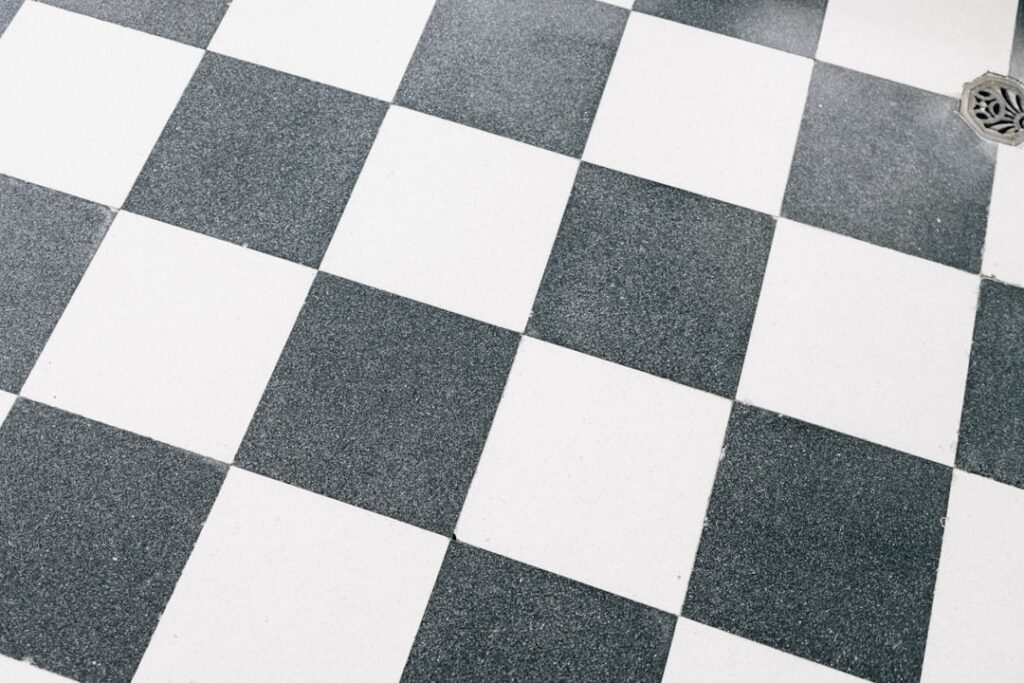
Tile looks bulletproof until you catch it in raking morning light and see the film. Choosing the best product to deep clean tile floors comes down to matching a cleaner’s chemistry to your specific tile and the grime you are fighting. A ceramic kitchen floor coated in grease needs a very different formula than a porous natural-stone entryway tracking road salt. Get the pairing right and you strip years of buildup in one afternoon. Get it wrong and you can dull a $12-per-square-foot slate floor permanently.
- Why Regular Mopping Leaves Tile Dull
- Alkaline Cleaners for Grease and Everyday Grime
- pH-Neutral Formulas for Natural Stone
- Steam Mops: Chemical-Free Deep Cleaning
- Tackling Grout: The Real Battleground
- Common Deep-Cleaning Mistakes to Avoid
- Matching the Product to Your Tile Type
- Costs, Value, and My Final Pick
Why Regular Mopping Leaves Tile Dull
Most homeowners mop with a splash of dish soap or an all-purpose spray, and both leave a residue that actually attracts dirt. Soap is designed to cling, so every pass lays down a microscopic layer that hardens into a haze. Over six months to a year, that haze traps foot traffic grime and gives the floor a permanently cloudy cast no matter how often you clean.
The second problem is water itself. Mopping with a saturated cotton mop pushes dirty water into the grout lines, where it dries and darkens the joints. You end up with clean tile faces and filthy grout, which is the single most common complaint I hear from clients who think their floor is beyond saving. A true deep clean has to address the grout channels, not just the glazed surface, and that is where product selection matters most.
Temperature plays a role too. Warm water around 120°F dissolves grease and loosens mineral deposits far faster than cold, so any product you choose works better mixed with hot tap water rather than cold from a bucket that has been sitting.
Alkaline Cleaners for Grease and Everyday Grime
For glazed ceramic and porcelain, an alkaline cleaner with a pH between 9 and 11 is your workhorse. These formulas break down the fats and oils that build up in kitchens and mudrooms. Zep Neutral pH Floor Cleaner, oil-based degreasers, and dedicated tile-and-grout sprays all fall in this camp, and a gallon concentrate runs $10 to $18 while making 15 to 20 gallons of working solution.
The standout category here is oxygen-bleach powders such as OxiClean or a generic sodium percarbonate. Dissolved in hot water at roughly a quarter cup per gallon, oxygen bleach foams into grout lines and lifts organic staining without the harsh fumes or fabric-bleaching risk of chlorine. Let it dwell for 10 to 15 minutes before scrubbing and you will see grimy gray grout return to its original color. I rank this as the best all-around value for the money on ceramic and porcelain floors.
pH-Neutral Formulas for Natural Stone
Natural stone changes the equation entirely. Marble, travertine, limestone, and slate are calcium-based and react with anything acidic, etching a dull spot into the surface within seconds. That rules out vinegar, lemon, and most bathroom cleaners. It also rules out strong alkaline strippers, which can pull the sealer off and leave the stone vulnerable to staining.
For these floors, buy a cleaner explicitly labeled pH-neutral and stone-safe, such as StoneTech Revitalizer or Black Diamond Stone Cleaner. Expect to pay $15 to $25 for a spray bottle or concentrate. These clean gently while reinforcing the sealer, and they are the only category I recommend for a polished marble foyer. If your stone floor has lost its shine, the fix is usually resealing every one to two years, not a stronger cleaner.
Steam Mops: Chemical-Free Deep Cleaning
A steam mop deserves a spot on this list because it deep cleans with nothing but water heated past 200°F, blasting away bacteria and loosening grime through pressure and heat. Units from Bissell, Shark, and Dupray run $60 to $200, and the better models push steam directly into grout lines through a detail attachment. For a household with pets or small kids, the sanitizing angle is a real selling point.
One firm warning: never use a steam mop on natural stone or on any tile where the grout is cracked or unsealed. The heat and moisture drive straight through gaps and can loosen tiles or degrade the setting mortar underneath. Steam is fantastic on sealed porcelain and ceramic but a liability everywhere else, so confirm your floor type before you plug one in.
Tackling Grout: The Real Battleground
Grout is porous cement, and no floor cleaner alone will fully restore heavily soiled joints. For deep cleaning grout, a paste of baking soda and hydrogen peroxide worked in with a stiff nylon brush is the cheapest effective method, costing pennies per batch. Scrub along the line, let it sit 10 minutes, then rinse. For stubborn dark lines, a dedicated grout cleaner like Grout-Eez or Zep Grout Cleaner and Whitener does the heavy lifting.
Here is a quick priority order for grout so you attack it efficiently:
- Vacuum or sweep first so you scrub grime out, not deeper in.
- Apply oxygen bleach or grout cleaner and let it dwell 10 to 15 minutes.
- Scrub with a stiff nylon brush, never metal, which scratches tile.
- Rinse thoroughly and reseal the grout once it dries.
Sealing grout after a deep clean is the step almost everyone skips. A penetrating grout sealer costs about $15 a bottle and keeps your hard work looking fresh for a year or more by blocking new stains from soaking in.
For grout that stays stubbornly gray no matter how hard you scrub, the underlying problem is usually that the sealer wore off long ago and grime has soaked deep into the cement. In that case, a grout colorant or grout paint gives you a fresh start, essentially resealing and recoloring the joint in one product for around $25. It is more work than cleaning, but it renews a tired floor without the expense of regrouting.
Common Deep-Cleaning Mistakes to Avoid
The fastest way to ruin a deep clean is using too much product and too little rinsing. Any cleaner you leave behind dries into a residue that grabs dirt within days, undoing your effort. Always follow a scrub with a clean-water rinse pass, changing the rinse water the moment it turns cloudy so you are not just smearing dissolved grime back across the tile.
Reaching for the wrong tool is the other frequent error. A string mop drags dirty water into grout lines, and a colored sponge can bleed dye onto light grout. Use a microfiber flat mop or a well-wrung microfiber cloth for the final rinse, and reserve stiff nylon brushes strictly for the grout channels. Match your chemistry to your tile, rinse thoroughly, and reseal when you finish, and even a neglected floor comes back to life in a single session.
Matching the Product to Your Tile Type
The single decision that determines the best product to deep clean tile floors in your home is honest identification of your tile. Glazed porcelain and ceramic tolerate almost anything, so lead with oxygen bleach or an alkaline degreaser and a steam mop. Unglazed quarry tile and terracotta are porous and want a mild neutral cleaner plus resealing. Natural stone demands stone-safe neutral products exclusively.
When in doubt, test any new product on a hidden section near a closet or under an appliance. Apply it, wait five minutes, and check for etching, color change, or dulling before you commit to the whole room. This two-minute test has saved more expensive floors than any product recommendation I can give.
Costs, Value, and My Final Pick
Budgeting for a deep clean is refreshingly cheap compared to most home projects. A tub of oxygen bleach runs $10 to $15 and handles several rooms. A stone-safe neutral cleaner is $15 to $25. A steam mop is a one-time $60 to $200 investment that pays off over years. Even the professional route, at $0.50 to $2 per square foot, is modest for a whole-house refresh.
If I had to name one product for the widest range of homes, it is oxygen bleach powder for its combination of low cost, grout-lifting power, and safety on sealed ceramic and porcelain. Pair it with a stiff nylon brush and hot water and you have the most effective, affordable deep-clean system available. Reserve stone-safe neutral cleaners for natural stone, keep a steam mop for routine sanitizing, and reseal your grout when the work is done. That combination keeps tile looking new for years with minimal ongoing cost.
Prefer to explore on your own?
See how new flooring looks in your actual room in seconds — free, no signup.
Try the free Floor Studio →

