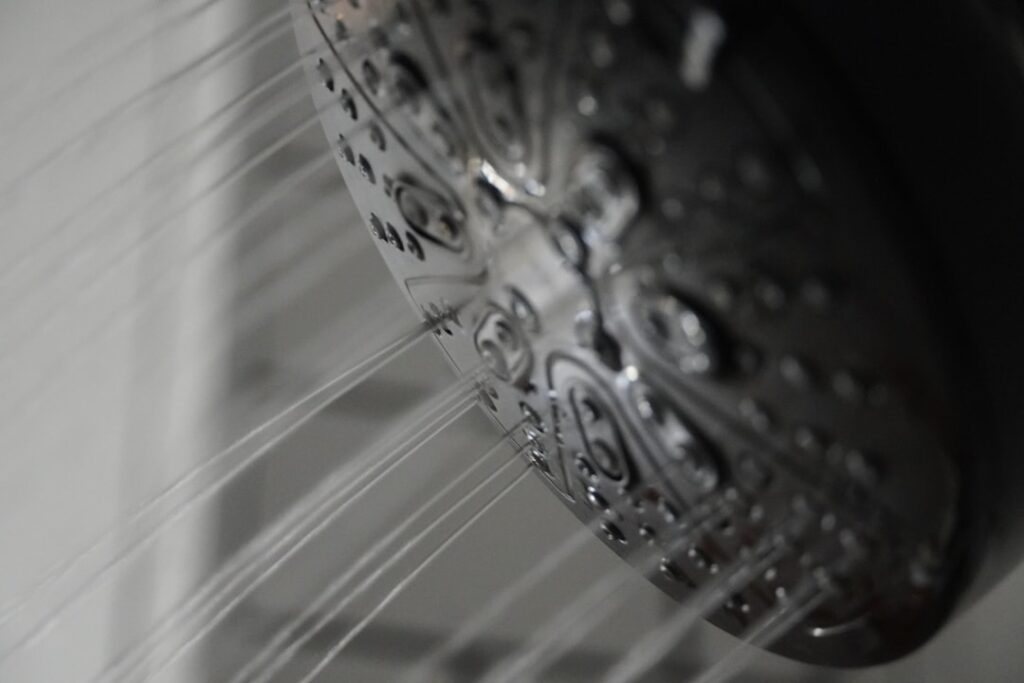
Few upgrades improve your daily routine as cheaply as a new shower head. Sorting through the best shower heads 2024 options means understanding the types, spray performance, and features that actually matter rather than getting lost in marketing. This guide focuses on the categories and qualities to look for so you can choose the right one for your bathroom, your water pressure, and your budget.
- Know the Main Types First
- Spray Patterns and Settings
- Understand Flow Rate
- Finishes That Match Your Bathroom
- Features Worth Paying For
- What to Skip
- Installation Is Usually a 10-Minute Job
- Solving Low Water Pressure
- Cleaning and Maintenance
- Eco-Friendly and Water-Saving Options
- How to Choose the Right One
Know the Main Types First
Shower heads fall into a few core categories, and the right type depends on how you shower and what your plumbing allows.
- Fixed wall-mount: The standard, attached to the existing shower arm. Simple, affordable, and reliable.
- Handheld: Mounted on a flexible hose so you can direct the water, ideal for rinsing, cleaning, bathing kids, and washing pets.
- Rainfall: Large, overhead heads that deliver a soft, drenching flow for a spa feel. Often mounted on a ceiling or extended arm.
- Dual or combo: Pairs a fixed head with a handheld unit so you get the best of both.
- High-pressure: Designed to boost a satisfying spray in homes with low water pressure.
Spray Patterns and Settings
The number and quality of spray settings often matters more than the count alone. Common modes include a full drenching rain, a focused massage or pulsating jet for sore muscles, a gentle mist, and a water-saving rinse. The best units make switching settings easy with a smooth dial or lever. Be skeptical of heads advertising a dozen modes, since many overlap. Two or three well-engineered patterns usually beat ten mediocre ones.
Understand Flow Rate
Flow rate, measured in gallons per minute (GPM), affects both your experience and your water bill. By federal standard, US shower heads are capped at 2.5 GPM, and many efficient models run at 1.8 or 2.0 GPM. A well-designed low-flow head uses air or pressure-compensating technology to feel strong while using less water. If you have low household pressure, look for a model engineered to maximize the pressure you have rather than one that simply restricts flow.
Finishes That Match Your Bathroom
Beyond performance, the finish ties the shower head into your bathroom design. Popular choices in current bathrooms include:
- Chrome: Bright, classic, easy to clean, and the most budget-friendly.
- Brushed nickel: Warm, subtle, and great at hiding water spots and fingerprints.
- Matte black: Bold and modern, a favorite in contemporary bathrooms.
- Brushed gold or brass: Warm and upscale, increasingly popular as an accent.
For low maintenance, brushed finishes hide spotting better than polished ones.
Features Worth Paying For
Certain features genuinely improve the experience, while others are gimmicks. Look for nozzles made of rubber or silicone, which let you rub off mineral buildup with a finger and keep the spray strong over time. A solid, leak-free swivel joint, a quality hose on handheld models, and easy tool-free installation all add value. Filtered shower heads are worth considering if you have chlorinated or hard water, though they require periodic cartridge changes.
What to Skip
Not every selling point earns its keep. Be cautious with cheap LED color-changing heads, which can leak and fade, and with feature lists padded by near-identical spray modes. Very inexpensive all-plastic heads often clog and crack within a year. As a rule, a mid-priced head from a reputable brand with rub-clean nozzles outlasts and outperforms a bargain unit packed with novelty features.
Installation Is Usually a 10-Minute Job
Most shower heads install without a plumber. Unscrew the old head by hand or with a wrench, clean the threads, wrap them with plumber’s tape to prevent leaks, and hand-tighten the new head. Run the water and check for drips, snugging it slightly if needed. Handheld and rainfall units may need a mounting bracket or an extended arm, but the basic process is the same.
Solving Low Water Pressure
If your shower feels weak, the shower head may not be entirely to blame, but the right one can help. First rule out a clogged head by soaking it in white vinegar to dissolve mineral buildup in the nozzles, a free fix that often restores a strong spray. If the pressure is genuinely low at the source, look for a head specifically designed for low-flow situations, which uses smaller, concentrated nozzles or air injection to maintain a satisfying feel. Avoid heads with many wide-open holes in low-pressure homes, since they spread limited water too thin. A handheld unit with a focused setting can also deliver a more forceful rinse where you need it.
Cleaning and Maintenance
A little upkeep keeps any shower head performing like new. Hard water leaves mineral deposits that clog nozzles and weaken the spray over time, so plan to clean the head periodically. The easiest method is to fill a plastic bag with white vinegar, secure it around the head with a rubber band so the nozzles soak, and leave it for a few hours before scrubbing gently and rinsing. Heads with rubber or silicone nozzles let you simply rub off buildup with a finger. Check the connection and washers occasionally for leaks, and replace a worn rubber washer rather than overtightening the head.
Eco-Friendly and Water-Saving Options
If lowering your water and energy use matters to you, look for a WaterSense-labeled shower head, which meets efficiency standards while still delivering a strong shower. These models typically use 2.0 GPM or less, cutting both water consumption and the energy needed to heat it, which trims your utility bills over time. Modern water-saving heads have come a long way from the weak trickle of older low-flow designs, using pressure-compensating technology and air injection to feel full and satisfying. Choosing an efficient head is one of the simplest ways to reduce household water use without sacrificing comfort.
How to Choose the Right One
Match the head to your priorities. For pure relaxation, a rainfall or a dual head with a massage setting is hard to beat. For versatility, a handheld or combo unit wins. If you struggle with weak water pressure, prioritize a pressure-boosting model. And if you have hard or chlorinated water, factor in a filtered option. Set a realistic budget, since a quality, long-lasting shower head typically runs $30 to $120, with premium and filtered models reaching higher.
The best shower heads 2024 buyers should consider are the ones matched to their water and routine, not just the flashiest box on the shelf. Focus on the right type, a couple of well-built spray settings, a sensible flow rate, and rub-clean nozzles. Get those basics right and a modest investment will improve every shower for years to come.