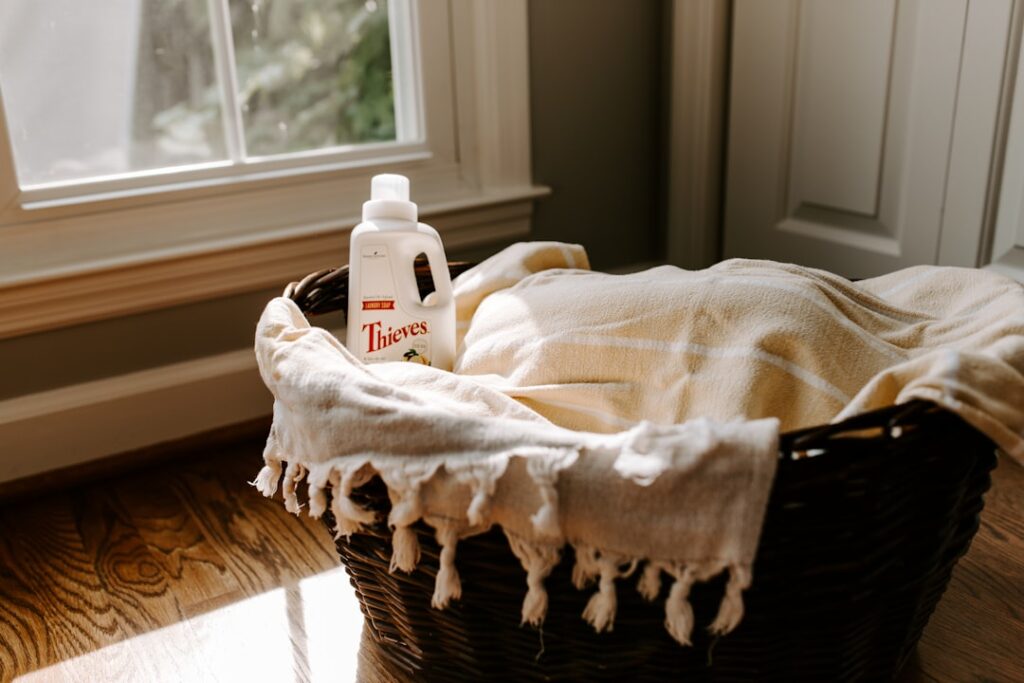
Grease is one of the few stains that laughs at ordinary laundry detergent. Cooking oil, salad dressing, motor grease, and even the natural oils in makeup all cling to fabric fibers in a way water simply cannot rinse out. Choosing the best stain remover for oil on clothes means picking a product built to break down grease chemically, then applying it the right way before the mark ever hits the dryer. Get both of those right and even a set-in oil spot usually surrenders.
- Why Oil Stains Are So Stubborn
- Top Picks for Removing Oil From Clothes
- Dawn Dish Soap: The Everyday Champion
- Lestoil and Heavy-Duty Degreasers
- How to Treat an Oil Stain Step by Step
- Home Remedies When You Are Out of Product
- Choosing the Right Remover for Your Situation
- Matching the Remover to the Fabric
- Common Mistakes That Set Oil Stains Permanently
Why Oil Stains Are So Stubborn
Oil and water do not mix, and that basic fact explains the whole problem. When a drop of grease lands on cotton or polyester, it soaks between the fibers and coats them in a film that repels the very water your washer relies on. Regular detergent is designed mostly for water-soluble soils, so it slides right past an oil stain without grabbing hold of it.
What you actually need is a surfactant or degreaser, a molecule with one end that bonds to grease and another that bonds to water. That is the science behind every product on this list. The other enemy is heat. Run an oil-stained shirt through a hot dryer and the heat oxidizes the oil, effectively baking it into the fabric and turning a fresh, treatable spot into a permanent shadow. Always confirm a stain is gone before drying.
Top Picks for Removing Oil From Clothes
A handful of products consistently outperform the rest, and most of them cost only a few dollars. Match the remover to the stain and the fabric rather than assuming one bottle handles everything.
- Dawn Ultra dish soap — the go-to for fresh food-grease and cooking-oil spots; its grease-cutting surfactants are gentle enough for most washable fabrics.
- Lestoil — a heavy-duty pine-oil cleaner that excels on set-in and industrial grease like motor oil and chain lube.
- OxiClean Max Force — a spray with multiple stain-fighting surfactants and enzymes, strong on older oil marks.
- Zout and Shout Advanced — reliable enzyme-based pretreaters for everyday laundry grease.
- WD-40 — surprisingly effective at reactivating a dried oil stain so a degreaser can then lift it.
Dawn Dish Soap: The Everyday Champion
If you keep only one oil-fighter in the house, make it a bottle of blue Dawn Ultra. The same formula that cuts grease off skillets works beautifully on fabric because dish soap is engineered specifically to emulsify oil. For a fresh stain, put a few drops directly on the spot, work it in gently with your fingertip or an old toothbrush, and let it sit for 5 to 10 minutes before laundering as usual.
Dawn is also the safest first choice on delicate or brightly colored garments because it rinses cleanly and rarely affects dye. At well under three dollars for a bottle that treats dozens of stains, it is easily the best value of anything here. The one thing it cannot always beat is heavily oxidized, days-old grease, which is where the stronger products earn their place.
Lestoil and Heavy-Duty Degreasers
For grease that laughs at dish soap, step up to Lestoil. This concentrated pine-oil cleaner has been a mechanic’s secret for generations because it dissolves petroleum-based grease that food-oriented products cannot touch. Apply a small amount straight to the stain, let it penetrate for about 20 to 30 minutes, then wash in the hottest water the fabric allows. Because it is potent, always spot-test on colored items first and work in a ventilated space.
Lestoil and similar solvent degreasers are the right call for garage rags, work uniforms, bike-chain smears, and any oil that has already dried. They are overkill for a splash of vinaigrette, so reserve them for the jobs where a gentler cleaner has already failed. A single bottle lasts a long time because you use so little per stain.
How to Treat an Oil Stain Step by Step
Technique matters as much as the product. Start by blotting, never rubbing, any excess oil with a paper towel to keep it from spreading. If the stain is fresh, sprinkle a little cornstarch or baby powder over it and wait 10 to 15 minutes; the powder pulls oil out of the fibers before you even apply a cleaner. Brush the powder away, then apply your chosen remover directly to the spot.
Work the product in from the back of the fabric so you push the oil out rather than deeper in, and give it time to break down the grease, anywhere from 5 minutes for Dawn to 30 for Lestoil. Wash the garment in the warmest water its care label permits, since heat helps dissolve oil during the wash even though it sets any residue during drying. Finally, air-dry the item and inspect it in good light. If a ghost of the stain remains, repeat the treatment before it ever sees the dryer.
Home Remedies When You Are Out of Product
No specialized cleaner on hand? A few pantry items bridge the gap. Baking soda works like the cornstarch trick, absorbing fresh oil when sprinkled on and left for 15 minutes. Regular white chalk rubbed into a small grease spot on a collar or tie will soak up the oil in a pinch. And a paste of baking soda with a drop of dish soap makes a decent emergency pretreater for a fresh mark.
For set-in stains, the WD-40 trick genuinely works: spray a little onto a dried oil spot to re-dissolve the grease, then immediately apply Dawn to lift both the WD-40 and the original oil, and launder. It sounds counterintuitive to fight oil with oil, but reactivating the stain is often the only way to make an old mark treatable again. Just be sure to fully wash out the WD-40 afterward.
Choosing the Right Remover for Your Situation
The best product depends on three things: how fresh the stain is, how heavy the grease is, and how delicate the fabric is. For fresh kitchen grease on everyday clothes, Dawn wins on cost and safety. For dried or petroleum-based grease on sturdy work clothes, Lestoil or a dedicated degreaser is worth the extra strength. For a broad mix of household oil stains where you want one grab-and-spray bottle, OxiClean Max Force or Shout Advanced covers the most ground.
Whatever you buy, keep it stocked before you need it, because speed is your biggest advantage against oil. Treat the stain the same day, resist the dryer until you have confirmed it is gone, and you will rescue far more garments than you lose. With the right remover and a little patience, oil stops being the wardrobe death sentence it feels like and becomes just another spot you know how to beat.
Matching the Remover to the Fabric
Fabric type should steer your product choice as much as the stain itself. Sturdy cottons and cotton blends tolerate almost anything, including Lestoil and hot water, so they give you the most room to work. Synthetics like polyester and nylon hold oil tightly and dislike high heat, so lean on Dawn or an enzyme spray with warm rather than hot water. Delicate materials such as silk, wool, and rayon call for the gentlest approach possible, and a stubborn oil stain on any of them is often a job better handed to a dry cleaner than risked at home.
Always read the care label before you commit to a treatment, and always spot-test a strong degreaser on a hidden seam or inside hem first. A quick test costs you two minutes and can save a favorite garment from a bleach-out or a dye shift. When in doubt, start with the mildest effective option and escalate only if the stain resists, rather than reaching for the harshest cleaner right away.
Common Mistakes That Set Oil Stains Permanently
A few habits turn a treatable stain into a permanent one, so they are worth naming plainly. Rubbing a fresh spot instead of blotting drives the oil deeper and spreads it wider. Tossing a treated garment straight into a hot dryer before checking the result bakes any leftover grease into the fibers for good. And ignoring a small spot for a week lets the oil oxidize and darken, which is why a same-day treatment succeeds where a delayed one fails.
Another quiet mistake is trusting that a normal wash cycle alone will handle grease. Oil almost always needs a targeted pretreatment before the load runs, because detergent diluted across a full drum of water simply cannot concentrate on the stain the way a dab of Dawn worked directly into the fibers can. Skip the pretreat step and you will pull the shirt out of the wash still marked, then unknowingly set it in the dryer. Build the pretreat-then-inspect habit and oil stains stop winning.