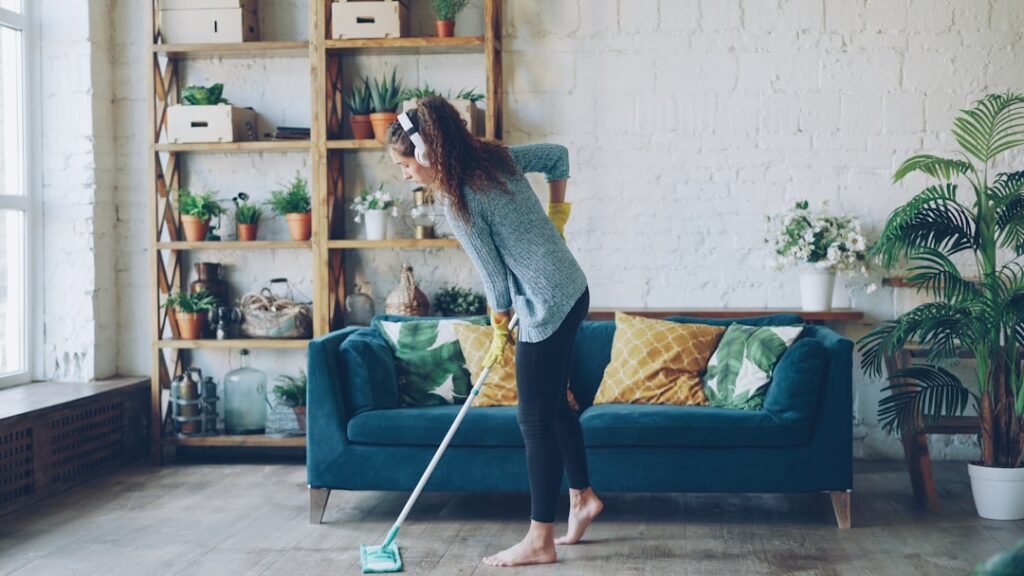
A good steamer turns ordinary tap water into 250°F vapor that sanitizes surfaces, dissolves baked-on grease, and lifts grout grime that scrubbing alone cannot touch. The best steamer for cleaning earns its place in the cleaning closet by replacing half a dozen chemical sprays, working safely around kids and pets, and reaching crevices a microfiber cloth never could. The catch is that this category includes excellent tools, mediocre ones, and outright duds at every price point. Picking the right one comes down to matching the steamer to where you will actually use it.
How Steam Cleaning Actually Works
A steamer pressurizes water to between 40 and 80 psi and heats it past 212°F. The resulting dry vapor (only 5 to 6 percent moisture in commercial-grade machines) penetrates porous surfaces, kills 99.9 percent of bacteria and viruses on contact, and softens grime so it wipes away with a microfiber cloth.
The physics matters because cheap steamers produce wet steam that simply pushes dirt around. Commercial-grade machines with stainless steel boilers and 4-bar pressure produce true dry steam that sanitizes effectively. The difference shows up immediately on shower glass, grout, and stove tops.
Three Categories of Steam Cleaners
Steamers fall into three categories at vastly different price points:
- Handheld steamers ($30 to $80): Small water tank, 5 to 15 minutes runtime. Best for spot cleaning bathrooms, kitchens, and small jobs.
- Steam mops ($60 to $200): Designed for floors. Convenient for sealed hardwood, tile, and laminate.
- Canister steamers ($150 to $700): Larger boilers, longer runtime, multiple attachments. Best for whole-home and deep cleaning.
If you can afford only one, a quality canister steamer covers the widest range of jobs. Handheld and steam mop styles are convenience purchases that complement, not replace, a real canister unit.
Top Handheld Steamers
For spot cleaning, three handhelds rise above the noise:
- BISSELL Steam Shot 39N7A: 7-minute runtime, 7 attachments, $40. Reliable workhorse.
- PurSteam ThermaPro 10-in-1: 10-minute runtime, more attachments, $60. Good value.
- Karcher SC 1 EasyFix: German-built quality, 6-minute runtime, $130. Premium feel and durability.
Handhelds shine for bathrooms (toilet bases, faucet bases, glass shower doors), kitchens (range hood vents, stove top rings, refrigerator gaskets), and quick spot fixes. They struggle with whole rooms because the small water tank requires constant refilling.
Top Canister Steamers
For serious cleaning, canister steamers with high pressure and long runtime are unmatched:
- Dupray Neat Steam Cleaner: 50-minute runtime, 50 psi pressure, 18-piece accessory kit. About $200.
- McCulloch MC1275 Heavy-Duty: 45 minutes, 58 psi, 18 attachments. About $170.
- Vapamore MR-100 Primo: Lifetime warranty, 60 minutes, 50 psi. About $300.
- Karcher SC 5 Easy Fix: Continuous water fill, 4-bar pressure, premium build. About $700.
For most homeowners, the Dupray Neat or McCulloch MC1275 hits the sweet spot of price, performance, and durability. The Karcher SC 5 makes sense for large homes or those who clean professionally.
Top Steam Mops
Steam mops are the easiest steamers to use but the most limited in scope. Best models:
- Bissell PowerFresh 1940: $90, easy operation, washable pads
- Shark Genius Pro S6002: $200, swivel head, double-sided pads
- O-Cedar Microfiber Steam Mop: $80, lightweight, simple maintenance
Use steam mops only on sealed floors. Hardwood with worn finish, unsealed stone, or laminate without click-lock waterproof construction can be damaged by steam exposure. When in doubt, test on an inconspicuous area first.
Where Steam Cleaning Excels
Steam cleaning works exceptionally well on:
- Tile and grout (especially in bathrooms and kitchens)
- Sealed hardwood and laminate floors
- Sealed stone counters and backsplashes
- Stove tops and range hoods (dissolves baked grease)
- Oven interiors (when combined with a baking soda paste)
- Refrigerator gaskets and door seals
- Mattresses and upholstery (kills dust mites)
- Mirrors and shower glass (zero residue)
- Toilet bases and bathroom fixtures
For grout cleaning specifically, steam plus a stiff nylon brush attachment removes years of soap scum and mildew in a single pass. It is the single most impressive use case for new steamer owners.
Where Steam Should Not Be Used
Steam can damage some surfaces:
- Unsealed wood (causes warping and finish lift)
- Painted surfaces (can soften paint, especially older oil-based)
- Cardboard and paper
- Velvet and silk upholstery (water-sensitive fabrics)
- Cold glass in winter (rapid temperature change can crack)
- Anything with adhesives (heat releases glue bonds)
- Electronics and circuit boards
Always check manufacturer guidelines for delicate surfaces. When in doubt, skip the steamer and use a microfiber cloth with a mild cleaner instead.
Water Quality Matters
Tap water in many US regions contains enough minerals to scale a steamer’s boiler within months. Hard water symptoms include white deposits in the steam jet, weakened pressure, and eventual boiler failure.
Use distilled water exclusively if your home has hard water (most of the South, Southwest, and Midwest). Distilled water costs about $1.25 per gallon at any grocery store, and a typical canister steamer uses 1 to 2 gallons per cleaning session. Some models like the Karcher SC 5 include integrated descaling cartridges that allow tap water use; check the manual.
Attachments That Earn Their Keep
Most steamers include a generous attachment kit, but only a few get used regularly. The essentials:
- Concentrated steam nozzle (grout, crevices, baseboards)
- Round nylon brush (general scrubbing)
- Round brass brush (heavy-duty grout and metal)
- Triangle floor head (large floor areas)
- Squeegee attachment (windows and shower glass)
- Microfiber bonnet (upholstery and mattresses)
The other attachments (extension wands, multiple cloth covers, specialized scrub brushes) gather dust for most users. Buy a model with a complete kit but expect to use 5 or 6 attachments routinely.
Realistic Expectations
Steam cleaners are powerful but not magic. They reduce chemical use dramatically, improve sanitization significantly, and tackle grime that resists scrubbing. They do not replace vacuuming for loose debris, do not lift set-in stains alone (they help, but pretreatment still matters), and do not work on unsealed surfaces safely.
Treat your steamer as one tool in a complete cleaning system rather than a single solution to everything. Used on the right surfaces, a quality $200 canister steamer pays for itself in chemical savings within a year and reaches a depth of clean that no spray bottle can match.