Ask ten homeowners what they use on their wood floors and you will get ten different answers, half of which are slowly damaging the finish. The best thing to clean hardwood floors is not a single miracle product but a matched system: a pH-neutral cleaner formulated for wood, the right applicator, and a routine that keeps water and grit off the surface. Vinegar, steam mops, and all-purpose sprays all promise a quick shine, yet each of them can dull or etch a modern polyurethane finish over time. This guide sorts the genuinely good options from the ones that cost you a refinishing job down the road.
First, Identify Your Finish
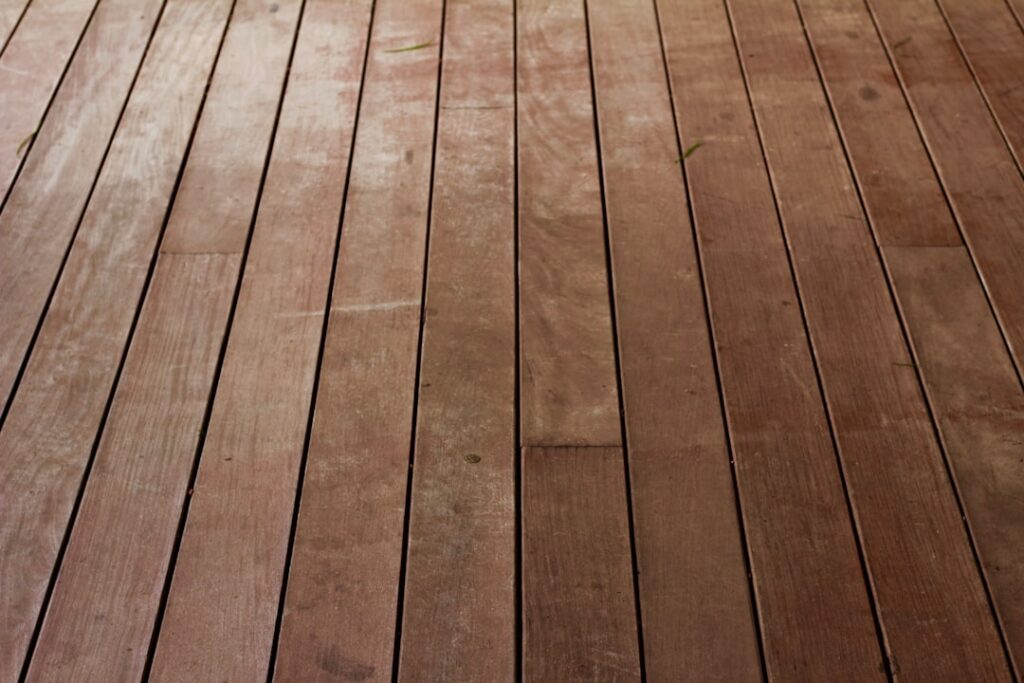
What you should use depends almost entirely on how your floor is sealed. Most floors installed in the last few decades wear a surface finish, typically a water-based or oil-based polyurethane, that sits on top of the wood like a clear shell. These are the most forgiving. Older homes and some high-end installations use penetrating finishes such as tung oil, hardwax oil, or wax, which soak into the wood and require oil-based soaps rather than water-heavy cleaners.
To test, run your finger across the surface in an inconspicuous spot. A smooth, plastic-like feel usually means polyurethane. A softer, more natural feel that shows a faint smudge points to an oil or wax finish. Getting this right matters because a cleaner that shines a polyurethane floor can strip and cloud a waxed one.
The Top Pick: A pH-Neutral Wood Floor Cleaner
For the vast majority of homeowners with polyurethane-sealed floors, the best thing to clean hardwood floors is a purpose-made, pH-neutral wood cleaner. Products like Bona Hardwood Floor Cleaner, Method Squirt + Mop, and Murphy Oil Soap’s wood formulas are engineered to lift dirt without leaving residue or attacking the finish. pH neutral means it is neither acidic nor alkaline enough to etch the sealer, which is precisely why professional installers recommend these over homemade acids.
Buy a ready-to-use spray for convenience or a concentrate if you clean large areas and want to save money. Expect to pay roughly $6 to $12 for a spray bottle that lasts a couple of months in an average home. The single most important habit is to spray lightly onto the floor or applicator, never to flood the boards, because standing water is the number one enemy of any wood floor.
Tools That Make the Difference
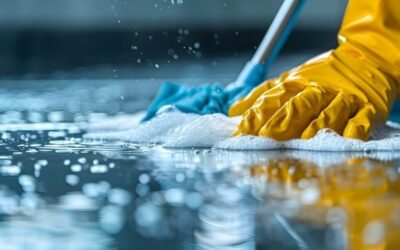
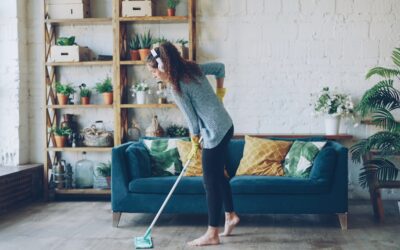
The cleaner is only half the equation. A microfiber flat mop is the gold standard for wood because the fine fibers grab dust and grit that a traditional string mop just pushes around. Grit is abrasive; dragging it across the finish is what creates the dull, scratched traffic lanes you see in front of a sink or sofa.
- Microfiber flat mop: Washable pads, minimal water, ideal weekly workhorse.
- Microfiber dust mop or dry pad: For daily or twice-weekly dust pickup before it gets ground in.
- Soft-bristle broom: Fine for quick jobs but less effective than microfiber on fine dust.
- Vacuum with a hard-floor setting: Turn off the beater bar or use a felt-bottomed floor head so the brush roll does not scratch.
Keep two mop pads in rotation so one is always clean and dry. A dirty pad just redistributes grime, and a soaking pad leaves too much moisture behind.
What to Avoid
Several popular hacks belong on the do-not-use list. Vinegar and lemon juice are acidic; over months they slowly etch and dull polyurethane, undoing the very shine you are chasing. Steam mops are worse. The heat and forced moisture drive water into the seams between boards and can cloud the finish or lift it entirely, and many flooring manufacturers void their warranty if you use one.
Skip oil soaps and wax-based products on polyurethane floors too. They leave a film that builds up over time, attracts dust, and creates a hazy surface that resists any future recoating. Ammonia-based glass cleaners, pine cleaners, and undiluted all-purpose sprays are all too harsh for a wood finish designed for gentle, neutral care.
A Reliable Weekly Routine
Cleaning wood well is more about rhythm than intensity. Dust or vacuum high-traffic paths every few days to keep abrasive grit from accumulating. Once a week, mist your pH-neutral cleaner onto a microfiber pad and mop with the grain in overlapping passes, working from the far corner back toward the door so you never walk on the freshly cleaned surface. The floor should be nearly dry within a minute or two; if it stays wet, you used too much product.
For spills, wipe them immediately with a barely damp cloth and dry the spot. Water rings and cupping almost always trace back to moisture that sat too long. Place felt pads under furniture legs, use walk-off mats at every exterior door, and keep pet nails trimmed to cut down on the scratches that dull a finish faster than any cleaner can restore.
Special Cases: Oiled and Waxed Floors
If your test pointed to an oil or wax finish, your best product changes. Hardwax-oil floors like those finished with Rubio Monocoat or Osmo need their manufacturer’s dedicated soap, which cleans while replenishing the oil. Traditional waxed floors want a solvent-based wood cleaner and periodic buffing rather than water. Using a standard water-based cleaner on these surfaces can leave them blotchy and gray, so match the product to the finish.
DIY Cleaner: When It Makes Sense
Plenty of homeowners want to skip store-bought products, and a safe homemade cleaner is possible if you avoid the acidic recipes floating around online. For a sealed polyurethane floor, the safest DIY mix is simply a few drops of pH-neutral dish soap in a gallon of warm water, applied with a well-wrung microfiber pad so the floor is barely damp. This lifts everyday grime without leaving residue and without the etching risk that vinegar carries. A splash of a dedicated wood-floor concentrate in water works just as well and is engineered for the job.
What you should skip is any recipe built on vinegar, lemon, baking soda, or oil. Vinegar and citrus are acids that slowly dull the finish; baking soda is a mild abrasive that can scratch; and oils leave a film that clouds the surface and interferes with future recoating. The whole point of a homemade cleaner is to save money without harming the floor, and a neutral soap-and-water solution does exactly that. If a floor looks hazy after cleaning, you are almost always using too much product or too much water, so cut back on both and the streaks disappear.
The Bottom Line
The best thing to clean hardwood floors comes down to a pH-neutral, wood-specific cleaner applied sparingly with a microfiber flat mop, backed by frequent dry dusting and quick spill cleanup. Spend your money on the right cleaner and a good mop rather than gadgets, avoid the vinegar-and-steam trap, and match your approach to your finish. Do that consistently and your floors will hold their shine for years between refinishings, which is exactly the payoff that careful, correct cleaning is meant to deliver.
Prefer to explore on your own?
See how new flooring looks in your actual room in seconds — free, no signup.
Try the free Floor Studio →