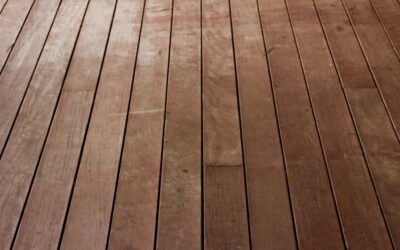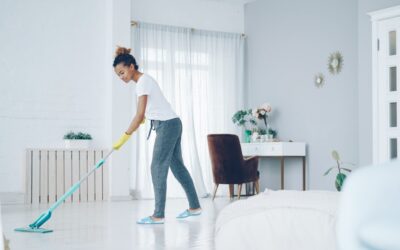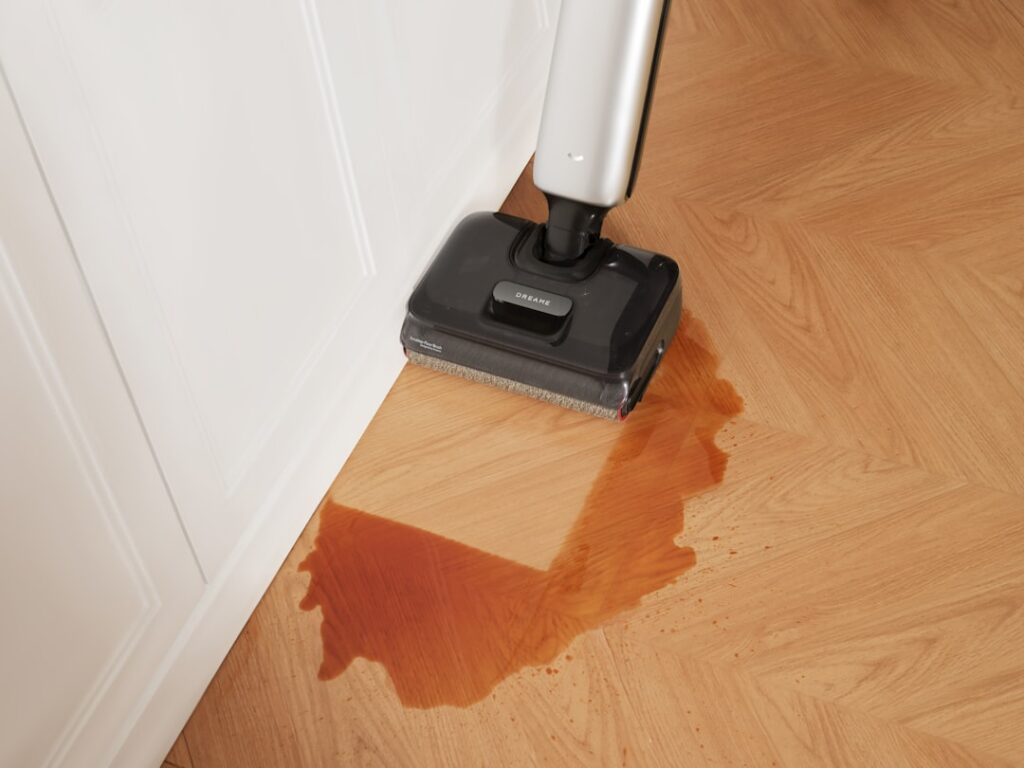
Standing water is the number one enemy of a hardwood floor, which is why the wrong cleaning machine can quietly ruin a finish that should last decades. The best vacuum mop for hardwood floors combines strong suction with a tightly controlled amount of moisture, so it lifts grit and dried spills without soaking the wood or leaving a hazy film behind. A soaking-wet steam mop or an over-wet pad can swell planks, cloud the polyurethane, and open seams. This guide walks through the features that matter, the top machine types to consider, and how to clean sealed wood safely so you buy once and buy right.
Why Hardwood Needs a Different Approach
Wood and water do not mix, even when the floor is sealed. Polyurethane and aluminum-oxide finishes resist surface spills, but standing moisture eventually seeps into seams, micro-scratches, and board edges. That is what causes cupping, dark stains, and a dull, streaky look over time.
A dedicated hardwood vacuum mop solves this by controlling moisture at the pad rather than flooding the floor. The best machines dispense just enough solution to loosen sticky residue, then immediately vacuum or wipe it away before it can penetrate. Suction handles the dry debris that a wet mop alone would just push into corners.
Key Features to Look For
Not every 2-in-1 machine is safe for wood. Focus on the specs that protect the finish rather than the marketing claims on the box.
- Controlled water dispensing with a hardwood or low-moisture setting, not a full steam blast
- Soft, non-abrasive rollers or microfiber pads that will not scratch the topcoat
- Separate clean and dirty water tanks so you never wipe with gray water
- Strong suction to lift grit before the wet pad drags it across the finish
- Self-cleaning or easily removable rollers for maintenance
- Cordless runtime of 25-40 minutes if you want to skip the outlet hunt
Avoid true steam mops for anything other than occasional, cautious use. Steam forces heat and moisture into the wood, and most hardwood manufacturers warn that it can void the finish warranty.
The Main Types Compared
Shoppers usually choose among three formats, and each fits a different household. Understanding the trade-offs helps you match the machine to your floors and cleaning habits.
Cordless Wet-Dry Vacuum Mops
These all-in-one units vacuum and mop in a single pass using soft rollers and self-cleaning cycles. Models in the Tineco Floor One and Bissell CrossWave families run roughly $250 to $500 and are the most convenient option for daily upkeep. Look for a dedicated hardwood or low-moisture mode, since the default settings on some units wet the floor more than sealed wood likes.
Robot Vacuum-Mop Hybrids
Robot combos like the Roborock and iRobot Braava lines vacuum and lightly damp-mop on a schedule for about $300 to $900. They excel at maintenance dust and light footprints but use a lightly dampened pad rather than active suction on the wet side. Choose one with adjustable water flow and a low-moisture setting, and empty the tank between rooms.
Steam Mops With a Hardwood Setting
Some steam mops, such as select Bissell PowerFresh models, include a low-steam hardwood mode for around $80 to $130. They are budget-friendly and sanitize well, but they demand discipline: keep the mop moving, never let it dwell on one spot, and only use them on properly sealed floors.
How to Clean Hardwood Safely
Even the best vacuum mop for hardwood floors performs better with the right technique. A few habits protect your investment and deliver a streak-free shine.
- Dry vacuum or sweep first to remove grit that would otherwise scratch under the pad
- Use a hardwood-safe pH-neutral cleaner, not vinegar or all-purpose sprays that dull the finish
- Keep the pad damp, never dripping; you should see the floor dry within a minute or two
- Work with the grain in long, overlapping passes for an even result
- Dry any lingering moisture in seams or corners with a clean microfiber cloth
Change or rinse the pad often. A dirty pad just redistributes grime, and a saturated one leaves too much water behind. Aim to damp-clean high-traffic areas weekly and lighter rooms every two weeks.
Common Mistakes to Avoid
Most hardwood damage from cleaning machines traces back to moisture and the wrong solution. Flooding a floor with a high-steam setting is the fastest route to cupped boards and a cloudy finish. Vinegar and other acidic cleaners, though popular online, gradually etch and dull polyurethane, so skip them in favor of a formula labeled for sealed wood.
Two more mistakes cost people money: letting a wet robot mop run on an unsealed or waxed floor, and ignoring pad maintenance until the roller is caked with debris. Confirm your floor’s finish, keep the machine clean, and reserve any true steam function for sealed surfaces only.
Which One Should You Buy
For most homeowners, a cordless wet-dry vacuum mop with a dedicated hardwood mode is the best single purchase. It handles dry debris and light wet cleaning in one pass, protects the finish with controlled moisture, and cuts your cleaning time roughly in half compared with vacuuming and mopping separately. Budget $250 to $500 for a capable model.
If you mainly want to keep up with daily dust and have busy floors, add a robot hybrid for scheduled maintenance and reserve the manual machine for deeper weekly cleaning. Households on a tight budget can get good results from a low-steam hardwood-rated mop, as long as they stay disciplined about keeping it moving and only using it on sealed wood.
Maintenance That Keeps the Machine Working
A vacuum mop only protects your floors if you keep it clean, and a neglected unit becomes a source of streaks and odor. After each session, empty and rinse the dirty-water tank so residue does not dry into a film, and run any self-cleaning cycle the machine offers. Pull the roller weekly to clear hair and grit trapped at the ends, since a clogged roller distributes moisture unevenly and can scratch the finish.
Replace worn rollers and filters on the manufacturer’s schedule, typically every six to twelve months depending on use. Descale the water lines every couple of months if you have hard water, using a solution the maker approves. A machine that gets this basic care will keep dispensing a controlled amount of moisture and holding strong suction for years, which is exactly what sealed wood needs.
Matching the Machine to Your Home
Floor plan and lifestyle should steer your choice as much as the spec sheet. Homes with mostly hardwood and a few area rugs do well with a single cordless wet-dry unit on its lowest moisture setting. Households that mix hardwood with tile or luxury vinyl benefit from a multi-surface machine, but you should still drop it to the hardwood mode on wood and confirm the rollers are non-abrasive.
Pet owners should prioritize strong suction and a tangle-resistant roller to handle fur and tracked-in grit, while allergy-prone households may want a model with a sealed filtration path. Match those needs to the format, and the machine will earn its price in saved time and a finish that stays intact.
The Bottom Line
The best vacuum mop for hardwood floors is the one that lifts grit with real suction while keeping moisture tightly controlled at the pad. Prioritize a hardwood or low-moisture setting, soft non-abrasive rollers, and separate water tanks, then pair the machine with a pH-neutral cleaner and disciplined technique. Get those fundamentals right and you will keep your wood floors clean, streak-free, and structurally sound for years instead of slowly wearing down the finish you paid to protect.
Prefer to explore on your own?
See how new flooring looks in your actual room in seconds — free, no signup.
Try the free Floor Studio →