Laminate flooring is designed to be durable and easy to maintain, but cleaning it incorrectly can cause lasting damage. Too much water swells the HDF core. Harsh chemicals strip the protective wear layer. Abrasive tools leave permanent scratches. Understanding the best way to clean laminate floors protects your investment and keeps your floors looking beautiful for years.
- Why Laminate Floors Need Special Care
- Daily Laminate Floor Maintenance
- Weekly Laminate Floor Cleaning
- How to Deep Clean Laminate Floors
- Removing Scuff Marks
- Removing Sticky Residue
- Removing Grease and Oil
- Removing Wax and Candle Drips
- Removing Crayon and Marker
- What NOT to Do When Cleaning Laminate Floors
- Never Use a Soaking Wet Mop
- Never Use a Steam Mop
- Never Use Abrasive Cleaners or Tools
- Never Use Wax, Polish, or Oil-Based Products
- Never Use Bleach
- Best Mop for Laminate Floors
- How Often Should You Clean Laminate Floors?
- Protecting Laminate Floors Between Cleanings
- Frequently Asked Questions
- Can I use vinegar on laminate floors?
- Why do my laminate floors look cloudy after mopping?
- Can I use a Swiffer on laminate floors?
- How do I get streak-free laminate floors?
- Final Thoughts
This guide covers the safest, most effective cleaning methods for laminate floors — from daily maintenance to deep cleaning stubborn stains. Follow these steps and your laminate will stay in pristine condition.
Why Laminate Floors Need Special Care
Laminate flooring is not solid wood, tile, or vinyl — it has a unique construction that dictates how it should be cleaned. The top layer is a thin melamine wear coating that protects a photographic image layer. Below that is an HDF (high-density fiberboard) core that is extremely sensitive to moisture.
Water that seeps through the seams or edges reaches the HDF core and causes irreversible swelling and warping. Unlike hardwood flooring, which can be sanded and refinished after water damage, laminate cannot be repaired — swollen laminate must be replaced. This is why moisture control is the single most important aspect of laminate floor cleaning.
Daily Laminate Floor Maintenance
Sweep or Dust Mop
The best way to clean laminate floors on a daily basis is a simple dry sweep with a soft-bristle broom or microfiber dust mop. This removes the grit, sand, and debris that act like sandpaper under foot traffic, gradually dulling and scratching the wear layer.
A microfiber dust mop is preferable to a broom because the electrostatic charge of microfiber attracts and holds dust particles rather than pushing them around. Run the dust mop across your laminate floors every day in high-traffic areas and every two to three days in low-traffic rooms.
Vacuum (Carefully)
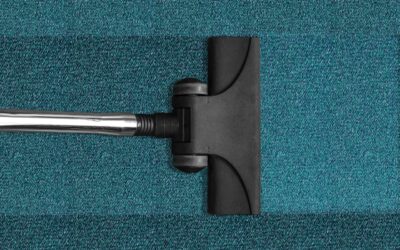
Vacuuming laminate is efficient but requires the right settings. Use a vacuum with a hard-floor setting that turns off the rotating brush bar (beater bar). An active beater bar can scratch the laminate surface. Canister vacuums with a hard-floor attachment and stick vacuums designed for hard surfaces work best.
Avoid vacuums with hard plastic wheels that can leave marks on the floor. Rubber-wheeled models and felt-padded vacuums are safe for laminate.
Weekly Laminate Floor Cleaning
The Damp Mop Method
Weekly damp mopping removes the grime, footprints, and light stains that dry sweeping misses. The key word is damp — not wet. A barely damp microfiber mop is the best tool for the job.
- Sweep or vacuum the floor first to remove all loose debris.
- Fill a bucket with warm water and add a small amount of laminate floor cleaner (follow the product dilution ratio).
- Dip a flat microfiber mop into the solution.
- Wring the mop thoroughly until it is just slightly damp — you should not be able to squeeze any water out of it.
- Mop in the direction of the plank grain, working in sections.
- Dry each section immediately with a clean, dry microfiber cloth if any moisture remains visible on the surface.
The entire process should leave the floor dry within seconds of mopping. If water sits on the surface for more than a minute, you are using too much moisture.
Best Cleaning Products for Laminate Floors
Use cleaning products specifically formulated for laminate. These products are designed to clean effectively at low concentrations without leaving residue or damaging the wear layer.
Bona Hard-Surface Floor Cleaner: A ready-to-use spray that cleans without streaking or residue. Safe for laminate and all hard surfaces.
Black Diamond Wood & Laminate Floor Cleaner: A concentrated formula that dilutes in water for mopping. Leaves no film or buildup.
Swiffer WetJet with Laminate Pads: A convenient spray-and-mop system that controls moisture precisely. The laminate-specific pads are designed to pick up dirt without leaving excess water.
DIY solution: Mix 1 gallon of warm water with 1/2 cup of white vinegar and 1 tablespoon of rubbing alcohol. The vinegar cuts grease, and the alcohol helps the solution evaporate quickly. Use sparingly — a very lightly dampened mop only.
How to Deep Clean Laminate Floors
Even with regular maintenance, laminate floors occasionally need deeper cleaning to remove built-up grime, scuff marks, and stubborn stains.
Removing Scuff Marks
Black scuff marks from shoe soles are common on laminate floors. Rub the scuff gently with a clean tennis ball, a dry microfiber cloth, or a pencil eraser. For stubborn scuffs, apply a small amount of rubbing alcohol to a cloth and rub gently. The scuff should lift without damaging the wear layer.
Removing Sticky Residue
Adhesive, gum, or sticky spills can be removed by applying a small amount of rubbing alcohol or acetone-free nail polish remover to a cloth and gently rubbing the spot. Do not pour solvents directly onto the floor. Clean the area with damp cloth afterward to remove any residual solvent.
Removing Grease and Oil
Kitchen grease and oily stains respond well to a small drop of dish soap on a damp microfiber cloth. Rub the spot gently, then wipe clean with a damp cloth and dry immediately. For larger greasy areas, add a few drops of dish soap to your mopping solution.
Removing Wax and Candle Drips
Allow wax to harden completely, then gently scrape it off with a plastic scraper (never metal). Wipe any remaining residue with a cloth dampened with rubbing alcohol.
Removing Crayon and Marker
Rubbing alcohol or white toothpaste (non-gel) applied to a soft cloth removes most crayon and marker stains from laminate. Rub gently in a circular motion, then wipe clean and dry.
What NOT to Do When Cleaning Laminate Floors
Knowing what to avoid is just as important as knowing what to do. These common mistakes damage laminate floors.
Never Use a Soaking Wet Mop
This is the most critical rule. Excess water penetrates laminate seams and edges, swelling the HDF core and causing permanent damage. Always wring your mop until it is barely damp. Never pour water directly onto a laminate floor.
Never Use a Steam Mop
Steam mops force pressurized hot moisture directly into the floor surface and seams. This concentrated heat and moisture attacks laminate aggressively, causing warping, delamination, and finish damage — often after just a few uses. Most laminate manufacturers explicitly void their warranty if steam mops are used.
Never Use Abrasive Cleaners or Tools
Steel wool, scouring pads, and abrasive powder cleaners scratch and dull the laminate wear layer permanently. Once scratched, the damage cannot be repaired or polished out. Always use soft microfiber cloths and non-abrasive cleaning solutions.
Never Use Wax, Polish, or Oil-Based Products
Products designed for hardwood floors (Murphy’s Oil Soap, paste wax, buffing compounds) leave a hazy film on laminate that builds up over time. Laminate’s melamine surface is designed to be cleaned, not polished or waxed. These products are unnecessary and counterproductive.
Never Use Bleach
Bleach can discolor and damage the laminate’s photographic layer and wear coating. If you need to disinfect, use a laminate-safe disinfectant or a solution of rubbing alcohol and water.
Best Mop for Laminate Floors
The ideal mop for laminate floors is a flat microfiber mop with washable, reusable pads. Here is why.
Flat design: Flat mops distribute pressure evenly and glide easily over laminate. String mops leave excess water and push dirt around rather than picking it up.
Microfiber material: Microfiber picks up more dirt per pass than cotton, absorbs moisture efficiently, and releases dirt easily when washed. It is gentle enough to avoid scratching.
Spray mop option: Spray mops with a built-in reservoir let you control moisture precisely — one or two spritz per section is all you need. Fill the reservoir with your preferred laminate cleaner for convenience.
Avoid steam mops entirely. Avoid string mops that drip excessive water. Avoid mops with abrasive scrubbing pads.
How Often Should You Clean Laminate Floors?
Daily: Sweep or dust mop high-traffic areas (kitchen, entryway, hallways).
Every 2-3 days: Sweep or dust mop the entire house.
Weekly: Damp mop the entire floor with a laminate-safe cleaner.
Monthly: Inspect for and treat any scuffs, stains, or buildup.
Annually: Deep clean, move furniture to clean underneath, and inspect for any seam damage or wear.
Homes with pets, children, or high foot traffic may need to increase frequency. Homes with minimal traffic can extend intervals. The goal is preventing grit accumulation that causes long-term wear.
Protecting Laminate Floors Between Cleanings
Use doormats: Place mats at every entry point to capture dirt and moisture before they reach your laminate.
Use furniture pads: Stick felt pads to the bottom of all furniture legs. This prevents scratches from chairs, tables, and couches being pushed or dragged.
Use chair mats: Place a hard-surface chair mat under rolling office chairs. Rolling casters grind grit into laminate and create wear patterns over time.
Trim pet nails: Long pet nails are one of the most common causes of laminate scratching. Regular trimming protects both your floors and your pet’s comfort.
Clean spills immediately: Blot any liquid spill the moment it happens. Do not let water, juice, or any liquid sit on laminate for any length of time.
Frequently Asked Questions
Can I use vinegar on laminate floors?
Diluted white vinegar (1/2 cup per gallon of water) is safe for occasional use on laminate floors. However, undiluted vinegar is too acidic and can damage the finish over time. For regular cleaning, a purpose-made laminate cleaner is the safest choice.
Why do my laminate floors look cloudy after mopping?
Cloudiness is usually caused by too much cleaning product, the wrong product (wax or oil-based), or residue from a previous cleaner. To fix it, mop with a solution of 1 gallon warm water and 1 cup of white vinegar — no soap. This strips the residue. Going forward, use less product and rinse your mop frequently.
Can I use a Swiffer on laminate floors?
Yes, Swiffer dry and wet pads are safe for laminate floors. The dry pads effectively pick up dust, and the wet pads deliver a controlled amount of moisture that is safe for laminate. Avoid the PowerMop setting if it dispenses excessive liquid.
How do I get streak-free laminate floors?
Use a minimal amount of cleaning solution, wring your mop nearly dry, and mop in the direction of the plank grain. The rubbing alcohol in homemade solutions helps prevent streaking by promoting fast evaporation. Buffing with a dry microfiber cloth after mopping eliminates any remaining streaks.
Final Thoughts
The best way to clean laminate floors is gentle, consistent, and moisture-controlled. Sweep daily, damp mop weekly with a laminate-safe cleaner, and never let water sit on the surface. Avoid steam mops, harsh chemicals, and abrasive tools. With this simple routine, your laminate flooring will maintain its beauty and structural integrity for the full span of its warranty and beyond. The key to clean laminate is not scrubbing harder — it is cleaning smarter with the right tools and the right amount of moisture.
Prefer to explore on your own?
See how new flooring looks in your actual room in seconds — free, no signup.
Try the free Floor Studio →