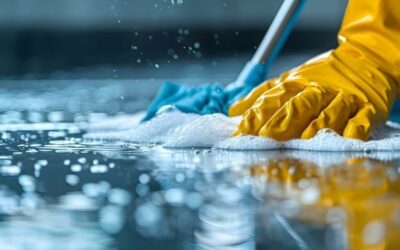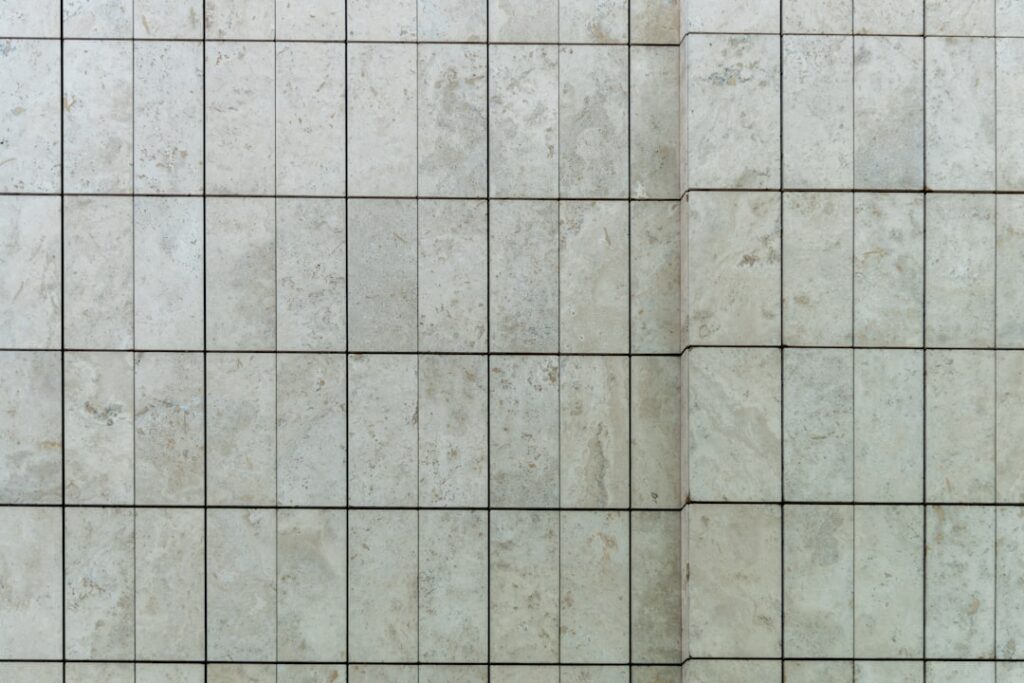
Finding the best way to clean tile floors can feel overwhelming when you consider how many products and methods are available. The truth is that effective tile cleaning does not require expensive specialty products or professional equipment. With the right approach tailored to your specific tile type, you can keep your floors sparkling clean with minimal effort.
- Understanding Your Tile Type
- Essential Supplies for Cleaning Tile Floors
- The Best Way to Clean Tile Floors: Daily Routine
- Step 1: Remove Loose Debris
- Step 2: Prepare Your Cleaning Solution
- Step 3: Mop with Proper Technique
- Step 4: Dry the Floor
- Deep Cleaning Tile Floors
- Hot Water and Vinegar Method (Ceramic and Porcelain Only)
- Baking Soda Paste for Stubborn Stains
- Steam Cleaning
- How to Clean Tile Grout
- Common Tile Cleaning Mistakes to Avoid
- Best Way to Clean Tile Floors by Room
- DIY Tile Floor Cleaning Solutions
- When to Consider Professional Tile Cleaning
- Maintaining Clean Tile Floors Long-Term
- Final Thoughts
This guide covers everything from daily maintenance routines to deep-cleaning techniques for stubborn stains. Whether you have ceramic, porcelain, or natural stone tile, you will find the exact cleaning methods that work best for your floors.
Understanding Your Tile Type
Before you start cleaning, it is essential to identify what type of tile flooring you have. Different tile materials require different cleaning approaches, and using the wrong method can cause permanent damage.
Ceramic Tile
Ceramic tile is one of the most common and forgiving tile types when it comes to cleaning. It has a glazed surface that resists most stains and can handle a wide range of cleaning products. Ceramic tile is durable enough for most household cleaners, though abrasive products should still be avoided.
Porcelain Tile
Porcelain is denser and more stain-resistant than ceramic, making it even easier to clean. Both glazed and unglazed porcelain respond well to standard cleaning methods. Unglazed porcelain may require a penetrating sealer to prevent staining in high-traffic areas.
Natural Stone Tile
Natural stone tile including marble, travertine, slate, and granite requires the most careful cleaning approach. Stone is porous and sensitive to acidic cleaners, so you must use pH-neutral products specifically formulated for natural stone. Never use vinegar, lemon juice, or standard tile cleaners on natural stone.
Essential Supplies for Cleaning Tile Floors
Gathering the right supplies before you start makes the cleaning process efficient and effective. Here is what you need for a thorough tile floor cleaning session.
A soft-bristle broom or vacuum with a hard floor setting handles loose debris. A microfiber mop is ideal for wet cleaning because it picks up dirt without leaving lint behind. You will also need a bucket, warm water, your chosen cleaning solution, a grout brush or old toothbrush, and clean towels for drying.
For deep cleaning, consider adding a steam mop, hydrogen peroxide for grout stains, and a spray bottle for spot treatments to your toolkit.
The Best Way to Clean Tile Floors: Daily Routine
Step 1: Remove Loose Debris
The best way to clean tile floors starts with removing loose dirt, dust, and debris. Sweep with a soft-bristle broom or use a vacuum cleaner set to hard floor mode. This prevents grit from being ground into the tile surface and grout lines during mopping. Pay extra attention to corners and edges where debris accumulates.
Step 2: Prepare Your Cleaning Solution
For daily cleaning, a simple solution of warm water with a few drops of mild dish soap works perfectly for ceramic and porcelain tile. Mix one gallon of warm water with one to two tablespoons of dish soap. For natural stone, use a cleaner specifically labeled as safe for stone surfaces.
Step 3: Mop with Proper Technique
Dip your microfiber mop into the cleaning solution and wring it thoroughly. The mop should be damp, not dripping wet. Excess water can seep into grout lines and cause problems over time. Mop in straight lines rather than circles, and rinse the mop head frequently in clean water.
Step 4: Dry the Floor
After mopping, go over the floor with a clean, dry microfiber cloth or towel. This step removes any remaining cleaning residue and prevents water spots, especially on darker tile. Drying is particularly important for natural stone floors that are sensitive to standing moisture.
Deep Cleaning Tile Floors
Even with regular daily maintenance, tile floors benefit from periodic deep cleaning. Aim to deep clean your tile floors every one to two months, or more frequently in high-traffic areas.
Hot Water and Vinegar Method (Ceramic and Porcelain Only)
Mix equal parts white vinegar and hot water in a bucket. The acidity of vinegar cuts through grease, soap scum, and mineral deposits effectively. Apply the solution with a mop, let it sit for five minutes, then scrub and rinse with clean water. Never use this method on natural stone, as the acid will etch the surface.
Baking Soda Paste for Stubborn Stains
Make a thick paste by mixing baking soda with a small amount of water. Apply the paste directly to stained areas and let it sit for 10 to 15 minutes. Scrub gently with a soft brush, then rinse clean. This method works on all tile types and is especially effective on grout stains.
Steam Cleaning
Steam mops are an excellent tool for deep cleaning tile floors without chemicals. The high-temperature steam sanitizes the surface and loosens embedded dirt. Steam cleaning is safe for ceramic and porcelain tile but should be used cautiously on natural stone, as excessive heat can cause damage to certain stone types.
How to Clean Tile Grout
Grout is often the toughest part of tile floor cleaning because its porous surface absorbs stains readily. Dirty grout can make even the cleanest tile look dingy, so grout cleaning is a critical part of maintaining your tile flooring.
Hydrogen Peroxide Method
Apply hydrogen peroxide directly to stained grout lines and let it sit for 10 minutes. Scrub with a stiff grout brush or old toothbrush, then wipe clean. For tougher stains, mix hydrogen peroxide with baking soda to form a paste and apply it to the grout. This combination creates a gentle fizzing action that lifts embedded dirt.
Oxygen Bleach Solution
Dissolve oxygen bleach powder in warm water according to the package directions. Pour or spray the solution onto grout lines and allow it to work for 15 to 30 minutes. Scrub with a brush and rinse thoroughly. Oxygen bleach is color-safe and less harsh than chlorine bleach, making it suitable for colored grout.
Professional Grout Cleaning
For severely stained or discolored grout that does not respond to home cleaning methods, professional tile and grout cleaning services use specialized equipment and commercial-grade products. Professional cleaning typically costs $1 to $3 per square foot and can restore grout to near-original condition.
Common Tile Cleaning Mistakes to Avoid
Using Too Much Water
Flooding tile floors with water is one of the most common cleaning mistakes. Excess water seeps into grout lines, can undermine adhesive bonds, and creates a breeding ground for mold and mildew. Always wring your mop thoroughly and use the minimum amount of water necessary.
Using Abrasive Cleaners
Scouring powders and abrasive pads can scratch glazed tile surfaces, dulling their finish permanently. Even on tough porcelain, repeated use of abrasive products will degrade the surface over time. Stick to soft cloths, microfiber mops, and non-abrasive cleaning solutions.
Ignoring Spills
While tile itself is resistant to most stains, grout is not. Allowing spills to sit on tile floors gives liquids time to penetrate grout lines and cause lasting stains. Wipe up spills promptly, especially colored liquids like wine, coffee, and juice.
Using Vinegar on Natural Stone
This bears repeating because it is such a common and costly mistake. Vinegar, lemon juice, and any acidic cleaner will etch and damage natural stone tile. The damage is permanent and can only be repaired by professional stone restoration. Always use pH-neutral cleaners on stone.
Best Way to Clean Tile Floors by Room
Kitchen Tile Floors
Kitchen tile floors deal with grease, food spills, and heavy foot traffic. Use a degreasing dish soap solution for daily mopping, and deep clean monthly with a stronger degreaser. Pay special attention to the area in front of the stove and sink where grease splatters accumulate.
Bathroom Tile Floors
Bathroom tile contends with soap scum, hard water deposits, and humidity. A vinegar solution works well for mineral deposits on ceramic and porcelain. Ensure good ventilation after cleaning to prevent moisture buildup. Consider pairing your tile floor with proper waterproof flooring practices to prevent water damage.
Entryway and Mudroom Tile
Entry areas face the toughest conditions with tracked-in dirt, mud, salt, and moisture. Place quality doormats inside and outside the entry to reduce the amount of debris reaching the tile. Clean entryway tile floors two to three times per week during wet seasons.
DIY Tile Floor Cleaning Solutions
You do not need expensive commercial products to keep your tile floors clean. These DIY solutions use common household ingredients and work remarkably well.
An all-purpose tile cleaner can be made by combining one gallon of warm water, a quarter cup of white vinegar, and a tablespoon of dish soap. For a fresh scent, add 10 drops of essential oil such as lemon or tea tree. For grout whitening, mix half a cup of baking soda with a quarter cup of hydrogen peroxide and a teaspoon of dish soap into a thick paste.
A disinfecting tile cleaner can be made with one gallon of hot water and half a cup of rubbing alcohol. This solution cleans and sanitizes without leaving a residue, making it ideal for bathroom and kitchen tile.
When to Consider Professional Tile Cleaning
While regular home cleaning keeps tile floors in good condition, there are situations where professional cleaning is the best choice. If your grout has become permanently discolored despite your best efforts, if you have extensive hard water staining, or if your tile floors have not been properly cleaned in years, a professional service can restore them.
Professional tile cleaners use truck-mounted or portable extraction equipment that delivers far more cleaning power than consumer products. They can also apply professional-grade sealers to grout and natural stone that provide longer-lasting protection than retail sealers.
Maintaining Clean Tile Floors Long-Term
The best way to clean tile floors is to prevent them from getting excessively dirty in the first place. Use doormats at entrances, enforce a no-shoes policy if practical, and address spills immediately. Seal grout lines every one to two years to maintain their stain resistance.
Consider the traffic patterns in your home and adjust your cleaning frequency accordingly. High-traffic areas like kitchens and entryways need more frequent attention than bedrooms and guest bathrooms. With a consistent maintenance routine, your tile floors will stay beautiful for decades.
Final Thoughts
The best way to clean tile floors combines regular daily maintenance with periodic deep cleaning tailored to your specific tile type. By using the right products and techniques, avoiding common mistakes, and staying consistent with your cleaning routine, you can keep your tile floors looking their best without spending hours on hands and knees.
Remember that tile type matters when choosing cleaning methods and products. What works beautifully on ceramic tile can permanently damage natural stone. When in doubt, test any new cleaning product in an inconspicuous area first and always follow the manufacturer’s care recommendations.
Prefer to explore on your own?
See how new flooring looks in your actual room in seconds — free, no signup.
Try the free Floor Studio →