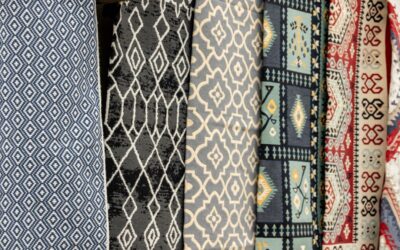
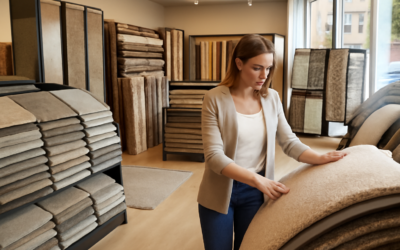
A room can have beautiful furniture and still feel disjointed, and the fix is often simpler than people think: the right big carpet pulls a space together, defines a seating area, and makes the whole room feel intentional. Whether you are shopping for an oversized area rug to anchor a great room or wall-to-wall carpet for a large bedroom, going big comes with its own rules around sizing, material, placement, and cleaning. Buy too small and the room looks awkward; buy the wrong fiber and you will regret it within a year. Here is how to choose wisely.
What Counts as a “Big” Carpet
In the area-rug world, “big” generally starts at 8 by 10 feet and goes up from there. The most common oversized sizes you will shop are:
- 8 by 10 feet: the entry point for large rugs, good for medium-to-large living rooms.
- 9 by 12 feet: the most popular large size, ideal for full living and dining rooms.
- 10 by 14 feet and larger: for great rooms, open-concept spaces, and big primary bedrooms.
- Custom and room-size: cut-to-fit broadloom carpet bound into a large rug, sized to your exact room.
If your room sits between standard sizes, a custom-bound carpet remnant is often cheaper than an oversized branded rug and lets you hit the exact dimensions you need.
Getting the Size Right
The most common big-carpet mistake is going too small. As a rule, a large area rug should be big enough that at least the front legs of every major piece of furniture sit on it, which visually ties the grouping together. In an open living room, aim to leave a consistent border of bare floor, roughly 8 to 18 inches, around the rug’s edges rather than running it wall to wall. In a dining room, the rug should extend at least 24 inches beyond the table on all sides so chairs stay on the rug when pulled out.
Tape out the rug’s footprint on the floor with painter’s tape before buying. Seeing the actual outline in the room prevents expensive sizing errors.
Choosing the Right Material
A big carpet is a big investment, so match the fiber to how the room is used:
- Wool: soft, durable, naturally stain-resistant, and luxurious underfoot, but pricier. Great for living rooms and bedrooms.
- Nylon: tough and resilient, the workhorse for high-traffic family spaces.
- Polyester: soft and budget-friendly with good stain resistance, though it can flatten under heavy traffic.
- Polypropylene (olefin): affordable and moisture-resistant, common in indoor-outdoor and basement rugs.
- Natural fibers (jute, sisal): textured and earthy, but harder underfoot and tougher to clean.
For a room with kids and pets, a stain-resistant nylon or a quality polyester earns its keep. For a formal space, wool is hard to beat.
Pile Height and Texture
Pile affects both feel and upkeep. Low-pile and flatweave carpets are easier to vacuum, hide footprints, and work well under furniture and in dining rooms where chairs move. Plush, high-pile, and shag carpets feel wonderful underfoot in bedrooms and lounges but trap more dust and show traffic patterns. In a large, busy room, a medium-low pile usually offers the best balance of comfort and practicality.
What a Big Carpet Costs
Price scales with size and material. A synthetic 9-by-12 area rug might run a few hundred dollars, while a quality wool rug that size can climb well into four figures. As a rough guide, broadloom carpet sold by the square foot runs from about $2 to $8 per square foot for the material, with premium wool and patterned goods costing more, plus pad and labor if installed wall to wall. Binding a remnant into a custom large rug is often the most economical route to an exact oversized size.
Always Use a Rug Pad
Under any big area rug, a quality pad is not optional. It keeps the rug from sliding, adds cushioning, protects the floor beneath, and extends the carpet’s life by absorbing foot traffic. Cut the pad about an inch smaller than the rug on all sides. On hardwood and vinyl, choose a non-staining felt-and-rubber pad rather than cheap solid rubber, which can mark the floor over time.
Cleaning a Large Carpet
Big carpets are harder to clean simply because of their size, so a routine helps. Vacuum at least weekly, more in high-traffic zones, and rotate the rug a couple of times a year so wear and fading stay even. Blot spills immediately rather than rubbing, and pretest any spot cleaner in a hidden corner. For deep cleaning, a home carpet shampooer handles most oversized rugs in place, though wool and delicate rugs are often best sent to a professional. Make sure a freshly cleaned big carpet dries fully, with fans and airflow, to prevent mildew underneath.
Tips for Living With a Big Carpet
- Vacuum both sides occasionally to release embedded grit.
- Trim, never pull, any snags or loose loops.
- Use furniture coasters to prevent permanent dents under heavy pieces.
- Keep direct sunlight in check with shades to limit fading on large exposed areas.
Color and Pattern in a Large Rug
A big carpet covers a lot of visual real estate, so color and pattern carry extra weight. Solid and tonal rugs feel calm and let furniture and art take center stage, but they show every crumb and footprint. A subtle pattern or a low-contrast texture hides soil and traffic far better, which is why busy family rooms often look best with a patterned or heathered big rug. Lighter rugs brighten and enlarge a space but demand more cleaning; darker and multicolor rugs are forgiving. When committing to a large purchase, order a swatch or a smaller sample of the same line and live with it in the room for a few days before buying.
Delivery and Handling Considerations
Do not underestimate the logistics of a large carpet. A 9-by-12 or bigger rug is heavy and arrives tightly rolled, sometimes requiring two people to move and unroll. Plan a clear path to the room and clear the furniture first. Fresh rugs often have creases and a faint manufacturing odor; lay the rug flat, let it relax for a few days, and gently reverse-roll stubborn corners or weigh them down. Air the room out to clear any new-rug smell. If the rug shipped folded rather than rolled, the creases take longer to settle, so be patient before judging how it lays.
The Bottom Line
A big carpet is one of the most effective ways to make a large room feel finished and cohesive, but only if you size it generously, choose a fiber that matches your traffic, and protect it with a quality pad. Tape out the footprint before buying, lean toward durable materials in busy spaces, and commit to regular vacuuming and prompt spill cleanup. Get those basics right and a large area rug will anchor your room beautifully for many years.