Black decomposed granite is a striking, budget-friendly ground cover that turns pathways, patios, and xeriscaped yards into dramatic dark-toned landscapes. Prized for its rich charcoal color and natural, permeable surface, black decomposed granite offers a low-maintenance alternative to concrete or pavers. This guide explains what it is, what it costs, how to install it, and how to keep it looking sharp for years.
What Is Black Decomposed Granite?
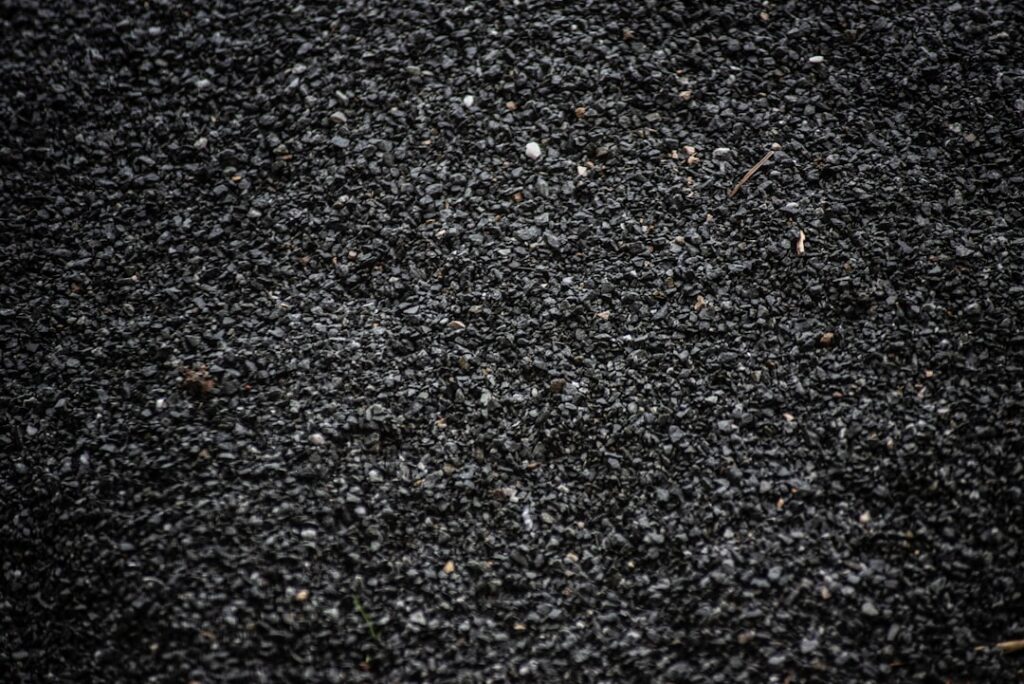
Decomposed granite, often shortened to DG, is granite rock that has weathered and eroded over time into a mix of fine gravel and coarse sand. Black decomposed granite gets its dark color from the mineral makeup of the parent rock, which is high in dark minerals like biotite, hornblende, and magnetite. Individual particles typically range from fine powder up to about 3/8 inch.
The material comes in three main forms. Natural loose DG is the raw, unbound product. Stabilized DG is blended with an organic binder for a firmer surface. Resin-coated DG is premixed with a polymer resin for the hardest, most pavement-like result. Which one you choose depends on how much traffic and how much stability your project needs.
Common Uses in the Landscape
Homeowners reach for black decomposed granite because it is versatile and reads as upscale against green plantings and light-colored stone. Popular applications include:
- Garden and walking paths that need a soft, natural crunch underfoot.
- Patios and seating areas where a permeable surface is desired.
- Driveways using stabilized or resin-coated DG for firmness.
- Xeriscape and drought-tolerant yards as a mulch substitute that suppresses weeds.
- Around fire pits, dry creek beds, and modern desert-style designs where the dark tone adds contrast.
The black color also absorbs heat, which can be a benefit in cool climates but a drawback in hot desert regions where the surface can get uncomfortably warm underfoot in direct sun.
Black Decomposed Granite Cost
One of the biggest draws is affordability compared with hardscape. Pricing varies by region, color rarity, and whether the product is stabilized.
- Loose natural DG: roughly $40 to $80 per ton, or about $50 to $70 per cubic yard.
- Stabilized DG: approximately $70 to $110 per ton because of the added binder.
- Resin-coated DG: $8 to $12 per bag or higher per ton, the premium option.
- Bagged DG from home centers: often $6 to $10 per 40 to 50 lb bag, best for small projects.
Because black is a specialty color, expect to pay a premium over standard tan or gold DG. Installed with labor, a professional job typically runs $2 to $6 per square foot. One ton of DG covers roughly 70 to 100 square feet at a compacted 2-inch depth, so estimate your tonnage before ordering.
How to Install Black Decomposed Granite
A durable DG surface is all about the base preparation. Skipping the sub-base is the top reason paths wash out or turn to mud. Follow these steps for a lasting result.
- Excavate. Dig out 3 to 4 inches of soil, removing grass, roots, and debris. Grade the area with a slight slope of about 1 to 2 percent for drainage.
- Install edging. Set steel, aluminum, brick, or bender-board edging to contain the DG and keep clean lines. Without edging, loose DG migrates onto lawns and beds.
- Lay a base. Add and compact 2 inches of road base or crushed gravel for high-traffic areas. Landscape fabric underneath helps block weeds while still allowing drainage.
- Spread the DG. Add the black decomposed granite in 1 to 2 inch lifts, raking it level. For stabilized DG, mix the binder per the manufacturer’s ratio.
- Moisten and compact. Lightly wet the surface, then compact with a plate compactor or hand tamper. Repeat in layers until you reach the final compacted depth of about 2 to 3 inches.
For a firmer, more permanent surface, apply a stabilizer such as a psyllium-based or polymer binder during installation. Stabilized DG resists rutting, sheds less material, and holds up to wheelbarrows and foot traffic far better than loose product.
Drainage and Weed Control
DG is permeable, so water passes through rather than pooling, which makes it friendlier to soil and trees than sealed concrete. That said, poor grading still causes problems. Always slope the surface away from structures and toward a drainage outlet. In heavy-rain regions, a compacted gravel base and edging are essential to prevent erosion channels from forming.
Weeds can sprout in loose DG since windblown seeds settle into the fine material. Landscape fabric beneath the DG plus periodic spot treatment keeps growth minimal. Stabilized surfaces resist weeds much better because the binder locks the particles together.
Maintenance and Longevity
Black decomposed granite is low-maintenance but not no-maintenance. Loose DG needs occasional replenishment as foot traffic and rain carry fines away, typically a fresh top layer every few years. Rake high spots into low spots to keep the surface even, and re-compact after heavy weather. Stabilized and resin-coated surfaces last much longer, often five to ten years or more before needing attention.
Keep leaves and organic debris blown off, since decaying matter creates a seedbed for weeds and can stain the surface. If the black color fades from UV exposure or dust accumulation, a fresh thin layer restores the deep tone. A well-built path can serve a decade or more with minimal upkeep.
Pros and Cons at a Glance
Weighing the tradeoffs helps set expectations before you order a truckload. Black decomposed granite earns its popularity, but it is not the right answer for every project.
Advantages
- Affordable at a fraction of the cost of pavers, concrete, or natural flagstone.
- Permeable, so rainwater soaks into the soil rather than running off, which many municipalities favor for stormwater management.
- Natural, high-contrast look that flatters plantings and modern desert or contemporary designs.
- Easy DIY installation with basic tools over a weekend for a modest path.
- Repairable, since you simply add and re-compact more material rather than replacing panels.
Drawbacks
- Heat absorption, as the dark color gets hot in direct summer sun, which matters in desert climates.
- Tracking, since loose fines can cling to shoes and pet paws and travel indoors.
- Periodic replenishment for loose DG as traffic and rain carry material away.
- Not ideal on steep slopes without terracing, because runoff erodes uncontained DG.
Black DG vs. Other Ground Covers
Compared with gravel or crushed stone, black decomposed granite packs to a firmer, smoother surface because its fine particles knit together, making it easier to walk on and better for wheelchairs, strollers, and patio furniture. Compared with poured concrete, DG costs far less and drains freely, but it needs more upkeep and will not carry heavy vehicle loads unless stabilized. Against wood mulch in planting beds, DG lasts far longer, will not attract termites, and does not need annual replacement, though it does not feed the soil the way decomposing organic mulch does. For homeowners chasing a bold, modern, low-water landscape, black DG hits a sweet spot between cost, looks, and permeability.
Is Black Decomposed Granite Worth It?
For homeowners who want a bold, natural-looking, permeable surface at a fraction of the cost of pavers or stamped concrete, black decomposed granite is an excellent choice. It delivers standout curb appeal, supports drainage and healthy soil, and installs with basic tools over a weekend for a modest path. The main tradeoffs are periodic replenishment for loose DG and heat absorption in sunny climates. Choose stabilized or resin-coated DG for driveways and high-traffic zones, prep a solid base, and your black decomposed granite surface will reward you with years of low-maintenance, high-impact beauty.