Black epoxy paint delivers a hard, glossy, jet-black finish that resists chemicals, abrasion, and moisture far better than ordinary paint, which is why it is a favorite for garage floors, basements, workshops, and metal surfaces. The deep black color hides stains and creates a sleek, professional look, but achieving that result depends almost entirely on proper surface preparation and following the product’s mixing and curing instructions. This guide walks you through where black epoxy shines, how to apply it, and the safety steps that protect you and the finish.
What Epoxy Paint Is
Epoxy coatings are different from regular paint. Most true epoxy products are two-part systems: a resin and a hardener that you mix together to trigger a chemical reaction. As they cure, they form a thick, durable plastic-like coating that bonds tightly to the surface. Some products labeled “epoxy paint” are single-part, easier to apply but generally less durable than true two-part epoxy.
The black pigment gives the finish a dramatic, uniform look that conceals dirt and tire marks well. Because the coating is so tough, it stands up to foot and vehicle traffic, oil, and many chemicals, making it ideal for hard-working spaces.
Common Uses for Black Epoxy Paint
- Garage floors: the most popular use, creating a glossy, easy-clean surface that resists oil and tire marks.
- Basement floors: a durable, moisture-resistant finish for concrete.
- Workshops and utility rooms: a tough coating that handles dropped tools and spills.
- Metal surfaces: railings, machinery, and equipment benefit from epoxy’s corrosion resistance.
- Countertops and tabletops: some epoxy products create a glossy black work surface.
On concrete, black epoxy is especially valued for its combination of looks and durability. The glossy finish brightens a space by reflecting light, and the black color masks the inevitable scuffs and stains of a working garage or shop.
Surface Preparation Is Everything
The single biggest factor in a successful epoxy job is surface prep. Epoxy will not bond properly to a dirty, sealed, or smooth surface, and skipping prep is the most common reason coatings peel. For concrete, the surface must be clean, free of oil and dust, and profiled so the epoxy can grip.
- Clean the surface thoroughly, removing all dirt, grease, and oil with an appropriate degreaser.
- Repair cracks and patch any damage, letting repairs cure fully.
- Etch or mechanically grind concrete to open the pores and create a rough profile for adhesion.
- Test for moisture, since excess moisture in concrete can cause epoxy to fail.
- Ensure the surface is completely dry and dust-free before applying any coating.
For concrete that has been sealed or is very smooth, mechanical grinding or acid etching is usually necessary. A simple moisture test, taping a plastic sheet to the floor overnight and checking for condensation, tells you whether the slab is dry enough to coat.
Applying Black Epoxy Paint
Once the surface is prepped, application follows a careful sequence. Because two-part epoxy begins curing as soon as it is mixed, you have a limited working window, so organize everything before you start.
- Mix the resin and hardener in the exact ratio specified, stirring thoroughly for the full time directed.
- Let the mixture induct (rest) if the manufacturer requires it before applying.
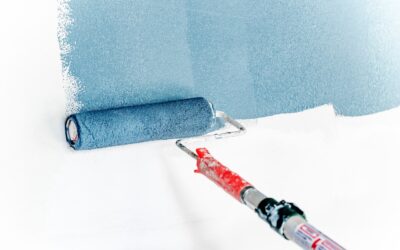
- Cut in edges with a brush, then roll the main area with a roller suited to epoxy.
- Work in manageable sections to maintain a wet edge and avoid lap marks.
- Apply additional coats as directed, respecting the recoat window between layers.
- Add anti-slip additives or decorative flakes during application if desired, especially on floors.
Temperature and humidity matter. Most epoxies have a recommended application temperature range, and applying outside it can ruin the cure. Because the working time is short, having a helper speeds the job and keeps a wet edge across larger floors.
Cure Time and the Final Finish
Epoxy cures in stages. It becomes touch-dry within hours, walkable after about a day, and ready for full traffic or vehicle weight only after a longer cure, often several days to a week depending on the product and temperature. Rushing this is a common mistake; driving on a garage floor before it has fully cured can mark or damage the finish.
Allow the full cure time specified before subjecting the surface to heavy use, and keep the area free of moisture and traffic during that period. Patience here pays off in a harder, more durable finish that will last for years.
Safety Precautions
Working with black epoxy paint involves chemicals that demand respect. The resins and hardeners can release fumes and irritate skin, eyes, and lungs, so safety gear and ventilation are not optional.
- Work in a well-ventilated area, opening doors and windows and using fans to move air.
- Wear chemical-resistant gloves, eye protection, and a respirator rated for the fumes.
- Protect your skin and clothing, since uncured epoxy is difficult to remove.
- Read and follow the safety data sheet and all manufacturer instructions.
- Keep the area off-limits to children and pets during application and curing.
Proper ventilation is especially important indoors, such as in a closed garage or basement, where fumes can build up. If the space cannot be ventilated well, reconsider the timing or the product. Following the manufacturer’s directions for mixing, application, and full cure is the key to both safety and a flawless finish.
Maintenance and Longevity
Once fully cured, a black epoxy surface is easy to maintain. Sweep or dust mop regularly, and clean with a mild detergent and water; the non-porous surface wipes clean of most spills. Avoid harsh abrasives that could dull the gloss, and place mats under areas prone to heavy wear or chemical drips.
A well-applied epoxy floor can last many years before needing a refresh, and minor wear areas can often be recoated. With thorough prep, careful application, full curing, and routine cleaning, black epoxy paint rewards you with a striking, resilient surface that holds up to the toughest spaces in your home.
If you want to extend the life and looks of the finish even further, consider adding a clear topcoat over the colored base. A top clear layer adds depth to the gloss, boosts abrasion and chemical resistance, and gives you a sacrificial surface that can be reapplied without redoing the whole floor. On garage floors especially, this extra layer helps the finish stand up to hot tires and frequent traffic, keeping that deep black surface looking sharp for years.