White vinyl fences dominated suburban yards for decades, but tastes have shifted toward darker, more architectural looks. Black vinyl fencing answers that demand, delivering the crisp, modern silhouette of wrought iron or painted wood with the famously low maintenance of PVC. It frames a yard cleanly, recedes into the landscape better than bright white, and never needs painting.
Before you commit, though, it helps to understand how black vinyl is made, where it excels, and the handful of real-world tradeoffs that come with a dark fence in full sun. This guide covers styles, cost, durability, heat, and installation so you can decide with clear eyes.
What Makes Black Vinyl Different
All vinyl fencing is made from polyvinyl chloride, but color changes the engineering. Earlier dark vinyl fences faded and grew brittle because the pigment absorbed heat and UV broke down the material. Modern black vinyl uses advanced formulations, often acrylic or ASA capstock co-extruded over the PVC core, plus UV inhibitors and titanium dioxide, to hold color and resist degradation far better than older products.
That capstock layer is the key. It is a tough, weather-facing skin bonded to the structural vinyl beneath, similar to the technology used in premium composite decking. When shopping, ask whether the black color runs throughout or is achieved with a quality cap, and what the fade warranty actually promises.
Popular Styles and Configurations
Black reads as upscale across nearly every fence profile, which is part of its appeal:
- Privacy panels: Solid tongue-and-groove boards for full screening. In black they feel dramatic and contemporary rather than stark.
- Semi-private and shadowbox: Alternating or spaced boards that allow airflow and light while still limiting sightlines.
- Picket: Classic spacing with a modern edge; black pickets mimic the look of painted iron at a fraction of the upkeep.
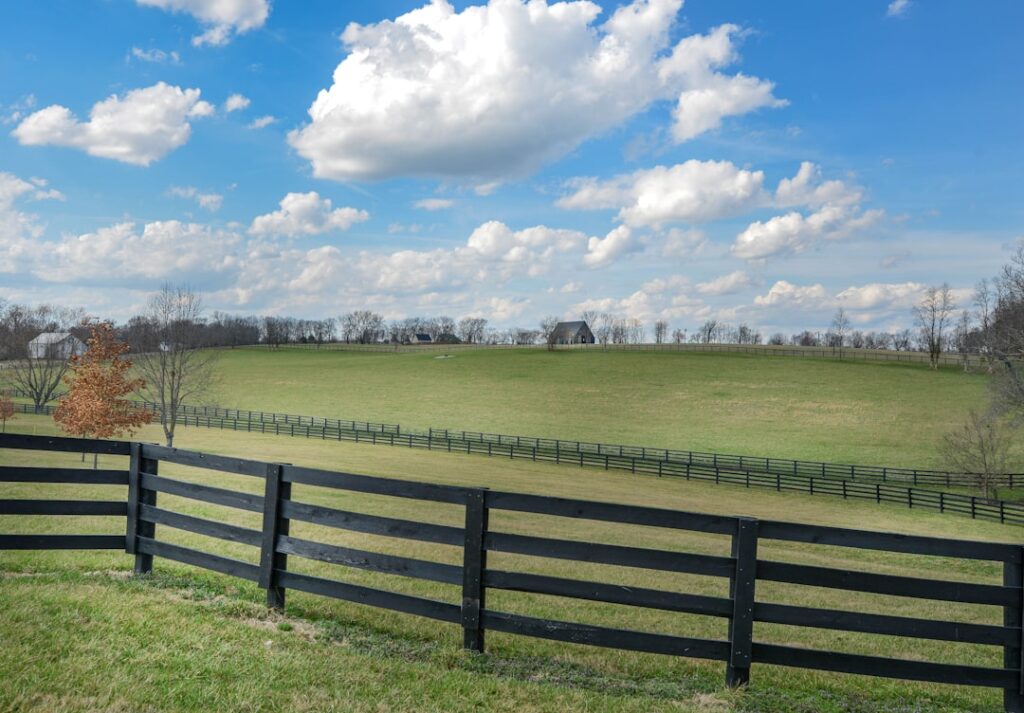
- Ranch rail: Two- or three-rail post-and-rail styles for large properties, paddocks, and decorative front yards.
- Pool fencing: Many black vinyl systems meet code requirements for self-closing, self-latching gates and proper picket spacing.
Black also pairs naturally with aluminum or steel hardware and looks intentional next to dark window frames and modern home exteriors.
The Heat Question
This is the tradeoff buyers most need to understand. Dark colors absorb more solar energy, so a black vinyl fence in direct sun runs hotter than a white one. The surface can become uncomfortably warm to the touch on a hot afternoon, and in extreme, prolonged heat lower-quality vinyl can soften or warp.
Reputable manufacturers address this with heat-resistant formulations and aluminum reinforcement inside rails and posts, which adds rigidity and helps the fence hold its shape. To stay safe, buy from a maker that specifically rates its black product for full-sun installation, follow their guidance, and avoid storing or installing panels where a window’s reflected sunlight could concentrate heat on one spot.
Durability, Fading, and Maintenance
The headline benefit of any vinyl fence is low maintenance, and black is no exception. It will not rot, rust, splinter, or need staining. Cleaning is typically just a hose-down or a sponge with mild soap and water; a soft brush handles stubborn dirt or algae in shaded areas.
Fading is the honest caveat. Even the best dark vinyl will lighten gradually over many years of UV exposure, more noticeably than white, which essentially cannot fade to a lighter shade. Quality capstock products resist this well, and many carry fade-resistance language in their warranty, but expect some mellowing over a 15- to 20-year life. Read the warranty closely so you know what fade level is actually covered.
What Black Vinyl Fencing Costs
Color carries a premium. Where white vinyl might run roughly $20 to $35 per linear foot installed, black and other dark tones often add 15 to 40 percent because of the capstock manufacturing. Expect black privacy fencing to land somewhere around $30 to $55 per linear foot installed, with picket and rail styles costing less and tall, reinforced privacy panels costing more.
Gates, corner and end posts, decorative caps, and difficult terrain all add to the total. While the upfront cost runs higher than wood, vinyl skips the recurring expense of paint, stain, and board replacement, so the lifetime math often favors it.
Installation Considerations
Vinyl fence posts are set in concrete, which makes proper layout and footing depth critical. A few points matter for a lasting, level fence:
- Call 811 before you dig. This free service marks buried gas, electric, water, and communication lines so you avoid a dangerous and expensive strike.
- Set post holes below your local frost line so seasonal heaving does not push the fence out of level.
- Use aluminum-reinforced posts and rails for gates and long spans where wind load and sag are concerns.
- Account for thermal expansion; vinyl moves with temperature, so follow the manufacturer’s spacing and assembly instructions exactly.
Black hides scuffs and dirt differently than white, so handle panels carefully during install to avoid scratches that show on the dark surface. For long runs, sloped yards, or pool-code compliance, hiring an experienced fence contractor is money well spent.
Black Vinyl vs. Other Fence Materials
It helps to see where black vinyl lands against the alternatives. Compared to wood, it skips the staining, sealing, and board replacement that a painted black wood fence demands within just a few years, and it never rots or splinters. Wood is cheaper up front but costs more over its life once you factor in upkeep.
Against aluminum or steel, vinyl offers more privacy options and will never rust, though metal wins for ornamental strength and a true wrought-iron look. Composite fencing competes on durability but usually costs more. For homeowners who want the dark, modern aesthetic with the least ongoing work, vinyl hits a sweet spot, provided you buy a quality capstock product engineered for the color.
Is Black Vinyl Fencing Right for You?
If you want a fence that looks high-end, frames your landscaping crisply, and demands almost no upkeep, black vinyl is a strong choice, especially for modern and traditional homes alike. Just go in knowing the two tradeoffs: it costs more than white and it will run hot and fade slightly faster under intense sun. Buy a quality capstock product rated for full sun, set the posts correctly, and a black vinyl fence will deliver a sharp, maintenance-light boundary for the better part of two decades.