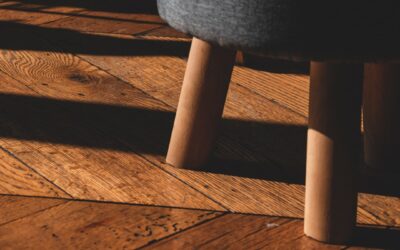
Walk through any high-end model home built since 2018 and the floor is almost certainly some flavor of pale oak. Blond oak flooring hits a sweet spot designers keep returning to: warm enough to feel welcoming, light enough to expand a small room, and durable enough to survive a Labrador and two kids. The trick is choosing the right species, finish, and width, because the wrong combination ages into a yellow mess within five years.
White Oak vs Red Oak: Pick One
White oak (Quercus alba) is the default for the modern blond look. Janka hardness is 1,360, the grain is tight and straight, and the natural tannins stay neutral or shift slightly grey-amber with age. Red oak (Quercus rubra) sits at 1,290 Janka, marginally softer, but its open grain and pink undertones make true blond shades harder to achieve.
If you want the magazine-cover look, specify white oak. If you have an existing red oak floor and want to lighten it, expect bleaching as part of the process and budget another $1 to $2 per square foot in labor.
The Honest Pros
Blond oak reflects 60 to 75 percent more light than walnut or espresso stains, which transforms north-facing rooms. The neutral palette pairs with any kitchen cabinet color, from black-stained shaker to white painted, so you are not locked into the current trend cycle.
Resale data from regional broker associations consistently lists pale oak as a top-three buyer-requested finish in homes over $400,000. The aesthetic does not date the way dark-stained Brazilian cherry did in 2007.
The Cons You Need to Hear
Two failures plague blond oak. First, the finish ambers. Oil-based polyurethane will yellow within 12 months and your floor turns honey rather than blond. Always specify waterborne urethane like Bona Traffic HD, Loba 2K Supra, or Pallmann Magic Oil 2K. Second, sun bleaching creates rug shadows. Move a 9 by 12 rug after 18 months and the protected area will be visibly lighter for a year.
Spills also show more on light floors. Pet urine, red wine, and ketchup will leave visible stains if not addressed within hours, even on a sealed floor.
Cost by Format
Solid 3/4 inch white oak: $5 to $8 per square foot for clean, character grade. Plus $3 to $5 for site sand and finish, $2 to $4 for install. Total: $10 to $17 installed.
Engineered with a 4 to 6 mm wear layer: $5 to $11 for the plank, $2 to $4 install. The smart pick over concrete slabs or radiant heat.
European-style wide plank engineered from Kährs, Hakwood, or Stuga: $9 to $18 per square foot for the plank, with 7 to 10 inch widths and 6 to 8 foot lengths. These are the floors that drive Instagram likes.
Brand Spotlight: Stuga and Hakwood
For the true pale-Scandi look, Stuga Studio out of New Jersey ships pre-finished European white oak with hardwax oil finishes that arrive ready to install. Their Misty plank, 7 1/2 inches wide and 7 feet long, runs about $11 per square foot. Hakwood, a Dutch mill, sells higher-end blond options through US distributors at $14 to $18 per square foot. Both lines use UV-cured hardwax oil rather than urethane, which avoids the ambering problem entirely. Expect 6 to 12 week lead times on custom widths.
Finish Choices That Make or Break It
Waterborne polyurethane is the workhorse finish for site-sanded blond floors. Bona Traffic HD costs about $130 per gallon and covers 500 square feet per coat. Apply three coats over a Bona NaturalSeal or Loba EasyPrime base coat to lock the pale look in.
Hardwax oil from Rubio Monocoat or Osmo Polyx-Oil gives a raw, near-untreated appearance and is easier to spot-repair than urethane. Recoat every 2 to 4 years in high-traffic zones.
Avoid oil-based poly entirely on blond oak. The amber shift is permanent and dramatic.
Installation Notes
Acclimate planks 5 to 7 days on site with HVAC running and indoor RH between 35 and 55 percent. Solid white oak nails down over 3/4 inch plywood with 16-gauge cleats every 6 to 8 inches. Engineered can float, glue, or staple depending on the manufacturer.
For concrete slab installs, test moisture with ASTM F1869 calcium chloride at under 3 lb/1,000 sq ft/24 hr or ASTM F2170 in-situ RH under 75 percent. Glue with a moisture-mitigating urethane adhesive like Bostik GreenForce or Mapei Ultrabond ECO 980 for added protection.
Width and Pattern Matters
Narrow 2 1/4 inch strip oak looks dated in 2026. The current language is wide plank: 5, 6, 7, or even 9 inches. Wider boards read modern, expand a room visually, and reduce the visual noise of seams. Herringbone and chevron patterns in 4 to 6 inch widths command attention but cost 30 to 50 percent more in install labor due to the cut complexity.
Maintenance Reality
Sweep daily, damp mop weekly with Bona Hardwood Floor Cleaner. Felt pads on every chair leg, area rugs in entry zones, and shoes off at the door if you can swing it. Recoat the topcoat every 6 to 10 years; full sand and refinish runs on a 20 to 30 year cycle.
Design Pairings That Work
Blond oak is famously flexible. It plays well with white cabinets, black-stained shaker doors, sage green islands, and natural walnut furniture. Wall colors from warm whites to muted earth tones to deep navy all coexist comfortably with the pale wood. Brass, aged bronze, and matte black hardware all hold up against the floor without competing.
The one combination to avoid is high-yellow walls and warm cream millwork on blond oak with any ambering finish. The cumulative warmth reads dated and saccharine. Cool to neutral wall colors balance the slight golden undertones of even waterborne-finished oak.
Bottom Line
Blond oak flooring is the safest bet in design-conscious 2026 builds, but only when paired with white oak, a waterborne or hardwax finish, and wide plank dimensions. Cut corners on any of the three and the floor will look dated by year five. Get them right and it will read fresh for decades.
Prefer to explore on your own?
See how new flooring looks in your actual room in seconds — free, no signup.
Try the free Floor Studio →