Rated at 2,350 on the Janka hardness scale, Brazilian cherry wood flooring is nearly twice as hard as red oak and shrugs off the dents that plague softer floors under heavy furniture and pet traffic. That legendary toughness, paired with a rich reddish-brown color that deepens dramatically over time, has made this exotic species, botanically known as jatoba, a favorite for homeowners who want a floor with genuine drama and staying power. It isn’t for everyone, though, and the color-shift alone catches many buyers off guard.
This guide covers what to expect from jatoba, where it shines, the drawbacks that surprise people, and what you’ll pay per square foot.
What Is Brazilian Cherry (Jatoba)
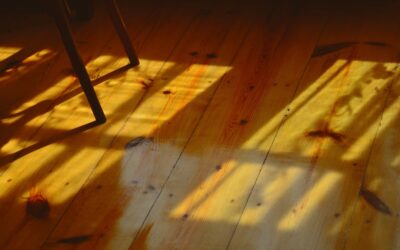
Despite the name, Brazilian cherry isn’t related to true cherry trees. Jatoba is a dense tropical hardwood harvested from Central and South America, prized for its interlocking grain and warm salmon-to-burgundy tones. Freshly installed, it often starts fairly light, sometimes almost orange, then oxidizes to a deep, coppery red over the first several months of light exposure.
You’ll find it as both solid hardwood, typically 3/4 inch thick and nailed down, and engineered planks with a jatoba veneer over a plywood core. Engineered versions handle basements and concrete slabs better, while solid boards can be sanded and refinished multiple times across their long life.
Pros of Brazilian Cherry Flooring
Durability leads the list, but the appeal runs deeper than just hardness:
- Exceptional hardness: At 2,350 Janka, it resists dents, scratches, and wear far better than oak, maple, or hickory.
- Striking color: The deep reddish tones and flowing grain give rooms a warm, luxurious character few domestic woods match.
- Longevity: Solid jatoba can last 50 to 100 years and be refinished several times.
- Resale appeal: Genuine exotic hardwood adds real value and buyer interest in mid- to high-end homes.
- Stability: Jatoba is relatively dimensionally stable for a dense species when properly acclimated.
For a formal living room, dining room, or entry where you want a showpiece floor built to outlast the mortgage, few materials deliver like Brazilian cherry.
Cons You Should Weigh
The dramatic color change is the number one complaint, and not because it’s ugly. It’s because it’s uneven if you’re not careful. Area rugs and furniture block light, so the wood beneath them stays lighter while exposed areas darken. Move a rug after a year and you’ll see a ghost. Rotating rugs periodically during the first months evens things out.
Cost is the other big factor; jatoba sits at the premium end of the hardwood market. The same interlocking grain that makes it durable also makes it harder to sand and refinish, so DIY refinishing is tough and pro rates run higher. Sustainability is a fair concern too, so look for FSC-certified sources. And like all real wood, it can scratch, and it’s sensitive to humidity swings that cause gapping in dry winters or cupping in humid summers.
How Much Does It Cost
Brazilian cherry commands premium pricing that reflects its exotic status and hardness:
- Engineered jatoba: $4 to $8 per sq ft for material.
- Solid jatoba: $5 to $10 per sq ft for material.
- Installation: $3 to $8 per sq ft depending on method and subfloor.
Installed, most projects land between $8 and $16 per square foot. A 300 sq ft room can therefore run $2,400 to $4,800. Nail-down solid installation costs more than a floating engineered floor, and dense jatoba dulls saw blades and nailer parts faster, which some installers pass along.
Installation Considerations
Acclimation is critical with any exotic hardwood. Let the boxes sit in the installation space for 5 to 14 days so the wood reaches equilibrium with your home’s humidity; skipping this step is the fastest route to gaps and cupping later. Solid jatoba is nailed or stapled to a plywood subfloor, while engineered planks can be nailed, glued, or floated over an approved underlayment.
Because the wood is so dense, installers often pre-drill for nails near board ends to prevent splitting and burn through more saw blades than a domestic species would. This is not a beginner-friendly install; the hardness that makes jatoba durable also makes it unforgiving to cut and fasten. Many homeowners hire out solid installations and reserve DIY for click-together engineered lines.
Caring for Brazilian Cherry Floors
Maintenance is straightforward once the floor is down. Sweep or vacuum regularly to keep grit from scratching the finish, and damp-mop with a cleaner made for hardwood rather than water and vinegar, which can dull the surface over time. Wipe spills quickly, since standing water is the enemy of any wood floor.
Manage the color evolution deliberately in the first year by rotating rugs and moving furniture occasionally so the whole floor darkens evenly. Use felt pads under furniture legs and keep indoor humidity between 35 and 55 percent to minimize seasonal movement. When the finish eventually wears, a professional screen-and-recoat refreshes it without a full sanding, extending the life of one of the toughest floors money can buy.
Brazilian Cherry vs. Other Exotic Hardwoods
Jatoba isn’t the only exotic on the shelf, and cross-shopping helps you match hardness, color, and budget. Each species trades off differently between price, tone, and how much it moves with the seasons.
- Brazilian cherry (jatoba): 2,350 Janka, deep red that darkens over time, $5 to $10 per sq ft solid. Best all-around exotic for durability plus warmth.
- Brazilian walnut (ipe): Around 3,680 Janka, chocolate brown, $6 to $12 per sq ft. Harder and darker, but even tougher to cut and refinish.
- Tigerwood: Roughly 1,850 Janka, dramatic orange-brown streaking, $5 to $9 per sq ft. Bold look, slightly softer.
- Santos mahogany: About 2,200 Janka, reddish-brown, $5 to $10 per sq ft. Similar hardness with less color shift than jatoba.
If the drastic darkening of jatoba worries you, Santos mahogany holds its tone far better. Want maximum hardness for a mudroom or a home with large dogs? Ipe outlasts everything, though your installer will charge extra for the blade wear.
Finish Options and Sheen Levels
How jatoba looks and wears depends heavily on the finish. Prefinished boards arrive with an aluminum-oxide topcoat that’s extremely scratch resistant and carries a 25-year-plus warranty, while site-finished floors let you control stain and sheen but need days of dry time. Consider your options:
- Oil-based polyurethane: Ambers over time, which can deepen jatoba’s red tones nicely. Two to three coats, 24 hours between each, cured in about a week.
- Water-based polyurethane: Dries clear and fast, keeps the wood’s natural color truer, low odor. Plan on three coats in a single day.
- Satin or matte sheen: Hides micro-scratches and dust far better than gloss on a busy floor. Most homeowners regret high-gloss on dense exotics within a year.
Skip staining jatoba in most cases. The wood’s natural color is the whole point, and its tight grain resists stain penetration, often leaving a blotchy result. Let it oxidize and enjoy the color it develops on its own.
Frequently Asked Questions
Does Brazilian cherry work with radiant heat? Solid jatoba is risky over radiant floors because dense exotics move with temperature swings. Engineered jatoba rated for radiant is the safer choice; confirm the manufacturer approves it and keep the system’s surface temperature under 80 degrees F.
How long until the color fully darkens? Most of the shift happens in the first 3 to 6 months of light exposure, with subtler deepening over the first year. UV drives it, so a sunny room transforms faster than a shaded hallway.
Can I refinish it myself? You can, but jatoba’s interlocking grain fights the sander and dulls belts quickly. Rent a quality drum sander, work through the grits patiently, and expect it to take longer than an oak floor of the same size.
Prefer to explore on your own?
See how new flooring looks in your actual room in seconds — free, no signup.
Try the free Floor Studio →