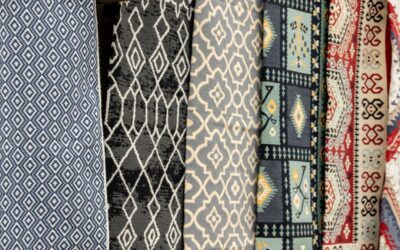
If you trailer a boat, the bunk boards that cradle the hull do a quiet but critical job, and the carpet wrapped around them is what stands between your fiberglass and a scratched-up mess. Bunk board carpet is a specialized marine-grade material designed to cushion the hull, let the boat slide on and off easily, and survive constant soaking, sun, and friction.
Replacing worn bunk board carpet is one of the most rewarding small boat-maintenance jobs you can do. This guide explains what the material is, why it matters, and how to choose and install it correctly so your hull stays protected.
What Bunk Board Carpet Does
Trailer bunks are the long boards that run beneath the boat and support its weight when it sits on the trailer. Bare wood would chew into the hull, so the boards are wrapped in a tough, padded carpet. That carpet cushions the fiberglass, prevents pressure points, and provides a slick surface that helps the boat slide off during launch and self-center during loading.
Without good carpet, you risk gelcoat scratches, hull abrasion, and a boat that fights you at the ramp. The right material protects an expensive hull and makes launching and retrieving smoother and safer.
Why You Need Marine-Grade Material
Regular household carpet has no business on a boat trailer. It absorbs water, holds moisture against the wood, rots quickly, and breaks down in sunlight. Marine bunk carpet is engineered for an environment that would destroy interior carpet within a season.
Marine-grade material offers several specific properties:
- UV resistance: Resists fading and breakdown from constant sun exposure
- Rot and mildew resistance: Made from synthetic fibers like polypropylene that do not rot
- Water shedding: Drains and dries rather than holding water against the board
- Abrasion resistance: Withstands the repeated sliding of a heavy hull
Choosing the Right Carpet
Most bunk carpet is sold by the roll or by the foot in widths sized to wrap common board dimensions, often 11 to 18 inches wide to fit a standard 2×4, 2×6, or 2×8 bunk. Measure your boards and add enough width to wrap around the sides and staple underneath.
Pile thickness affects both cushioning and slickness. A thicker, denser pile offers more protection but slightly more grip, while a marine-specific pile is designed to stay slippery enough for easy launching. Color is mostly preference, though darker shades hide grime better. Whatever you choose, confirm it is sold specifically as marine or trailer bunk carpet, not generic outdoor carpet.
What You Need to Replace It
Gather your materials before you start. You will typically need:
- Enough marine bunk carpet to wrap each board with overlap underneath
- Stainless steel or Monel staples, which resist corrosion far better than standard steel
- A heavy-duty staple gun rated for the staple size
- A utility knife and a straightedge for trimming
- Marine-grade adhesive if you want extra hold under the wrap
Stainless or Monel fasteners are worth the small extra cost. Ordinary staples rust fast in a wet environment and can stain the hull or fail when you least expect it.
How to Install Bunk Board Carpet
- Remove the old carpet and pull out every leftover staple from the boards.
- Inspect the wood for rot or soft spots and replace any damaged boards before re-carpeting.
- Cut the new carpet to length, leaving a few extra inches at each end.
- Center a board on the carpet and, working from one end, pull the carpet snug over the top.
- Fold the carpet around the sides and staple it to the underside of the board every few inches, keeping tension even.
- Fold and staple the ends like wrapping a package, trimming excess for a clean finish.
- Reinstall the finished bunks on the trailer and confirm they support the hull evenly.
Keep the carpet taut as you staple so there are no loose folds for the hull to catch on. A smooth, tight wrap slides better and lasts longer.
Bunk Carpet Versus Slick Bunks and Glides
Carpet is the traditional choice, but it is not the only one. Some boaters switch to plastic bunk slides or glide strips, slick polymer covers that snap or screw over the bunk boards and let the hull slide with very little friction. Each approach has trade-offs worth knowing.
Carpet cushions the hull more and grips it slightly, which helps the boat stay centered while trailering but can make launching a touch stickier, especially when dry. Slick glides make solo launching and loading easier because the hull slides freely, but they offer less cushioning and the boat can shift more in transit. Many trailers use carpeted bunks because the gentle grip and padding suit most recreational boats. If you launch alone often or struggle to power-load, slick bunks may be worth considering.
Tips for a Longer-Lasting Wrap
A few habits stretch the life of your bunk carpet and the boards beneath it. Pull the carpet snug during installation so there are no loose folds for the hull to catch and tear. Use stainless or Monel staples and consider a marine adhesive under the wrap for extra hold in high-wear spots.
Position the staples on the underside and sides of the board, never on the top contact surface where the hull rides, so no fastener ever touches the gelcoat. After saltwater trips, a fresh-water rinse washes away salt that would otherwise grind into the fibers and corrode the staples. Storing the trailer out of direct sun, or under a cover, slows UV breakdown of even UV-resistant carpet.
Maintenance and Replacement Signs
Rinse the carpet with fresh water after launching in salt water to wash away salt that accelerates wear on both the carpet and staples. Periodically check for worn-through spots, exposed staples, and any board that feels soft or spongy, which signals rot underneath.
Replace the carpet when you see bare boards, thinning pile over the contact areas, or rusty staples poking through. Catching wear early prevents an exposed staple or board edge from gouging your hull at the ramp.
Cost and Final Thoughts
Bunk carpet is inexpensive insurance for an expensive boat. Carpet typically runs about $3 to $8 per foot depending on width and quality, and a full set of marine staples adds only a few more dollars. Most trailer bunk recarpeting jobs cost well under $100 in materials and take an afternoon.
Given how much a hull repair costs, fresh bunk board carpet is one of the best-value upkeep tasks a boat owner can tackle. Choose true marine-grade material, fasten it with corrosion-resistant staples, and your boat will load, launch, and ride down the road with the protection it deserves.