Bamboo has earned a loyal following as an eco-friendly alternative to traditional hardwood, but quality varies enormously and the wrong purchase can disappoint fast. If you are ready to buy bamboo flooring, the most important decision is which type you choose, because strand-woven bamboo performs in a completely different league than cheaper vertical or horizontal products. This guide walks you through the bamboo types, what they cost, how durable they really are, the pitfalls to dodge, and exactly what to check before you hand over your money.
What Bamboo Flooring Is
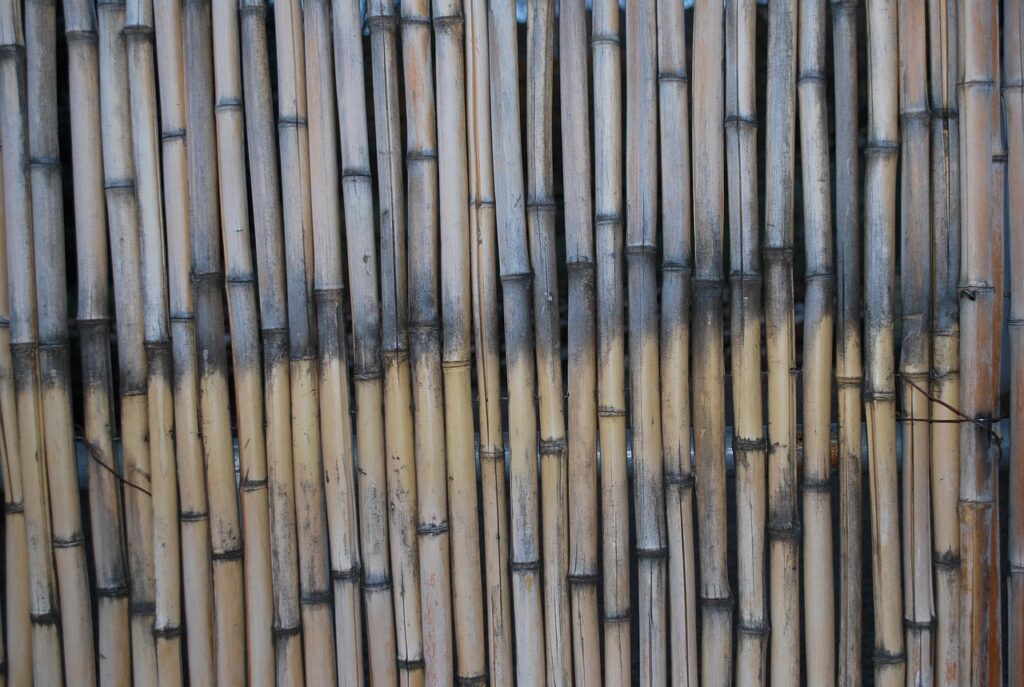
Bamboo is technically a grass, not a tree, and it matures in three to five years compared to the decades hardwoods need. That rapid growth is the source of its green reputation. To make flooring, manufacturers slice, shred, or compress bamboo stalks and bind them with adhesive into planks. The manufacturing method, not the bamboo itself, determines how hard and durable the finished floor will be, which is why understanding the types is essential before you shop.
The Three Main Types
Knowing these categories is the single most useful thing you can do before buying.
Strand-Woven Bamboo
This is the premium choice and the one most buyers should target. Shredded bamboo fibers are compressed under intense heat and pressure, producing a floor far harder than oak, often rating well above 3,000 on the Janka hardness scale. It resists dents and scratches, making it the best option for busy homes. Expect roughly $4 to $8 per square foot for material.
Horizontal and Vertical Bamboo
These are made by gluing flat strips together either lying down (horizontal, showing the classic knuckle pattern) or on edge (vertical, a more uniform look). They are softer than strand-woven and dent more easily, though they cost less, often $2 to $5 per square foot. Choose these only for lower-traffic rooms.
Engineered Bamboo
A thin bamboo wear layer over a plywood or composite core. It offers better stability over concrete and in fluctuating climates and often installs as a floating click-lock floor.
Pros of Bamboo Flooring
Bamboo offers a compelling mix of style, sustainability, and, in its best form, real toughness.
- Sustainability: Rapidly renewable resource that regrows in a few years.
- Hardness (strand-woven): Among the hardest flooring materials available, beating most hardwoods.
- Appearance: Warm, contemporary wood-like look that suits modern interiors.
- Value: Often less expensive than comparable hardwood.
- Refinishability: Solid bamboo can typically be sanded and refinished, extending its life.
Cons and Pitfalls
Bamboo’s reputation suffers because so much low-quality product is sold. Know the downsides before you buy.
- Moisture sensitivity: Bamboo absorbs water and can warp or swell; it is not for bathrooms or wet basements.
- Quality inconsistency: Cheap imports can use weak adhesives and off-gas more, and may dent or fade quickly.
- Humidity movement: Like wood, it expands and contracts, so acclimation and gapping are critical.
- VOC concerns: Some products use formaldehyde-based adhesives; verify low-emission certification.
- Scratch visibility: Softer horizontal and vertical types show wear; finishes vary in durability.
What to Check Before You Buy
A careful buyer can avoid almost every bamboo horror story by verifying a few specifics.
- Type: Confirm it is strand-woven if you want maximum durability.
- Hardness rating: Ask for the Janka number; higher means more dent resistance.
- VOC certification: Look for low-emission certifications and ask about the adhesive used.
- Finish and warranty: A longer finish warranty signals confidence in wear resistance.
- Samples: Take samples home, test scratch resistance, and view the color in your own light.
Installation Considerations
How you install bamboo affects both performance and warranty. Solid bamboo is usually nailed or glued down over a wood subfloor, while engineered click-lock planks float over a variety of subfloors. In every case, let the material acclimate in the room for the manufacturer’s recommended period, often several days, so it adjusts to the home’s humidity before installation. Leave proper expansion gaps at the walls. Over concrete, confirm the slab’s moisture level and use the recommended moisture barrier, since trapped moisture is the leading cause of bamboo failure.
Cost and Where to Buy
Material costs generally run $2 to $8 per square foot depending on type and quality, with strand-woven at the higher end, and professional installation adds another $2 to $5 per square foot. Buy from established retailers or flooring specialists who can document the product type, hardness, and certifications. Be wary of unbranded bargain bulk deals where you cannot verify quality. Always request samples and get itemized quotes that separate material, labor, and subfloor prep so you know exactly what you are paying for.
Caring for Bamboo Floors
Bamboo holds up well when maintained correctly and suffers when treated carelessly. Sweep or dust mop regularly to remove grit that scratches the finish, and clean spills promptly since standing water is bamboo’s enemy. Use only a slightly damp mop with a cleaner formulated for bamboo or hardwood; avoid wet mopping, steam cleaners, and harsh chemicals that can dull or warp the surface. Felt pads under furniture legs and area rugs in high-traffic paths protect the finish. Keeping indoor humidity in a stable, moderate range year-round minimizes the expansion and contraction that causes gaps or cupping.
Bamboo vs. Hardwood and Engineered Wood
It helps to weigh bamboo against the alternatives it competes with. Compared to traditional solid hardwood, strand-woven bamboo is often harder and more sustainable, though quality varies more widely and resale recognition lags behind familiar species like oak. Against engineered hardwood, engineered bamboo offers similar stability and floating-floor convenience, but real wood may carry stronger buyer appeal. The honest takeaway is that a high-quality strand-woven bamboo floor competes well on hardness and value, while a cheap bamboo product underperforms even basic laminate. The material’s reputation depends almost entirely on which tier you buy.
The Bottom Line
When you set out to buy bamboo flooring, the type matters more than anything else: strand-woven bamboo delivers exceptional hardness and value, while cheaper horizontal and vertical products dent and disappoint in busy homes. Verify the hardness rating, demand low-VOC certification, take samples home, and respect acclimation and moisture rules during installation. Keep it out of wet rooms and buy from a source that can document quality. Choose well and a quality bamboo floor gives you a sustainable, striking surface that holds up for many years.
Prefer to explore on your own?
See how new flooring looks in your actual room in seconds — free, no signup.
Try the free Floor Studio →